
Record rainfall, floods and outages hit Chiba, leaving at least 8 dead, Japan
Eight people were confirmed dead after record rainfall caused widespread flooding across Chiba Prefecture, Japan, on August 13 and 14, 2026, according to prefectural and municipal authorities. At 06:00 LT on August 14, 7 359 people were sheltering at 359 sites in 39 municipalities, while emergency and evacuation measures remained in force.
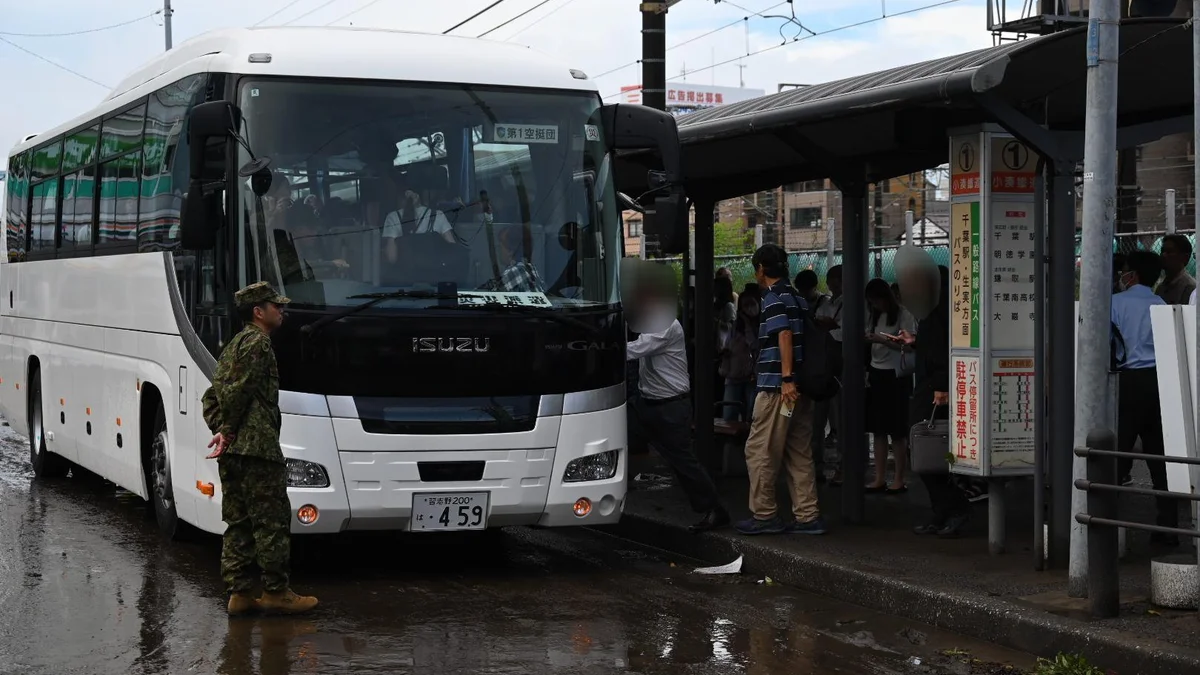
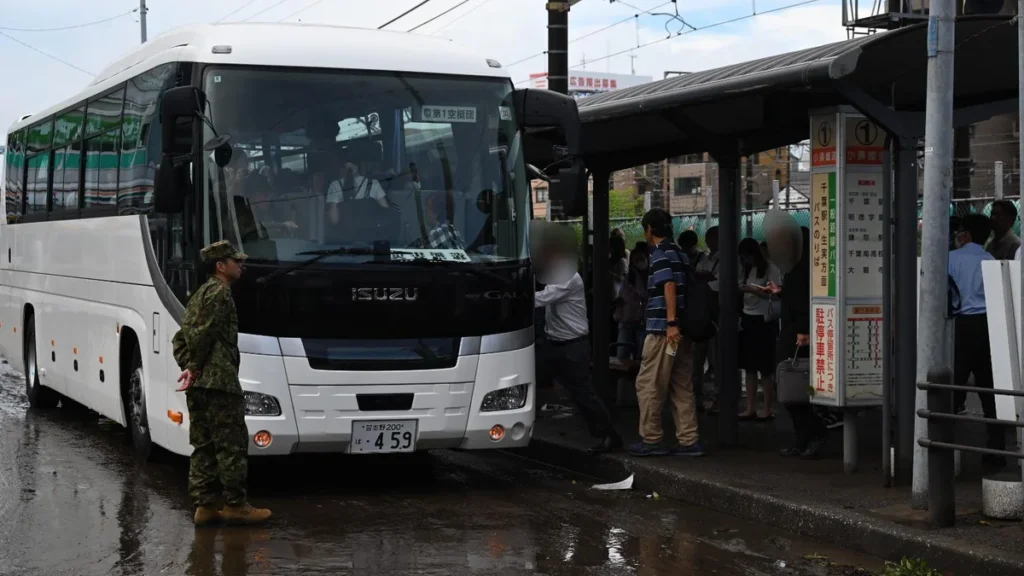
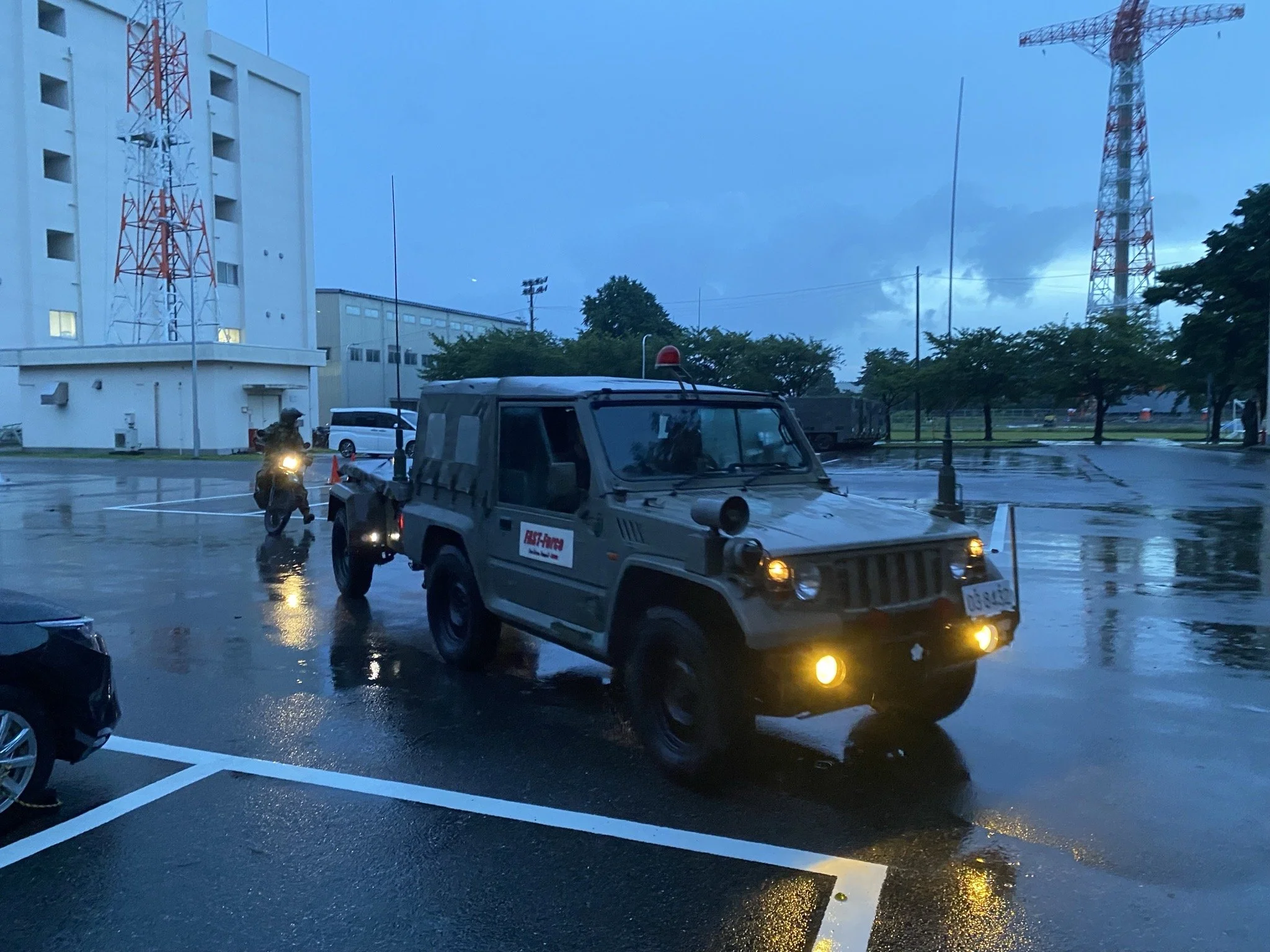
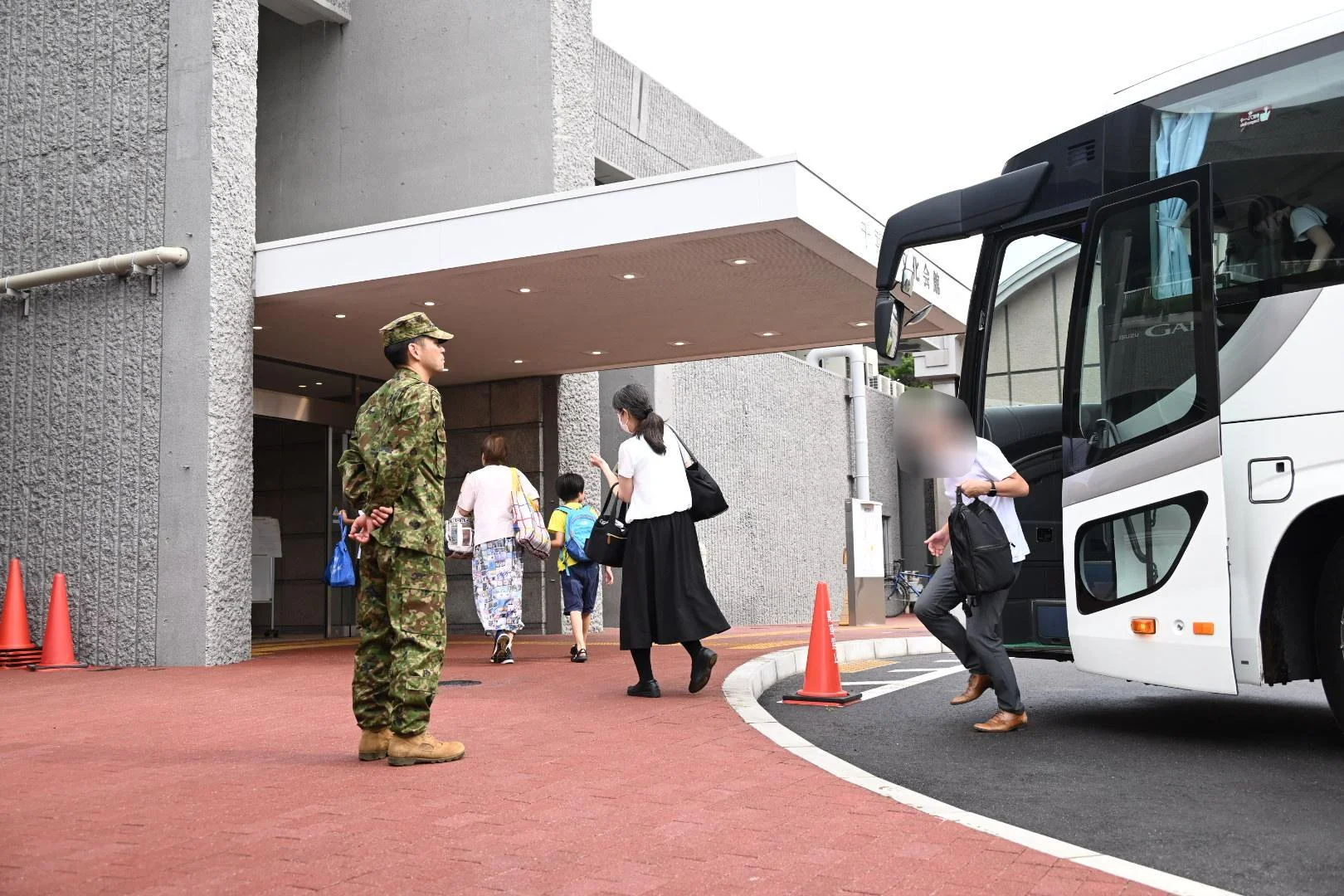
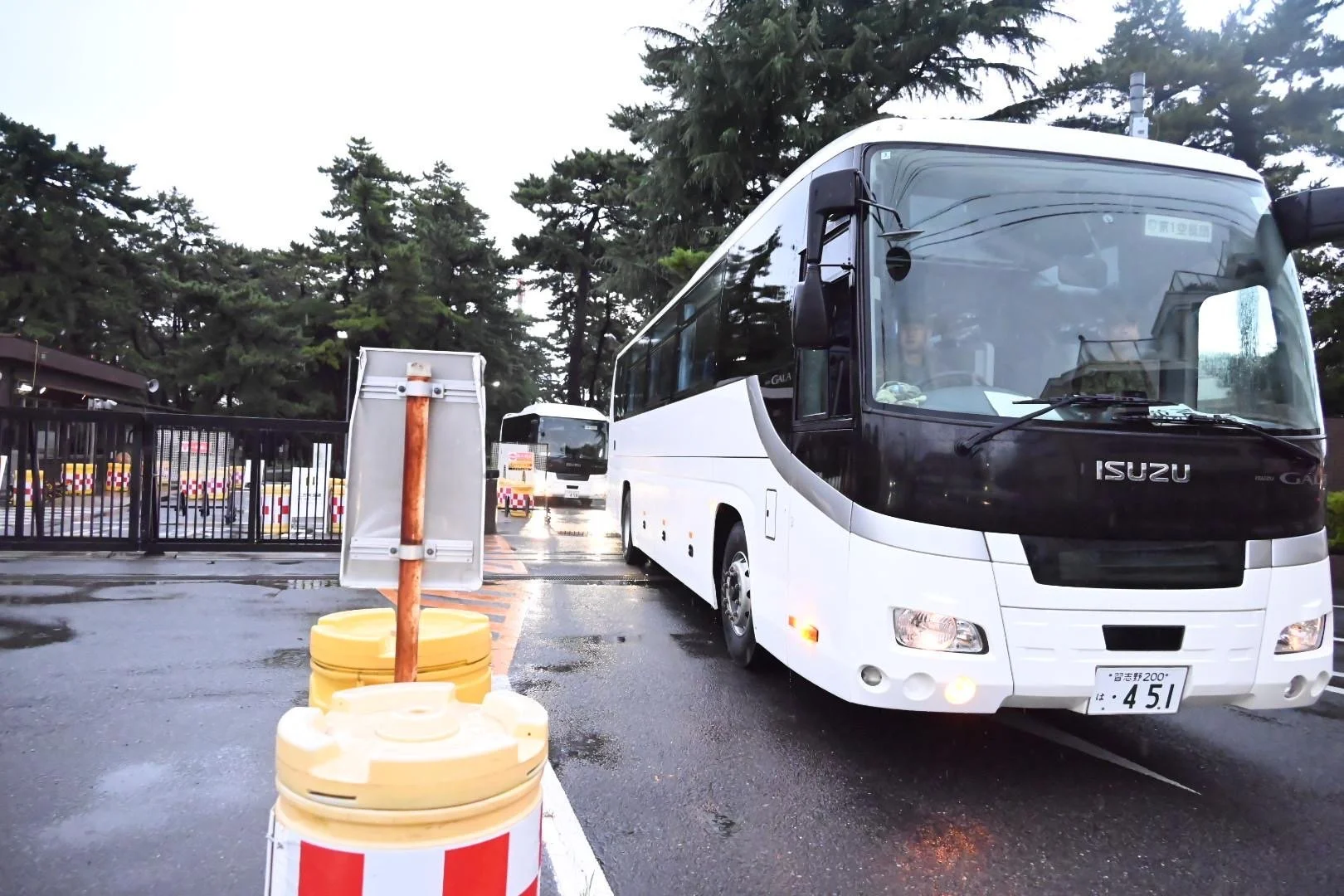
Japan Ground Self-Defense Force personnel and vehicles deployed in Chiba Prefecture on August 14, 2026, during disaster-relief operations. Credit: Japan Ministry of Defense / Joint Staff
The deaths were reported in Chiba City, Ichikawa, Kashiwa, Sakura and Yachiyo. Three were reported in Chiba City, two in Sakura, and one each in Ichikawa, Kashiwa and Yachiyo. Several of the deaths involved flooded roads or vehicles caught in rapidly rising water.
The Japan Meteorological Agency (JMA) recorded 351 mm (13.82 inches) of rain at Chiba station on August 13, the highest daily total in a record beginning in 1966 and well above the previous record of 259.5 mm (10.22 inches) set in 1996. The station also recorded 115 mm (4.53 inches) in one hour, breaking the previous record of 71 mm (2.80 inches). JMA formally named the event the “August 2026 Chiba Heavy Rain” on August 14.
The Fire and Disaster Management Agency’s 17:00 LT situation report listed 85 affected homes, including one classified as half-destroyed, 45 with above-floor inundation and 39 with below-floor inundation. At the same reporting time, Level 5 Emergency Safety Measures covered 2 384 people in 1 171 households, while Level 4 evacuation orders covered 36 063 people in 17 304 households across three municipalities.
 Japan Ground Self-Defense Force personnel and vehicles deployed in Chiba Prefecture on August 14, 2026, during disaster-relief operations. Credit: Japan Ministry of Defense / Joint Staff
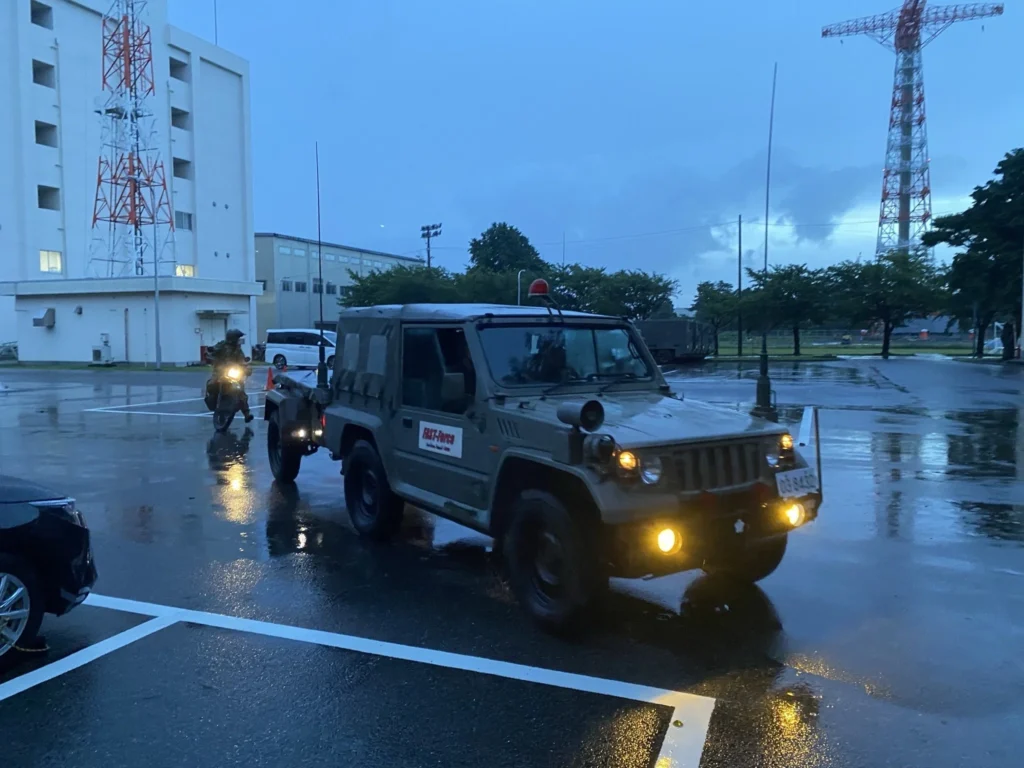
- Japan Ground Self-Defense Force personnel and vehicles deployed in Chiba Prefecture on August 14, 2026, during disaster-relief operations. Credit: Japan Ministry of Defense / Joint Staff
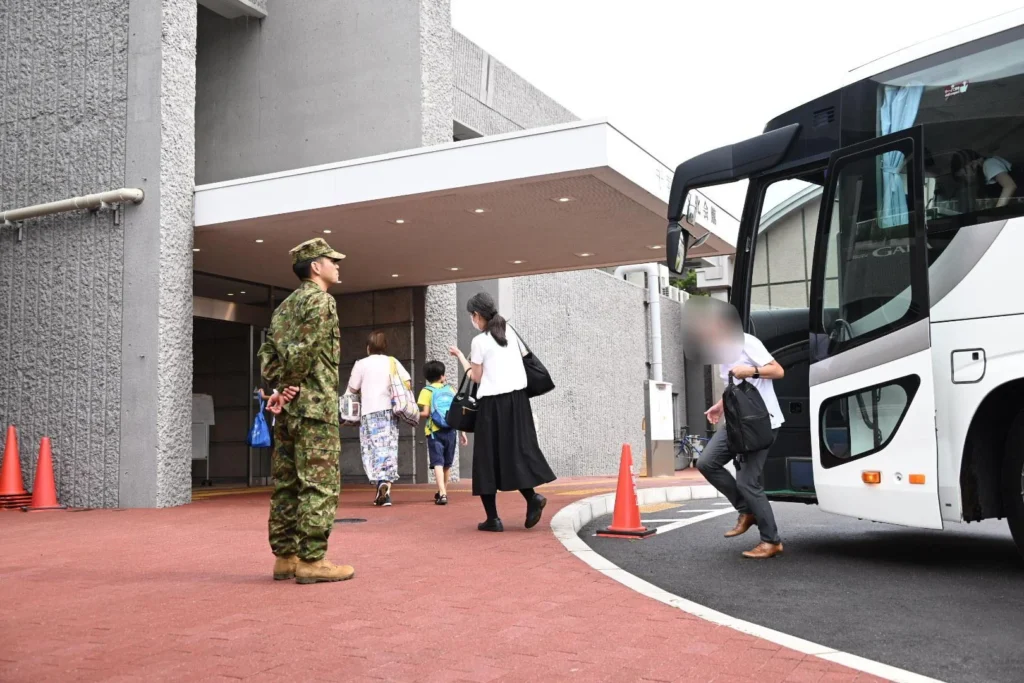
- Japan Ground Self-Defense Force personnel and vehicles deployed in Chiba Prefecture on August 14, 2026, during disaster-relief operations. Credit: Japan Ministry of Defense / Joint Staff
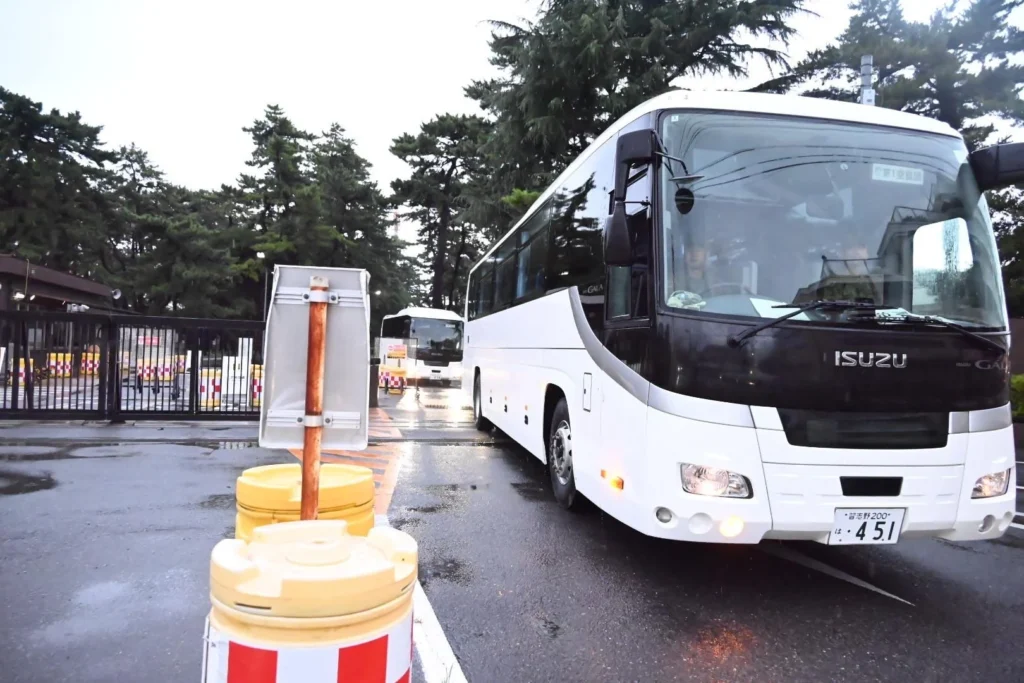
- Japan Ground Self-Defense Force personnel and vehicles deployed in Chiba Prefecture on August 14, 2026, during disaster-relief operations. Credit: Japan Ministry of Defense / Joint Staff
Evacuation measures were progressively lifted during the afternoon as the immediate rainfall threat eased. The prefectural disaster portal showed Inzai lifting its measure at 17:10 LT, Ichihara at 16:48 LT and Oamishirasato at 15:35 LT, while a Level 4 evacuation order issued by Chiba City remained displayed.
Flooding affected rivers as well as urban drainage systems. The prefectural disaster headquarters recorded Level 4 flood-danger information on eight rivers and Level 5 flood-occurrence information for the Murata River, where flooding was confirmed by monitoring cameras. Road closures caused by inundation and landslides were recorded across the prefecture.
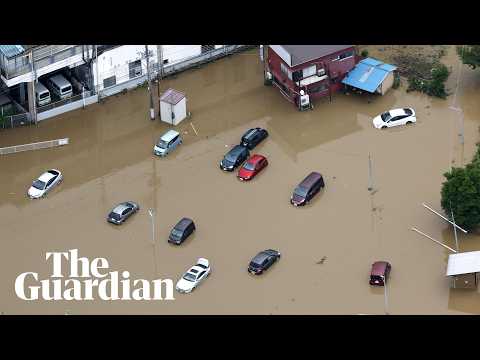
Large areas of Oamishirasato remained inundated during the afternoon on August 14. At 16:25 LT, water in deeper areas remained around knee height as levels gradually receded, with homes and vehicles surrounded by floodwater. Eight landslides had been identified in the city.
Tokyo Electric Power Grid said flooding submerged the Soga substation and distribution-line failures in several other areas were prolonging outages, mainly in Chiba City. Generator vehicles and restoration equipment were brought in from surrounding areas. About 19 600 premises remained without electricity during the afternoon as inspections and restoration work continued.
Gas supplies were temporarily interrupted to nearly 13 000 households in parts of the affected area, while power and transport problems also affected medical services. The Ministry of Health, Labor and Welfare reported flood or power-related damage at 24 medical institutions in Chiba Prefecture by 10:00 LT, concentrated in areas including Chiba City, Kashiwa and Yachiyo.
Transport disruption left large numbers of passengers and commuters stranded overnight. At a 22:30 LT coordination meeting on August 13, about 6 000 people remained inside Narita International Airport, where water, food and sleeping bags were distributed. At 02:15 LT on August 14, 17 temporary-stay facilities elsewhere in the prefecture were accommodating 3 877 people unable to return home.

JR East’s 16:00 LT operational assessment said the Sobu Main Line, Narita Line and Keiyo Line were expected to resume across all sections on August 14. The Narita Express, parts of the Uchibo and Sotobo lines, the Togane Line and the entire Kururi Line were to remain suspended for the day. The Ken-O Expressway remained closed between Mobara-Chonan and Matsuo-Yokoshiba because of a landslide, while the Chiba-Togane Road and Choshi Renraku Road remained fully closed.
The heavy rain also affected postal and commercial operations. Fifty-eight post offices in Chiba Prefecture had suspended counter services as of 10:00 LT, with collection and delivery operations halted in some areas. Flooding, road closures and prolonged power failures also disrupted deliveries and forced temporary closures at some convenience stores and supermarkets.
Ground across the disaster area remained heavily saturated during the afternoon. At 14:36 LT, the prefectural disaster portal warned that even limited additional rainfall could trigger landslides and urged residents to avoid unnecessary travel and flooded roads.
References:
1 Damage and response status due to the August 2026 Chiba Heavy Rain, Report No. 8 – Fire and Disaster Management Agency – August 14, 2026, 17:00 LT
2 Naming of the heavy rainfall in Chiba Prefecture beginning August 13, 2026 – Japan Meteorological Agency – August 14, 2026
3 Chiba Prefecture disaster information portal – Chiba Prefecture – August 14, 2026

I’m a science journalist and researcher at The Watchers, contributing to the Epicenter edition, where I cover peer-reviewed scientific research and emerging discoveries across Earth and space sciences. With a background in astronomy and a passion for environmental science, I’ve worked in shark and coral conservation in Fiji, conducting reef and shark-behavior research, contributing to mangrove restoration, and earning PADI Open Water and Coral Reef Certifications. I bring a blend of scientific rigor and storytelling to illuminate the discoveries shaping our planet and beyond.
Published in the last 24 hours
- The Leonid meteor shower peaks on the night of November 17, exactly 60 years after the 1966 storm, when some observers reported meteors falling at up to 40 a second, though this year’s show should be closer to 15 an hour
- When Arctic air reached South Florida in January 2020, Miami fell to 40°F and the National Weather Service warned residents to watch for cold-stunned iguanas dropping out of the trees Epicenter
- In May 2024, the strongest solar storm in 20 years put northern lights over the southern US, and across the Plains, GPS-guided tractors built to plant within an inch drifted about 10 feet off their rows Epicenter
- In 1943, a flight instructor in Texas flew a two-seat training plane into the eye of a hurricane because he was curious, then landed and took the base weatherman up for a second pass Epicenter
