
Floods kill one in Cleburne County, Alabama
Deadly floods struck Cleburne County, Alabama at around 04:44 local time on Sunday, August 3, 2025, claiming at least one life and prompting multiple rescues as floodwaters washed away vehicles.
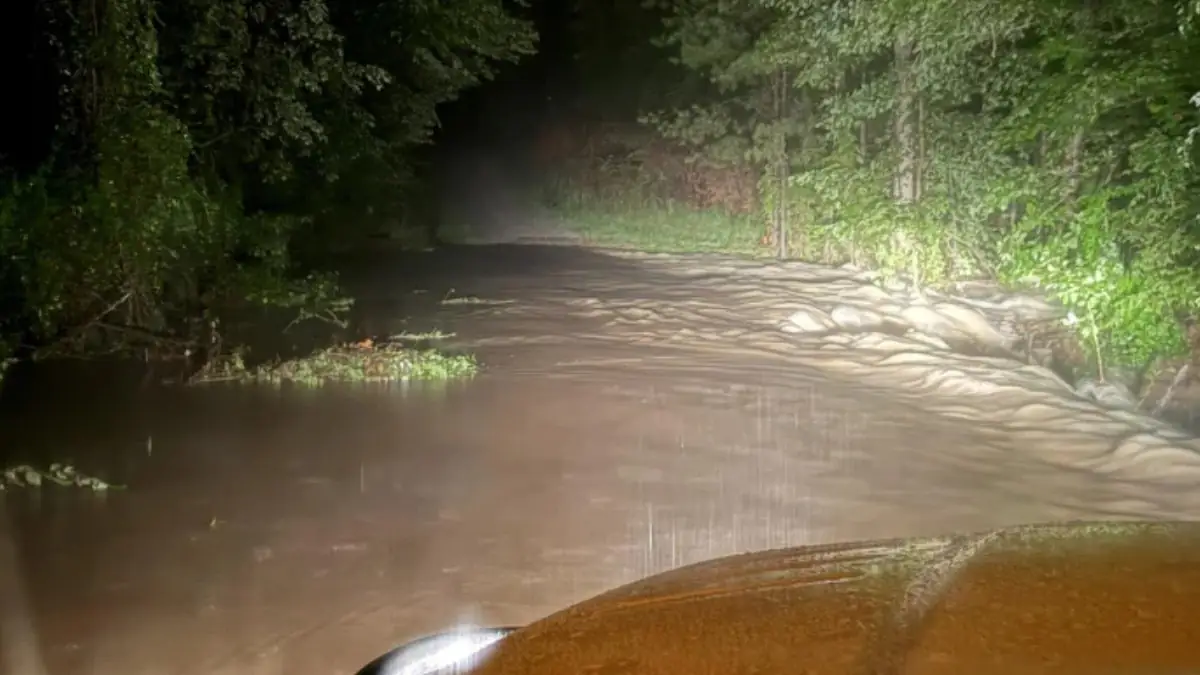
Flooding in Cleburne county on August 4, 2025. Credit: Turkey Heaven Volunteer Fire Department
Flooding across Cleburne County created life-threatening conditions over the weekend, with the Cleburne County Sheriff’s Office reporting two separate emergency incidents on Sunday.
According to the Turkey Heaven Volunteer Fire Department, emergency crews were dispatched twice within two hours to assist motorists who attempted to cross water-covered roads.
The first rescue occurred at approximately 04:44 local time (LT) near the intersection of County Road 635 and County Road 10, where a vehicle was stranded in floodwaters. The lone occupant was rescued successfully through the combined efforts of first responders and a local resident who provided rescue equipment.
The fatal incident was reported at around 06:20 LT on County Road 41, near the 3 000 block. One vehicle occupant was rescued without injury; however, the second was recovered later and pronounced dead at the scene by the county coroner.
 Flood damages road in Cleburne County on August 4, 2025. Credit: Cleburne County EMA
- Flooding in Cleburne county on August 4, 2025. Credit: Turkey Heaven Volunteer Fire Department
- Flooding in Cleburne county on August 4, 2025. Credit: Turkey Heaven Volunteer Fire Department
- Flooding in Cleburne county on August 4, 2025. Credit: Turkey Heaven Volunteer Fire Department
- Flooding in Cleburne county on August 4, 2025. Credit: Turkey Heaven Volunteer Fire Department
- Flooding in Cleburne county on August 4, 2025. Credit: Turkey Heaven Volunteer Fire Department
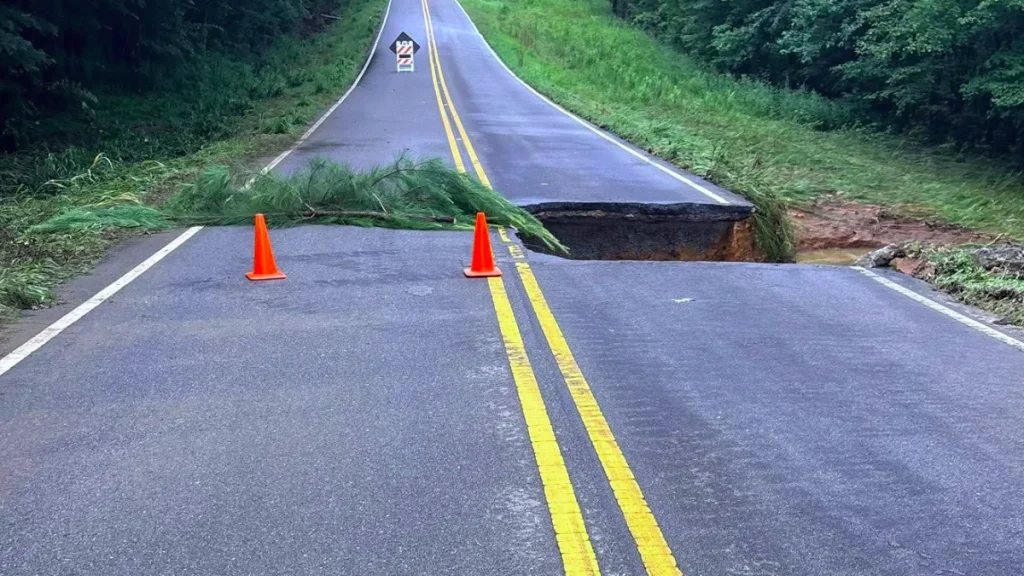
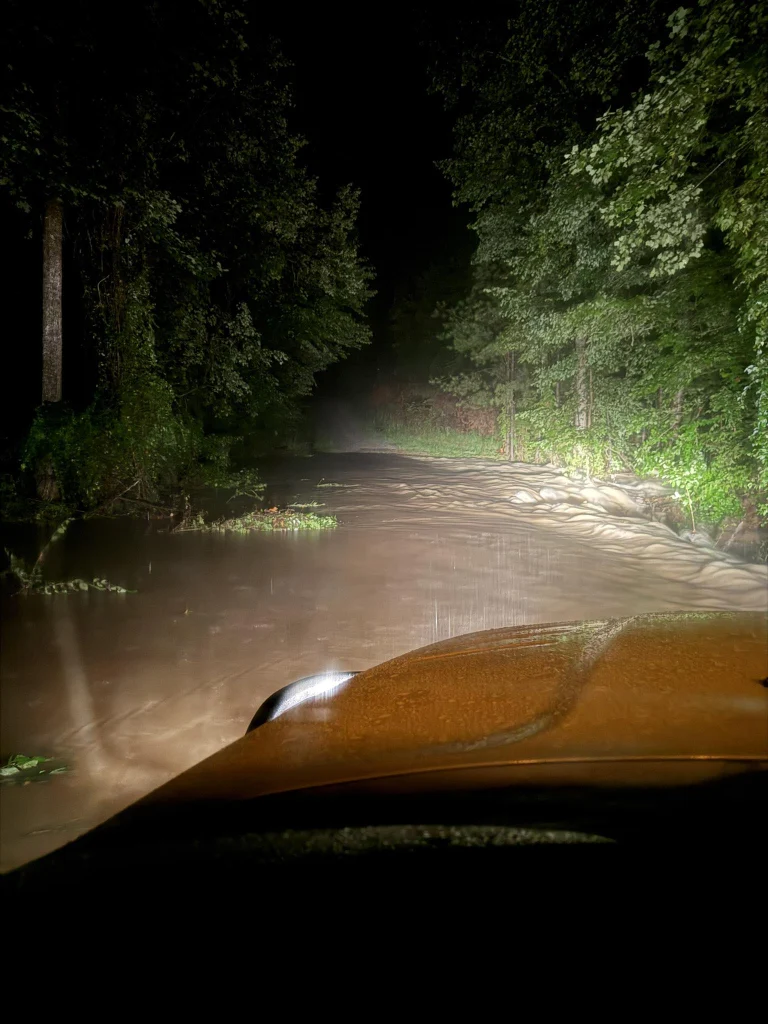
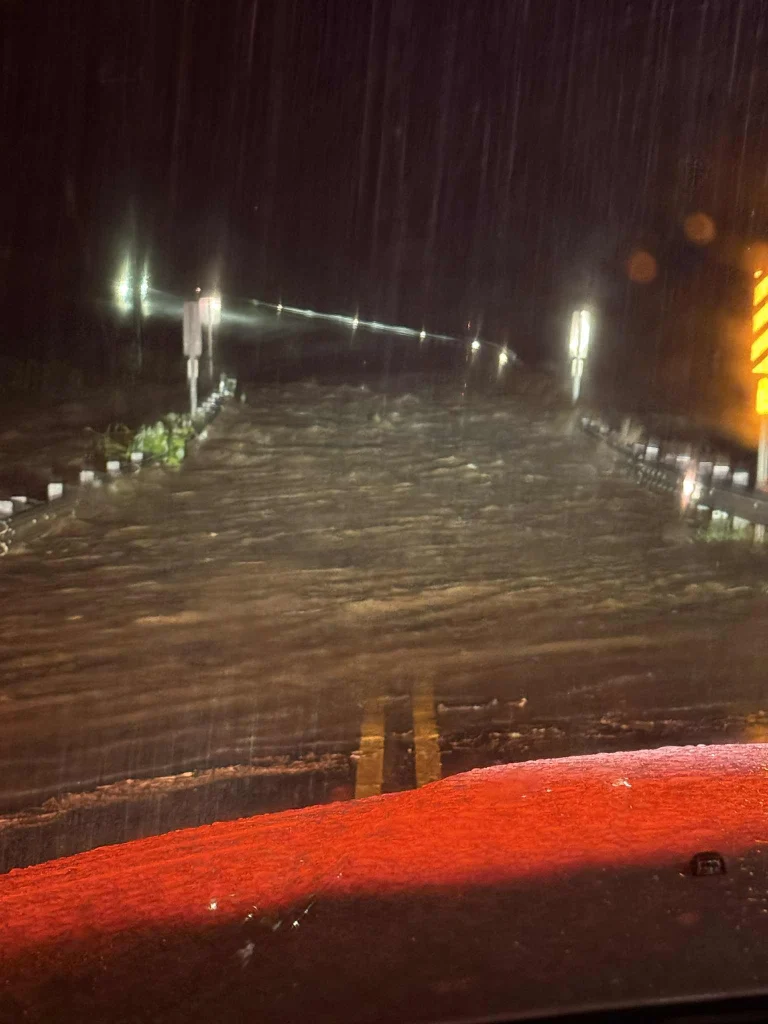

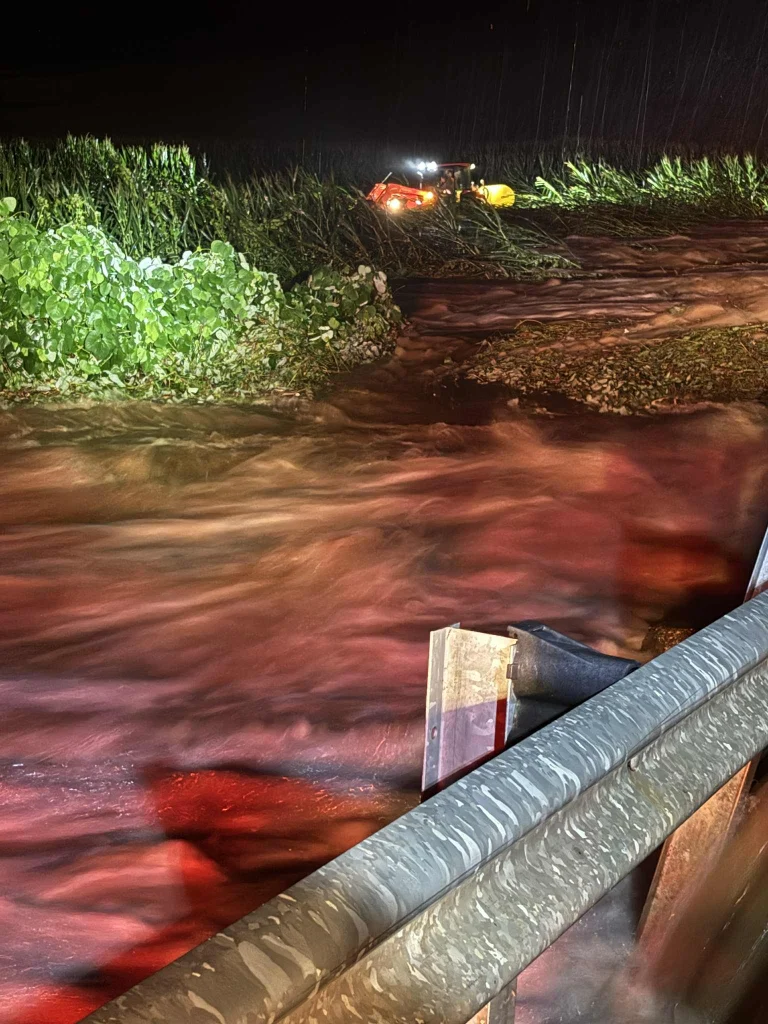
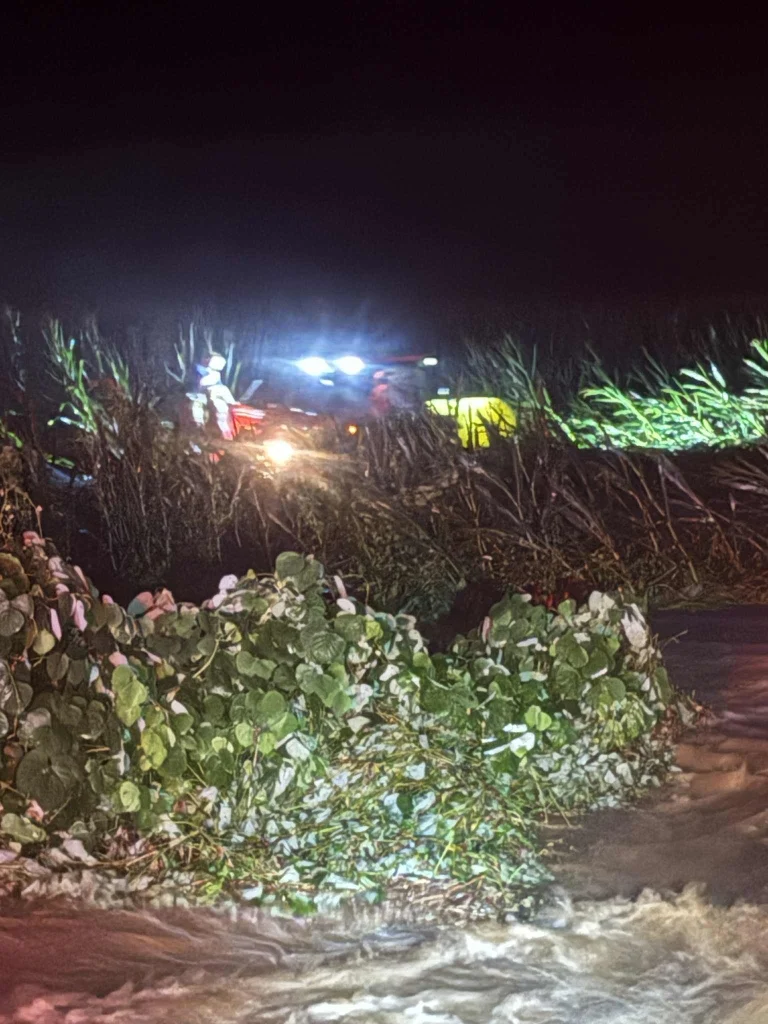
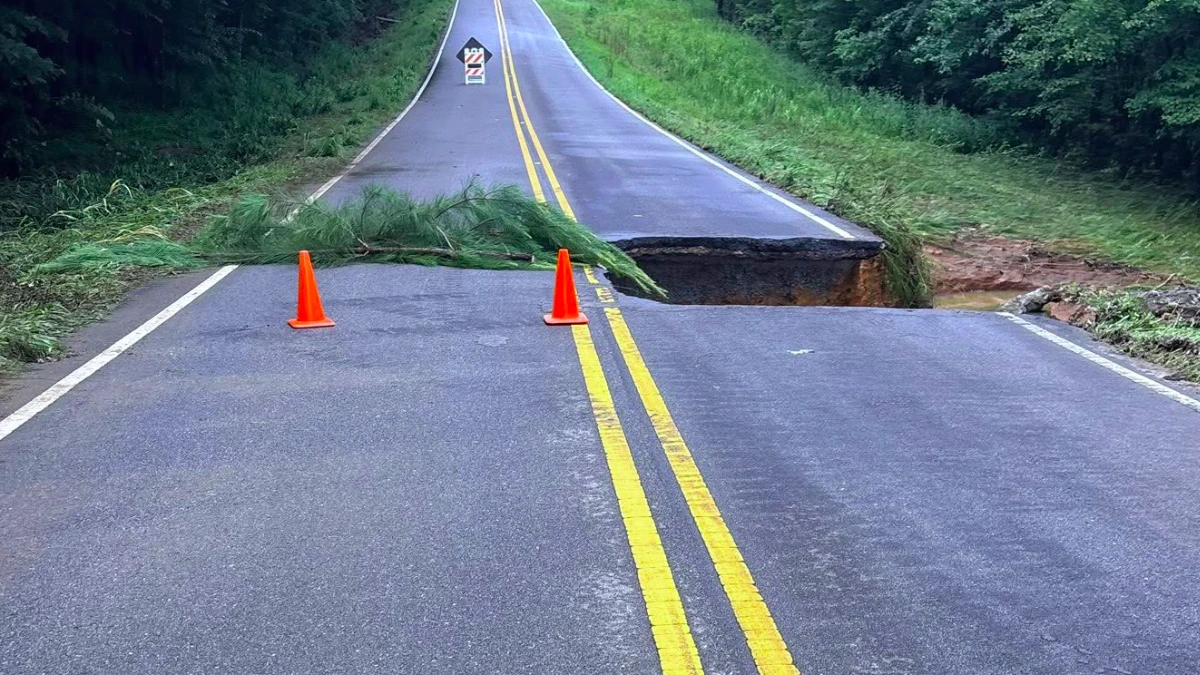
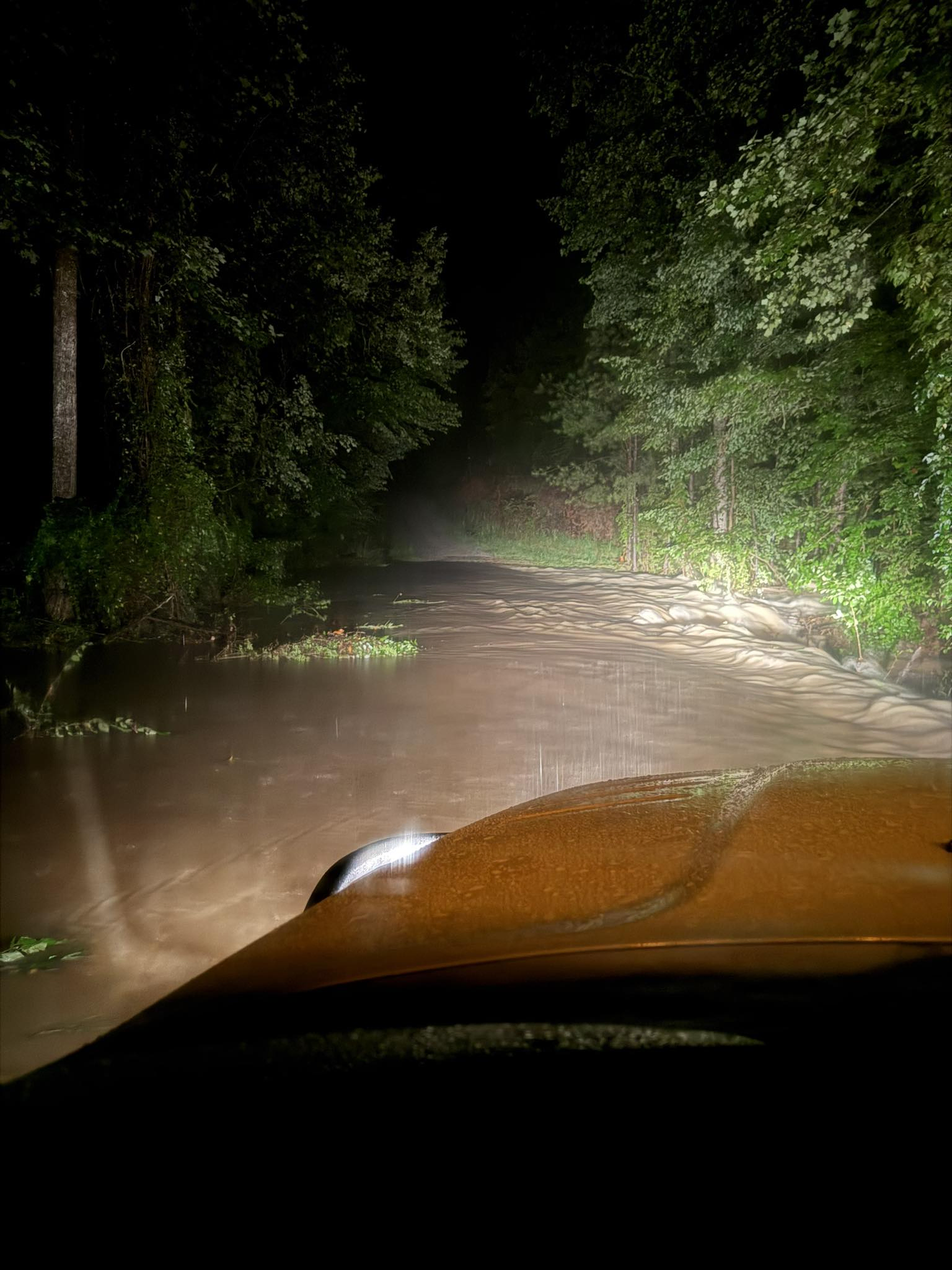
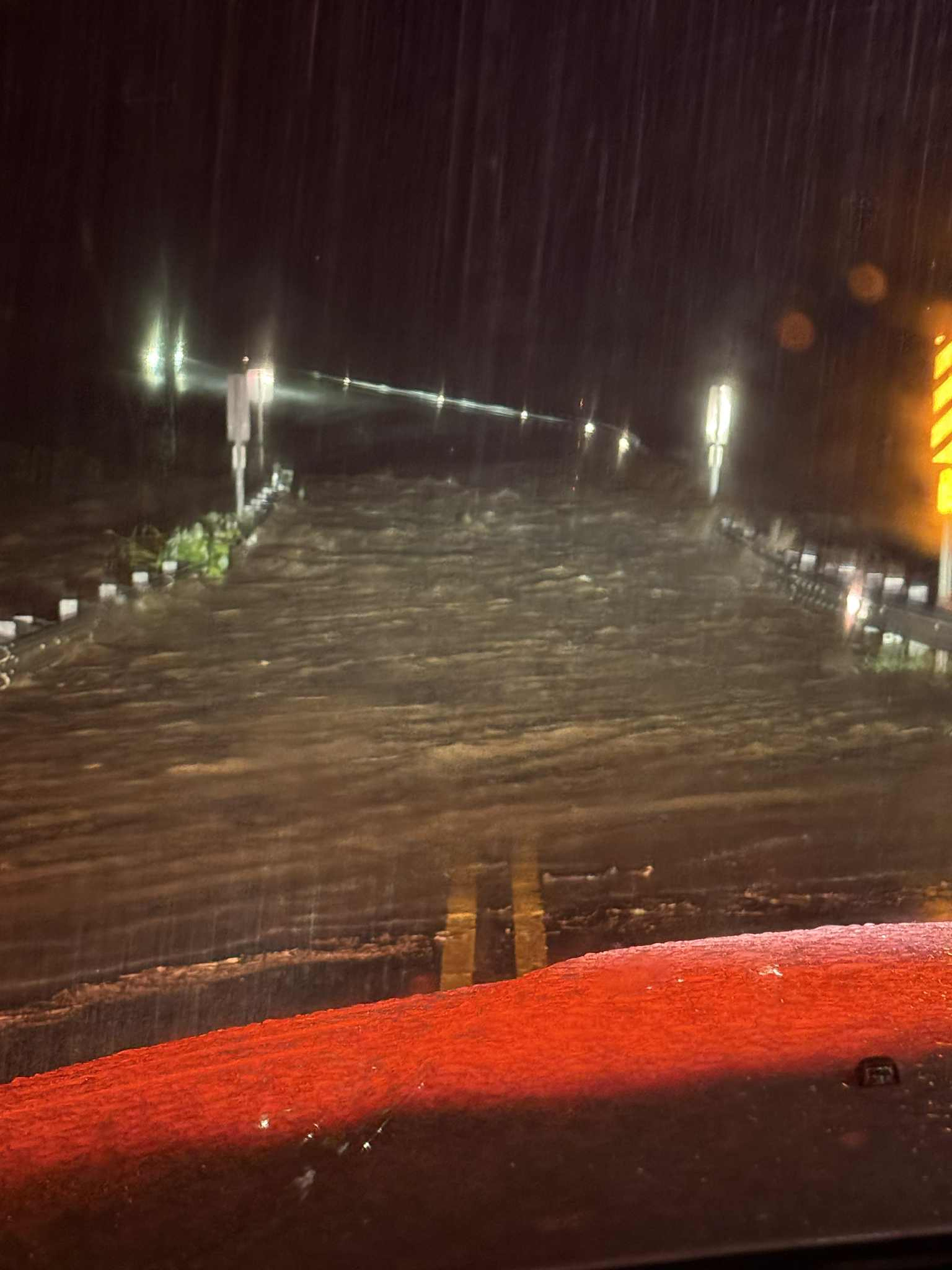

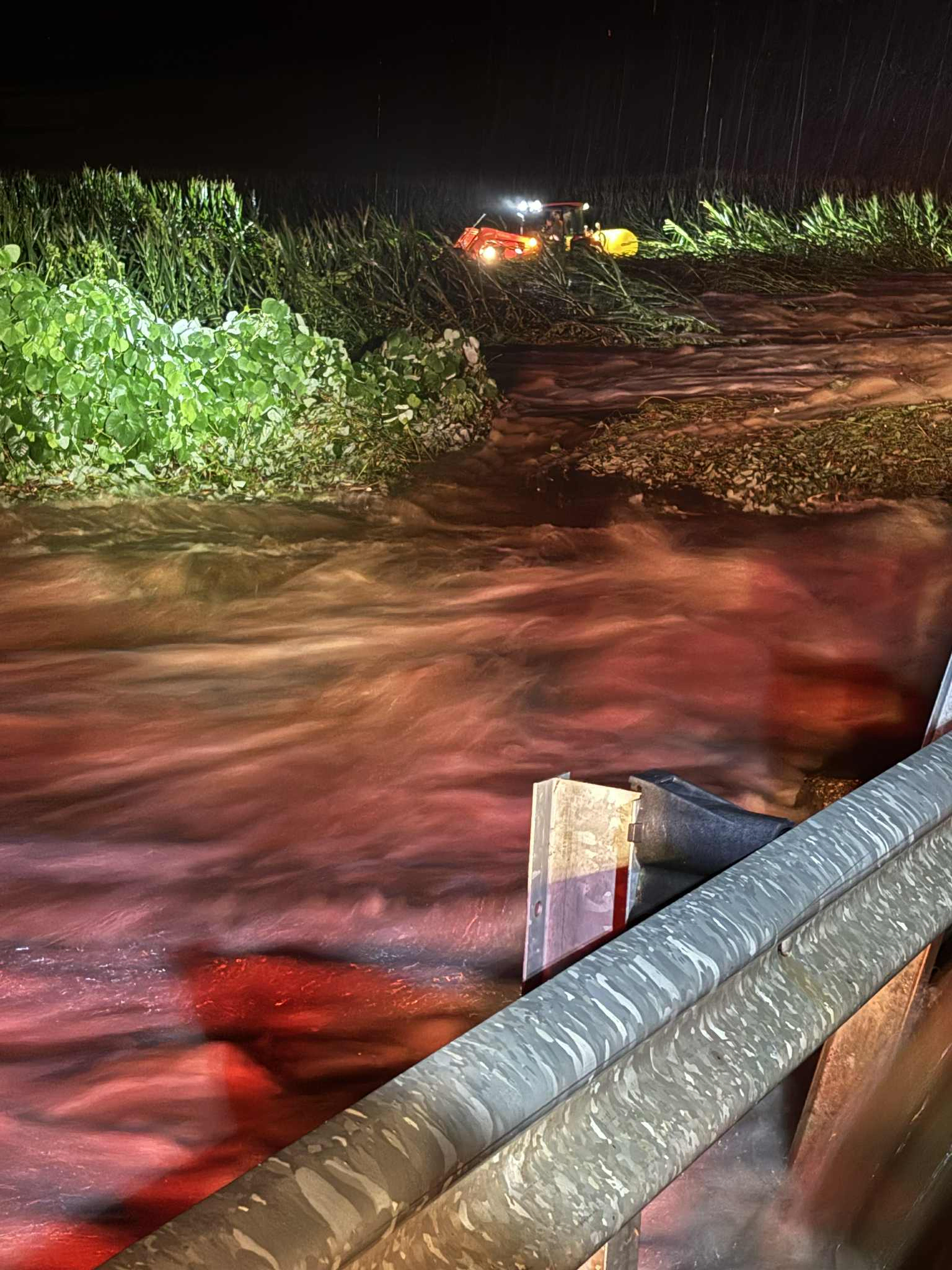
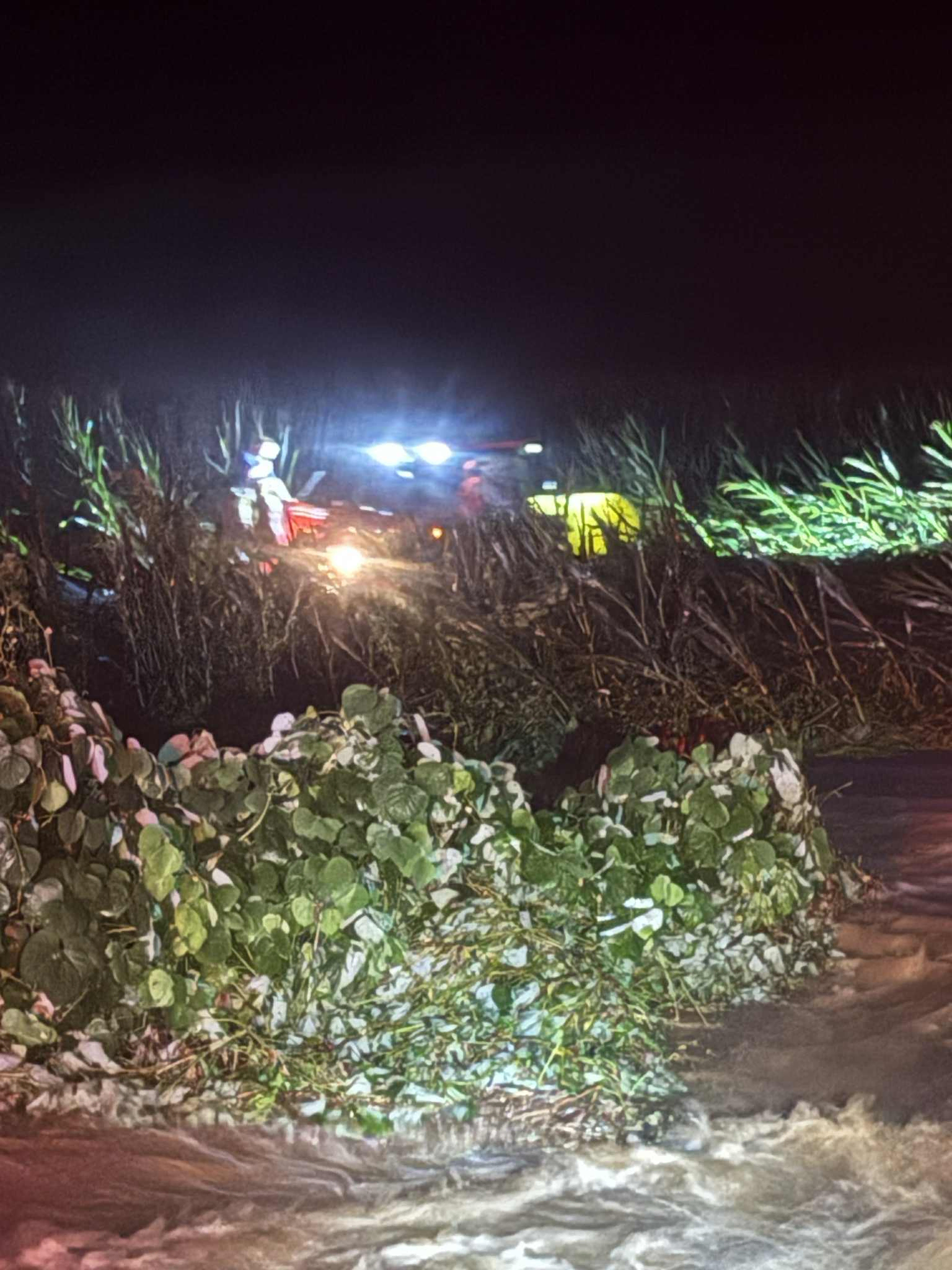
The flooding also damaged several roads, forcing closures and requiring traffic diversions through Sunday.
“These incidents serve as a sobering reminder of just how powerful floodwaters can be,” said Fire Chief Patrick Nolen.
“The safety of our community is our top priority, and while we’re grateful that we were able to safely rescue the individuals involved, we urge everyone to take Flood Warnings seriously.”

Rishav Kothari is Editor-in-Chief of The Watchers, where he runs the newsroom and covers earthquakes, volcanoes, severe weather and space weather.
Published in the last 24 hours
- A Virginia park ranger was struck by lightning seven times and lived, even though three of the strikes set his hair on fire Epicenter
- The hole in the ozone layer over Antarctica was about twice the size of the US this year, and scientists say it would have been bigger still if ozone-eating chemicals were at their 2000 levels Epicenter
