
Flash floods kill over 150 in Mokwa, Nigeria
Flash floods triggered by torrential rains and a dam collapse struck Mokwa, Niger State, central Nigeria, from May 28 to 29, 2025, reportedly killing at least 150 people and displacing over 3 000. The event caused widespread destruction in the commercial hub, with rescue operations ongoing and the death toll expected to rise, according to state emergency officials.
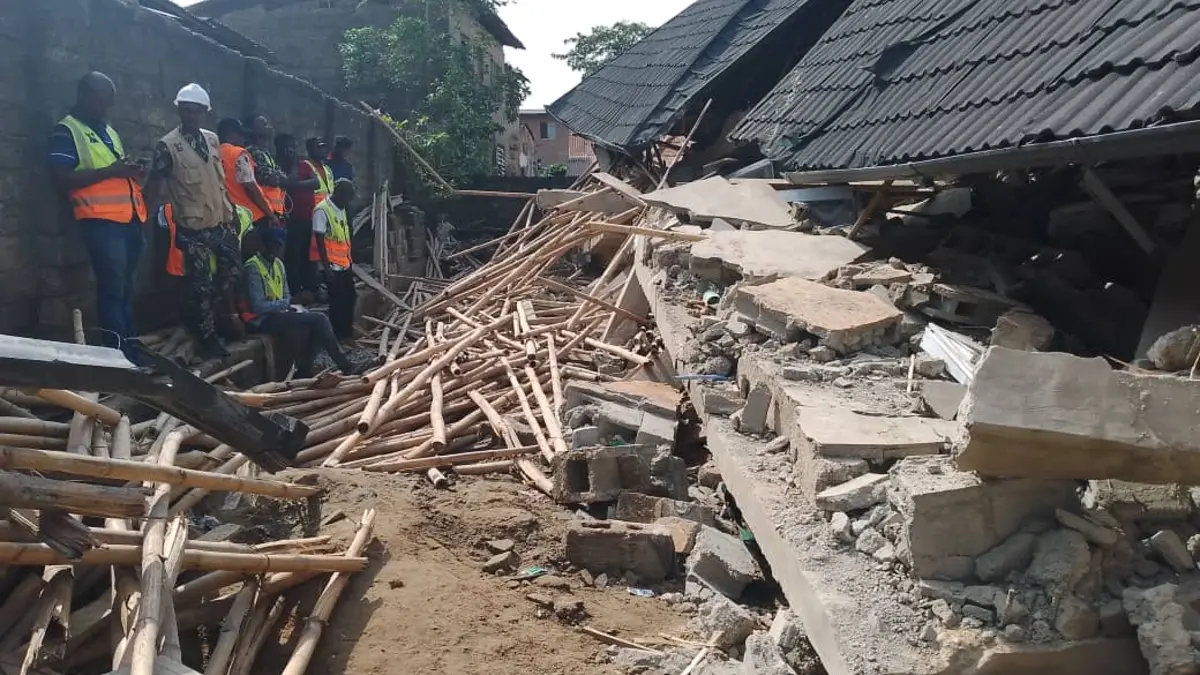
Flood damage in Nigeria in May 2025. Image credit: NEMA Nigeria
Torrential rains in Mokwa began late on May 28 and continued into May 29, triggering severe flooding. The Niger River overflowed due to a dam collapse, inundating residential areas. The flooding was reported to be the worst in 60 years, impacting the Miffin and Angwan Haus districts.
The death toll increased from 110–115 on May 30 to 150 by May 31, with bodies still being recovered downstream, and from collapsed buildings. More than 50 children from a school remain missing. A family of 12 has only four members accounted for.
More than 3 000 people were displaced, with 265 houses completely destroyed and 500 households affected. Two major bridges collapsed, disrupting transportation and rescue operations.
Local media reported that at least 5 000 people have been left homeless in the region. More than 10 000 ha (24 710 acres) of rice fields and crops were destroyed, affecting regional food supply chains.
 Image credit: NEMA Nigeria
- Image credit: NEMA Nigeria
- Image credit: NEMA Nigeria
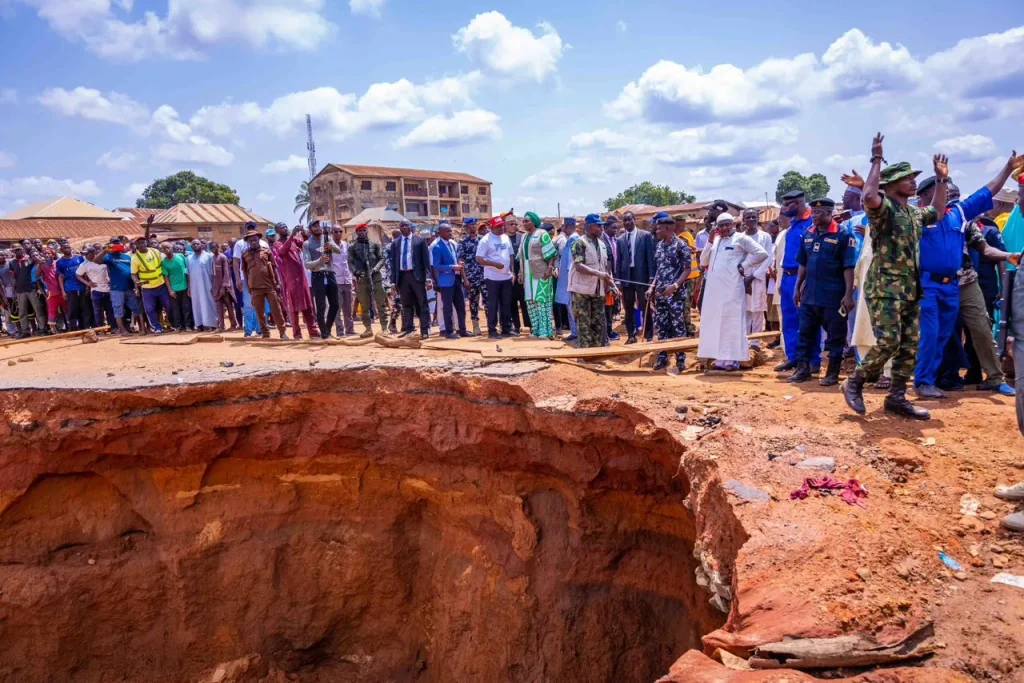

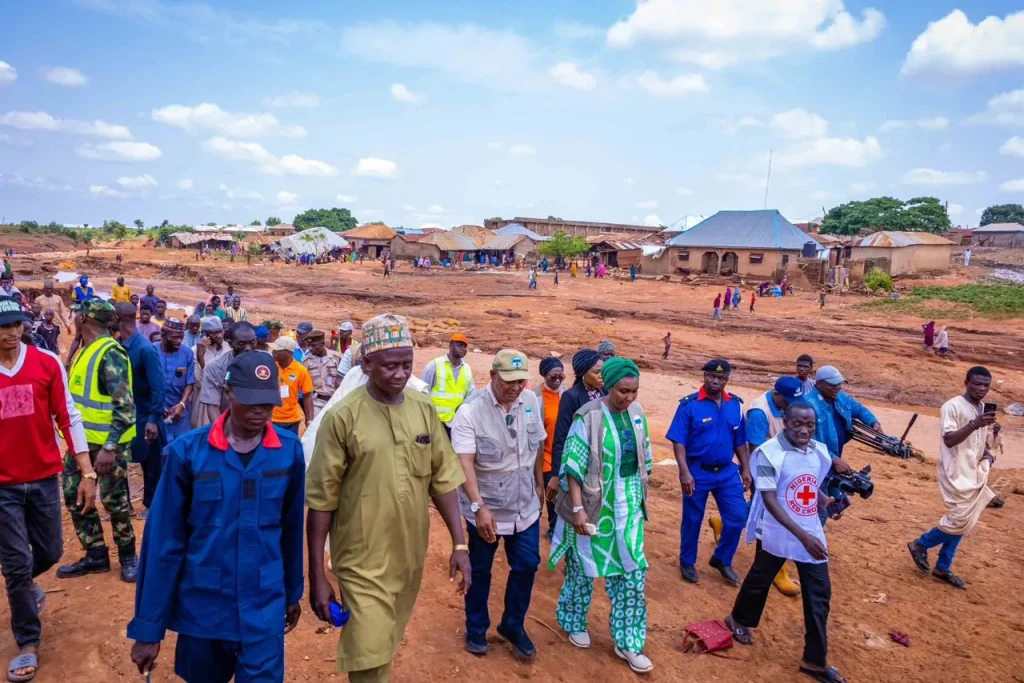
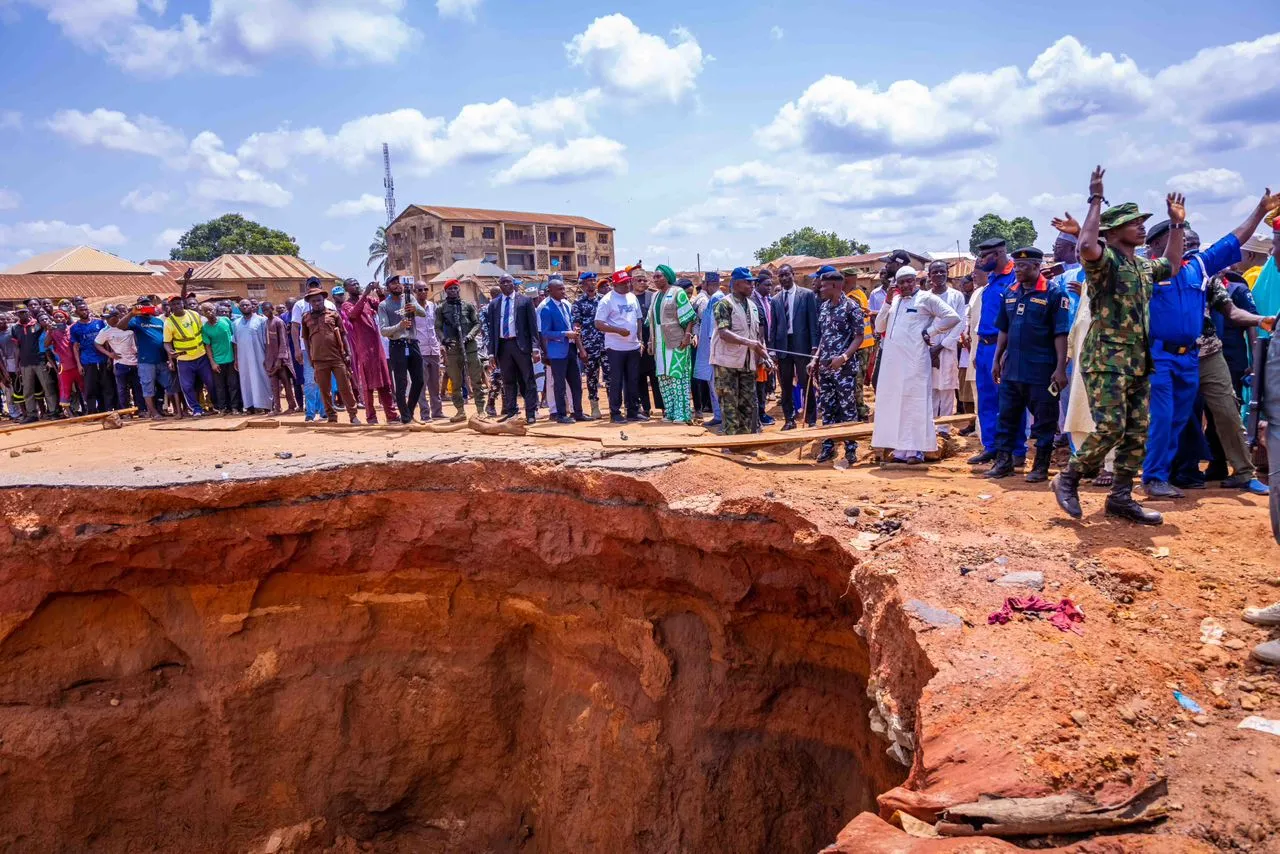
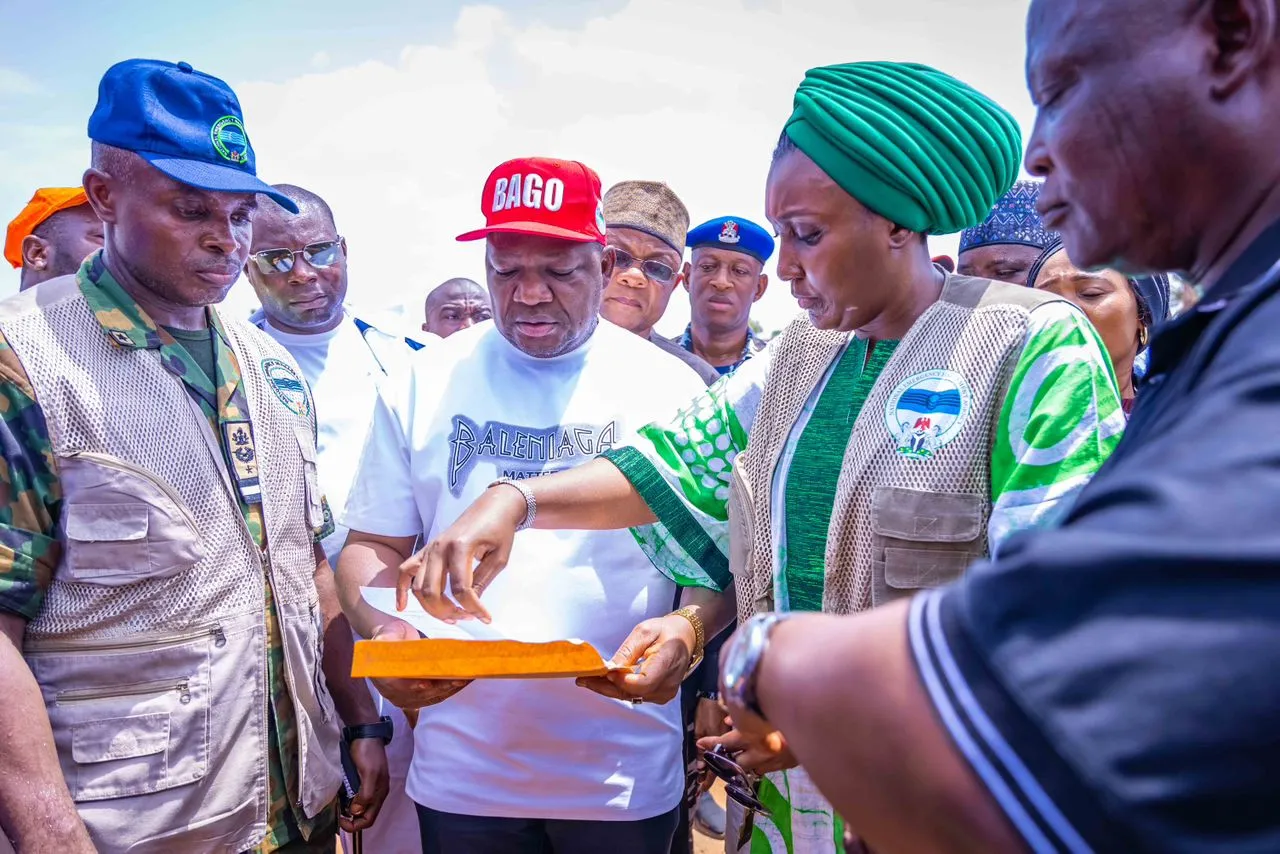
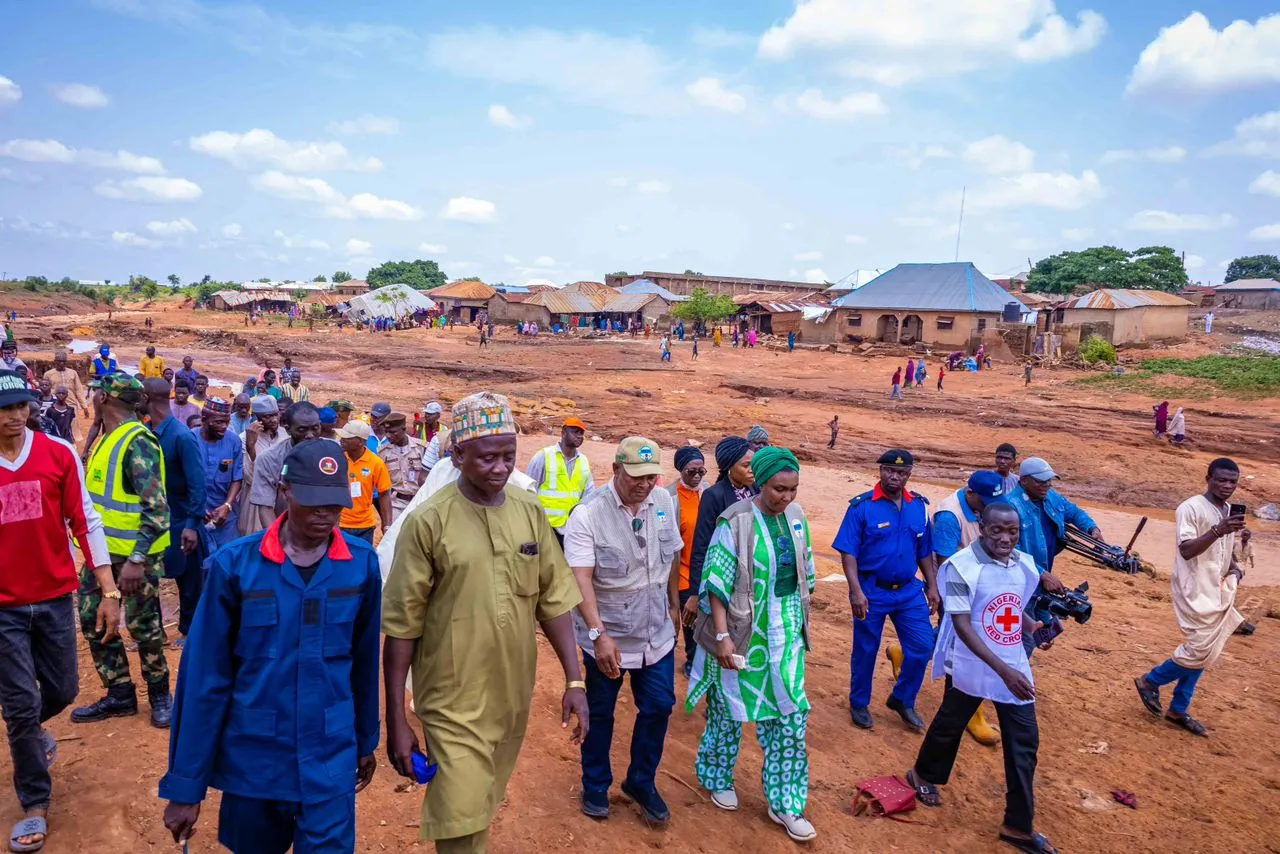
Mokwa, a key commercial hub for agricultural trade, is facing significant economic losses. Traders from southern Nigeria rely on Mokwa for beans, onions, and other produce. The destruction is affecting livelihoods across Niger and Kwara States, with damages estimated in the billions.
On May 29, President Bola Tinubu activated the National Emergency Response Centre and deployed federal agencies. Relief materials and temporary shelters were provided. The National Emergency Management Agency (NEMA) described the flood as one of the worst in the century.
Rescue operations involve police, military, and emergency personnel, with 78 people hospitalized, according to Red Cross chief Gideon Adamu. The Niger State Emergency Management Agency is leading the response but faces challenges in reaching inaccessible areas. Operations are ongoing as floodwaters remain in some locations.
— NEMA Nigeria (@nemanigeria) May 29, 2025
The floods occurred during Nigeria’s rainy season, exacerbated by inadequate drainage infrastructure. A nearby dam failure worsened the disaster’s impact. In northern Nigeria, alternating dry spells and heavy rains increase the annual risk of flash floods.
According to NEMA’s 2025 flood outlook, 15 million Nigerians are at high flood risk across 30 states. More than 1 200 communities face severe threats, while 2 187 communities in 293 local government areas are at moderate risk.
In 2024, flooding across 31 states in Nigeria resulted in 1 200 deaths and displaced 1.2 million people. A previous flood in Mokwa in April 2025, caused by the Jebba dam water release, killed 13 and destroyed crops. Dam management continues to be a recurring factor in flood-related risks.
- Floods in Nigeria in May 2025. Credit: NEMA Nigeria
- Floods in Nigeria in May 2025. Credit: NEMA Nigeria
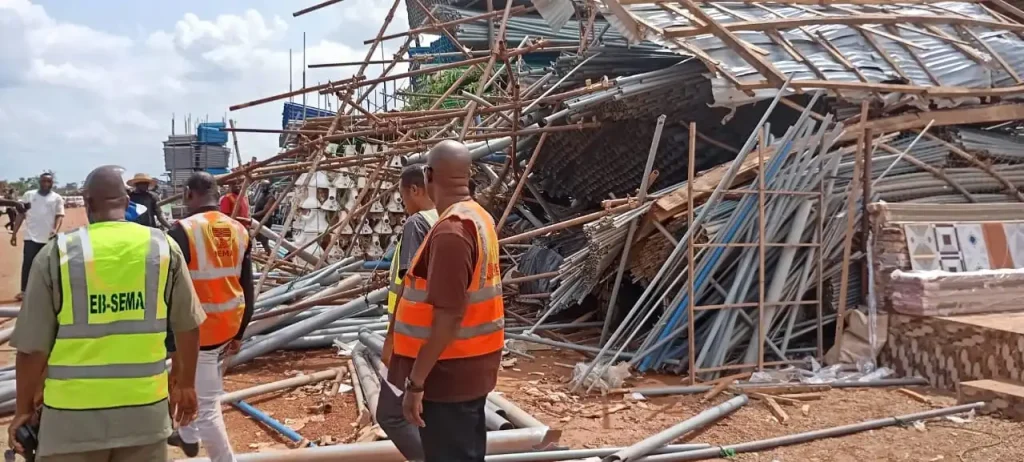
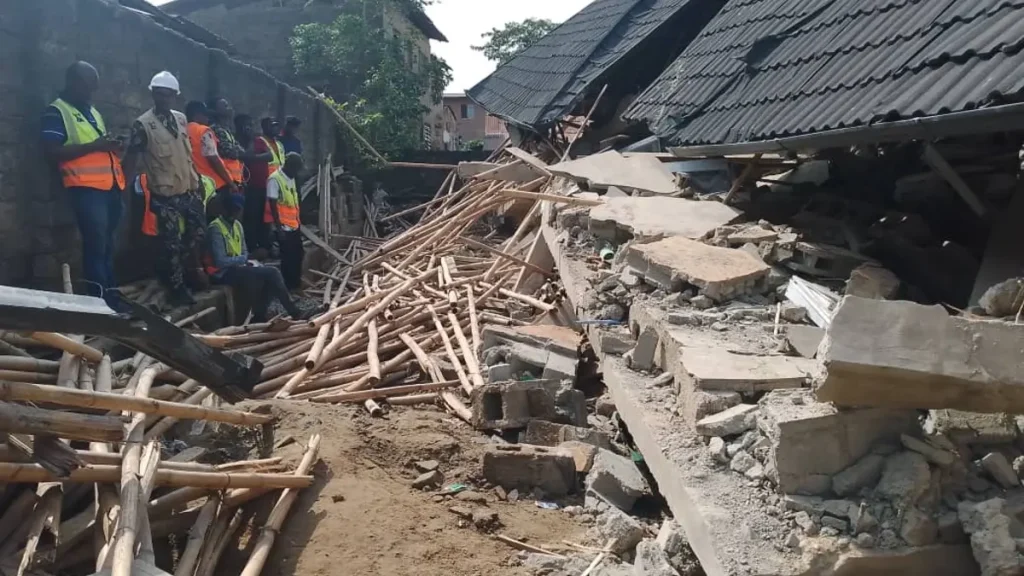
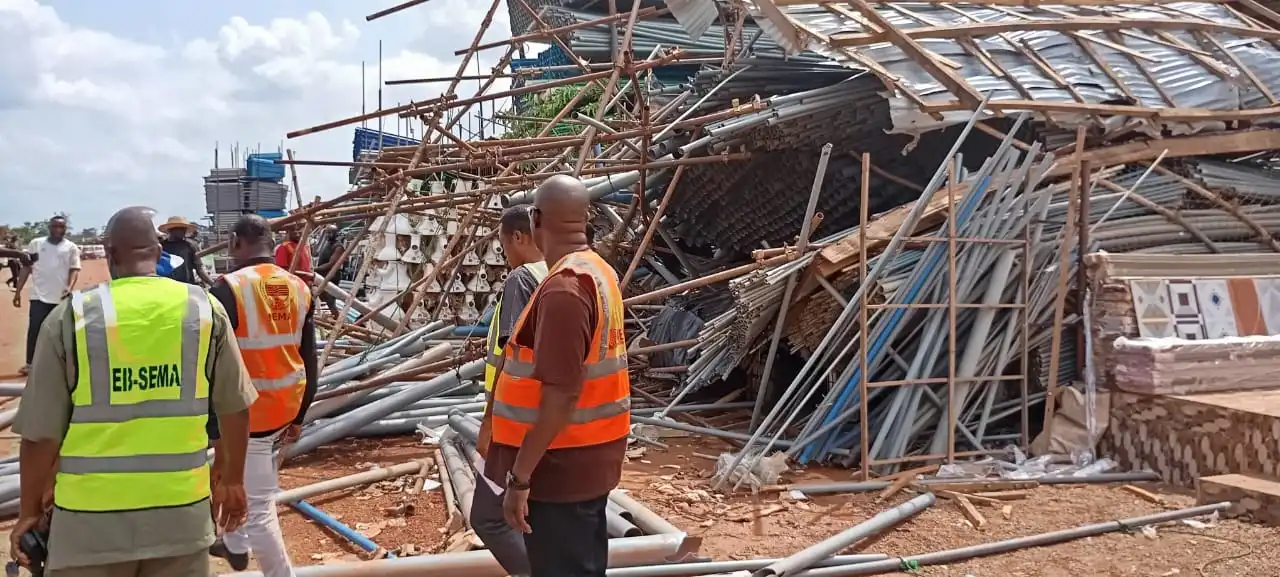
NEMA and the Nasarawa State government launched the National Preparedness and Response Campaign (NPRC) to mitigate flood risks. The campaign includes early warning systems, drainage desilting, and community training. In Lafia, the campaign involved police, fire services, and local officials.

I’m a science journalist and researcher at The Watchers, contributing to the Epicenter edition, where I cover peer-reviewed scientific research and emerging discoveries across Earth and space sciences. With a background in astronomy and a passion for environmental science, I’ve worked in shark and coral conservation in Fiji, conducting reef and shark-behavior research, contributing to mangrove restoration, and earning PADI Open Water and Coral Reef Certifications. I bring a blend of scientific rigor and storytelling to illuminate the discoveries shaping our planet and beyond.

Commenting rules and guidelines
We value the thoughts and opinions of our readers and welcome healthy discussions on our website. In order to maintain a respectful and positive community, we ask that all commenters follow these rules.