• Volcanic unrest persists at Mount Spurr with elevated seismicity and surface deformation, Alaska

    Volcanic unrest continues at Mount Spurr, Alaska, with elevated seismic activity, surface deformation, persistent gas emissions, and visible summit steaming. The current unrest indicates that new magma has intruded into the Earth’s crust beneath the volcano and that the probability of an eruption has increased. The last known eruption at this volcano took place in 1992 (VEI 4).

  • Severe flash floods hit McAllen as thunderstorms sweep through South Texas

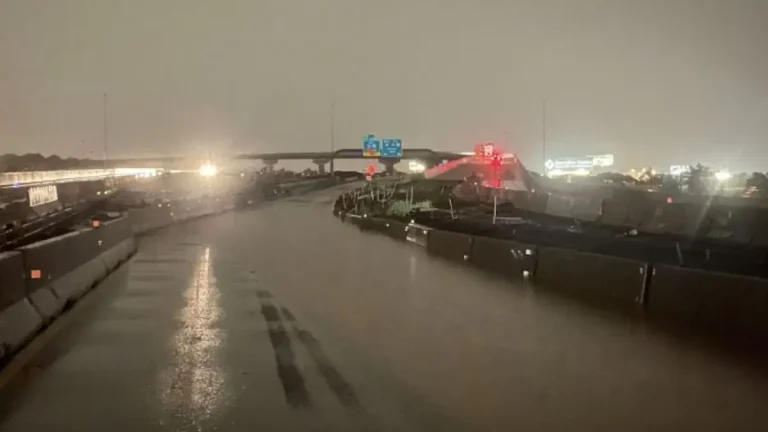
    Severe flash floods hit McAllen (population 146 000) as a line of thunderstorms swept across South Texas on Thursday, March 27, 2025, bringing 152 to 254 mm (6 to 10 inches) to parts of the region. Floodwaters entered a medical center in McAllen and submerged key routes across southern Texas, leading to hazardous travel conditions and extensive damage.

  • Major atmospheric river (AR) event possible over the U.S. West Coast next week

    U.S. weather models, including NCEP and GEFS, project an over 80% chance of a strong atmospheric river making landfall in northern and central California from April 1 to 2, 2025, with additional outlooks from the NWS Climate Prediction Center (CPC) indicating wetter-than-normal conditions and a moderate risk of heavy rain and mountain snow between March 31 and April 4.

  • Rare weather alert issued for Seattle, Portland, Vancouver and Salem

    The Storm Prediction Center (SPC) has issued a rare level 2 out of 5, or Slight Risk, for severe thunderstorms across parts of the Pacific Northwest from March 26 to 27, potentially impacting over 7.2 million people in major cities such as Seattle, Portland, and Vancouver. The threats include hail in excess of 2.5 cm (1 inch), wind gusts over 93 km/h (58 mph), and possible isolated tornadoes.

  • Central Texas under Critical Fire Weather Outlook

    A Critical Fire Weather Outlook has been issued for over 93 240 km² (36 000 square miles) of central Texas on Friday, March 21, 2025, with gusty winds and low humidity expected to create dangerous fire conditions for approximately 1.5 million residents.