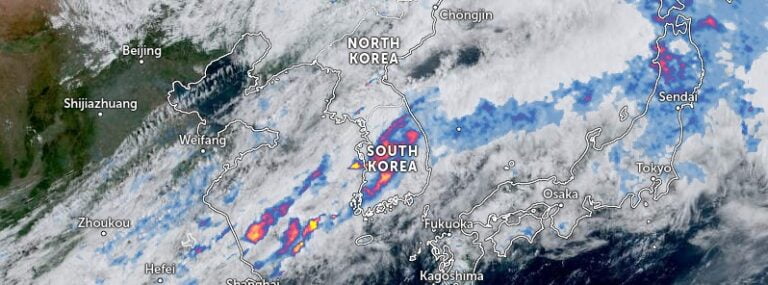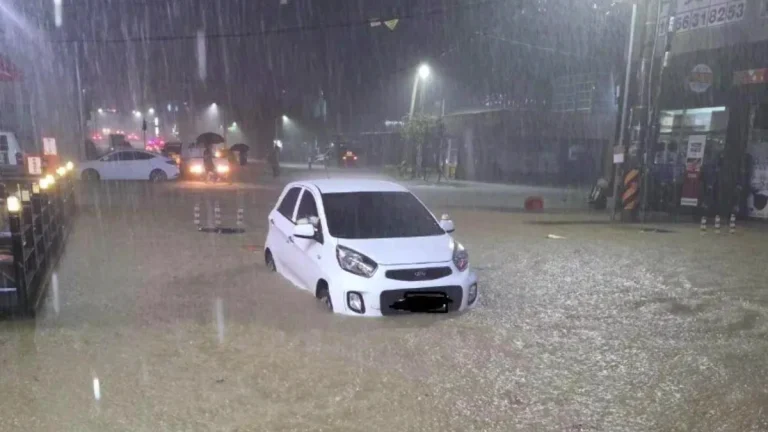
• Extreme rainfall causes severe flooding in South Korea

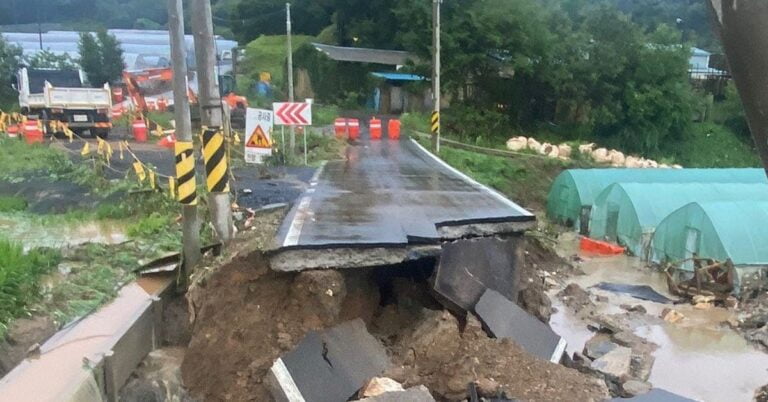
    An extreme rainfall event struck South Korea between August 3 and 4, 2025, triggering severe flooding across the southern regions of the country. Over 280 mm (11 inches) of rainfall was recorded in Muan in just 24 hours, with the hourly rainfall rates reaching over extreme 140 mm (6 inches) on August 4.
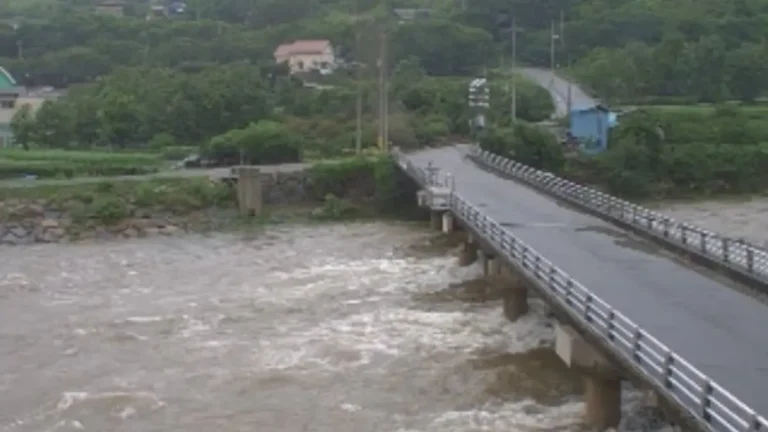
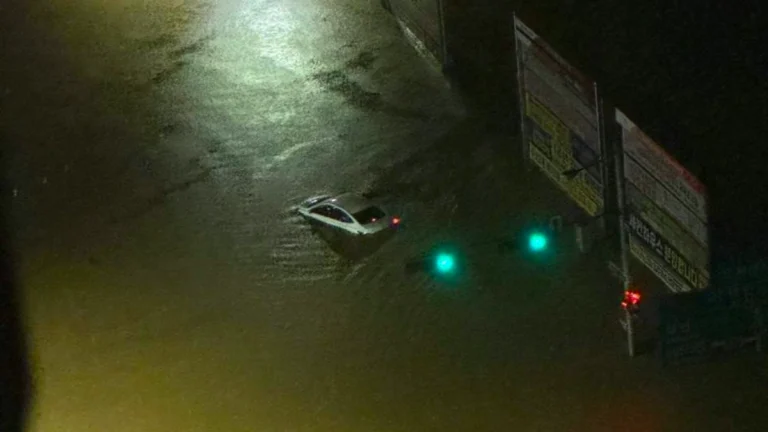
  • At least 14 dead and thousands displaced after heavy monsoon rains in South Korea

    Torrential rains between July 16 and 20, 2025, caused widespread flooding and landslides across central and southern South Korea, killing at least 14 people, displacing thousands, and damaging key infrastructure. Some regions recorded nearly 800 mm (31.5 inches) of rain in less than five days, with hourly rainfall rates exceeding 115 mm (4.5 inches), prompting the highest-level landslide and flood alerts nationwide.

  • Extremely heavy rains hit Seoul, South Korea

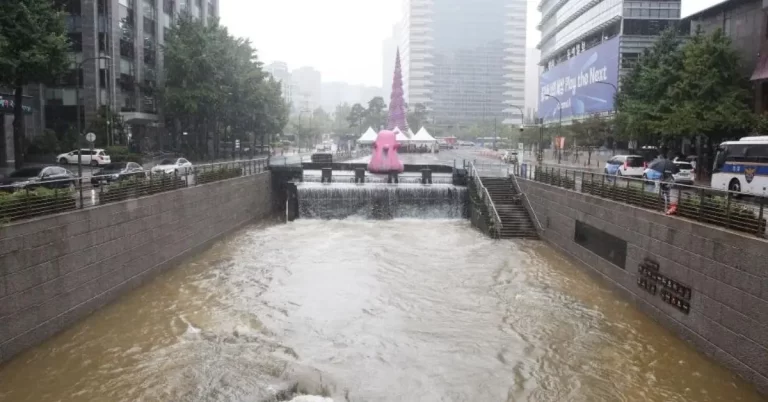
    Seoul and its surrounding metropolitan area were severely impacted by heavy rainfall on July 19, 2024, with up to 634 mm (25 inches) recorded over the past two days. The torrential downpour was the heaviest of this rainy season, with more heavy rain expected starting July 20.

  • South Korea hit by most intense downpour in 200 years

    Extremely heavy rains hit South Korea on July 9 and 10, 2024, claiming 4 lives and forcing thousands to evacuate for safety. The rains caused multiple flights and trains to be delayed and caused severe damage to infrastructure all over South Korea.

  • Over 35 lives lost to severe flooding and landslides in South Korea, major SAR operation underway

    South Korea faced severe devastation from torrential rain starting from July 9, 2023, causing extensive flooding and landslides. The catastrophic event led to over 30 deaths nationwide, with nine others reported missing. The death toll includes at least nine people who died after a bus became trapped in a flooded underground tunnel located in Cheongju City. The number of casualties from the underpass flooding is expected to rise further as major search and rescue operations continue.