
• Gravity mapping reveals unexpected interior structures of the Moon and Vesta

    Scientists are using subtle changes in gravity to reveal the hidden interiors of the Moon and asteroid Vesta. By tracking spacecraft movements, they’ve created detailed maps that uncover thermal differences on the Moon and a uniform structure inside Vesta. This method opens new doors for exploring distant worlds without landing on them.
  • Moon’s farside shows signs of ongoing tectonic activity

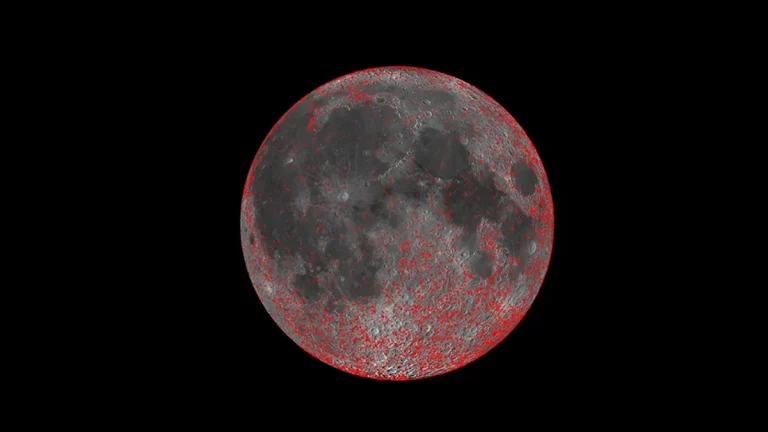
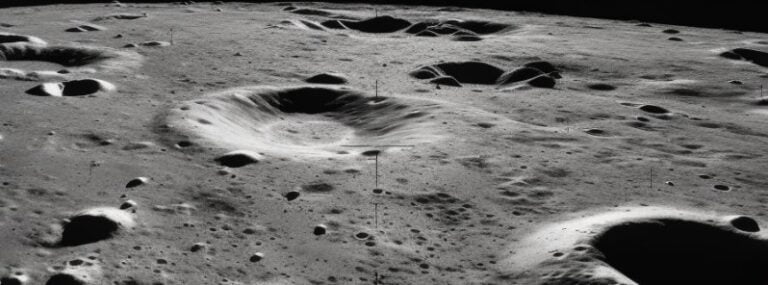
    Small-scale tectonic structures have been identified on the Moon’s farside maria and within the South Pole–Aitken (SPA) Basin, revealing recent and potentially ongoing contractional tectonism. The discovery challenges previous assumptions that tectonic activity on the Moon ceased billions of years ago.

  • Study sheds light on the origin of lunar surface water

    A new study in Nature Geoscience identified impact glass beads in lunar soils as a significant water reservoir. The researchers estimate that the total amount of water contained within impact glass beads found in lunar soils could be as much as 2.7 x 10¹⁴ kg — equivalent to 270 trillion kg.
