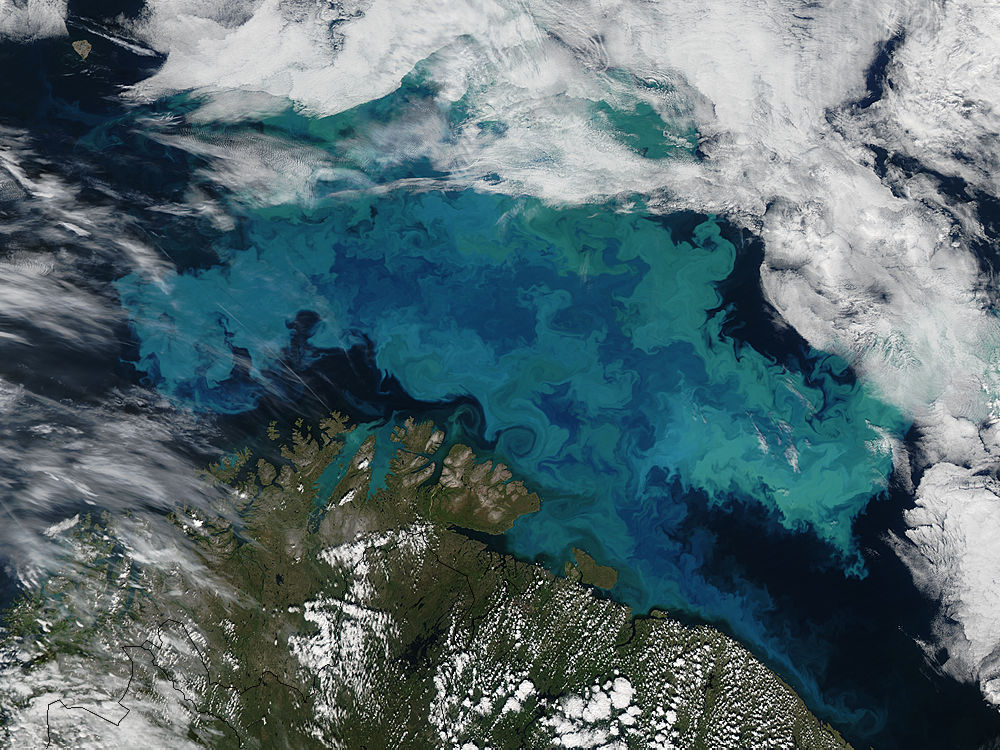
• Phytoplankton bloom in the Barents Sea

    At times nature exceeds the ability of the artist’s brush to blend brilliant colors, interweave textures and combine patterns to create stunning panoramas, while using only the palette of land, water, cloud and vegetation. This stunning and artistic image of a

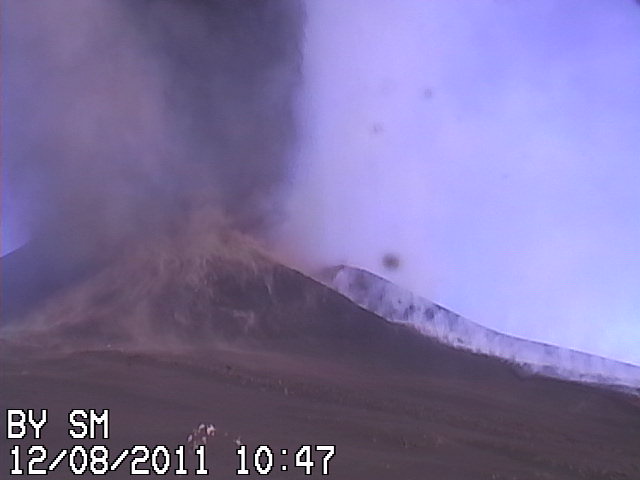
  • New paroxysm at Mount Etna

    Throughout 2011, activity at Sicily’s Mount Etna has been characterized by paroxysms: short, violent bursts of activity. Each event has included volcanic tremors, ash emissions, and lava flows centered around the New Southeast Crater, just below the summit.On

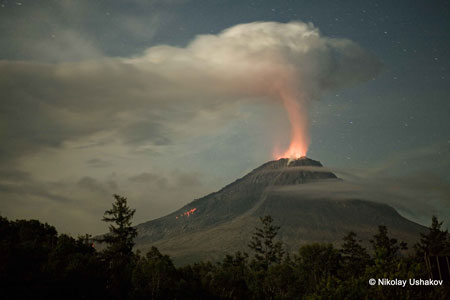
  • Activity at Kizimen and Shiveluch volcanoes, Kamchatka Peninsula

    The Kamchatka Peninsula, along Russia’s Pacific coast, is currently the most volcanically active area in the world: four volcanoes are erupting simultaneously, and a fifth is showing signs of an impending eruption. Ash plumes from two of these volcanoes and a thermal

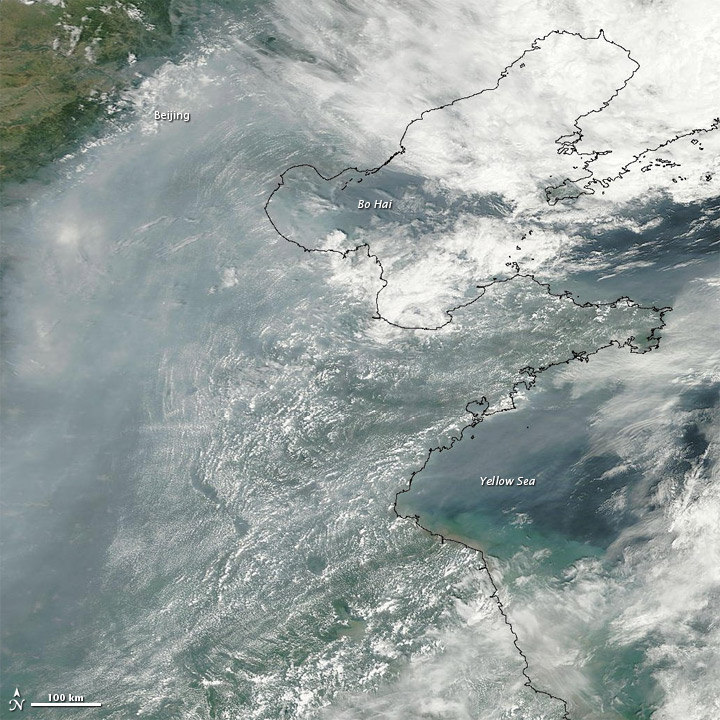
  • Haze over Eastern China

    After Tropical Storm Muifa made landfall and subsequently dissipated, haze hovered over eastern China in early August 2011. The thick band of haze stretched over the coastal plain, from Beijing southward, and over parts of Bo Hai and the Yellow Sea.The Moderate

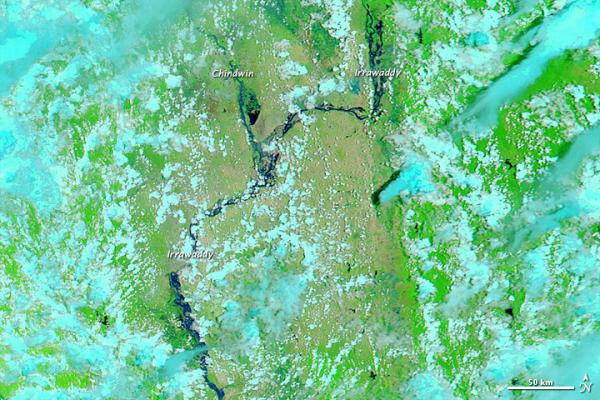
  • Asian summer monsoon transforms Burmanese rivers

    Arising from glaciers in the remote mountains of northern Burma (Myanmar), the Irrawaddy River (also known as the Ayeyarwady or Ayeyarwaddy) typically experiences its lowest water level in February, and its highest water level in August. Summertime snow and glacier

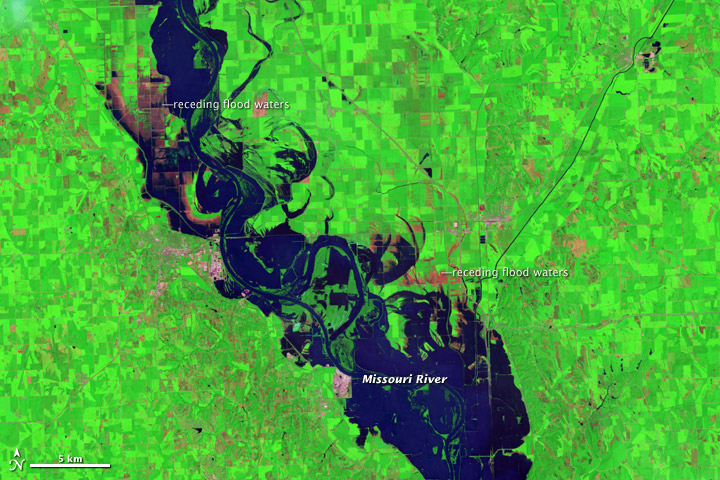
  • Lingering floods in Eastern Nebraska

    At the beginning of August 2011, flood waters were slowly receding along the Missouri River in eastern Nebraska. On August 3, 2011, the Advanced Hydrological Prediction Service (AHPS) of the U.S. National Weather Service reported moderate flooding at multiple

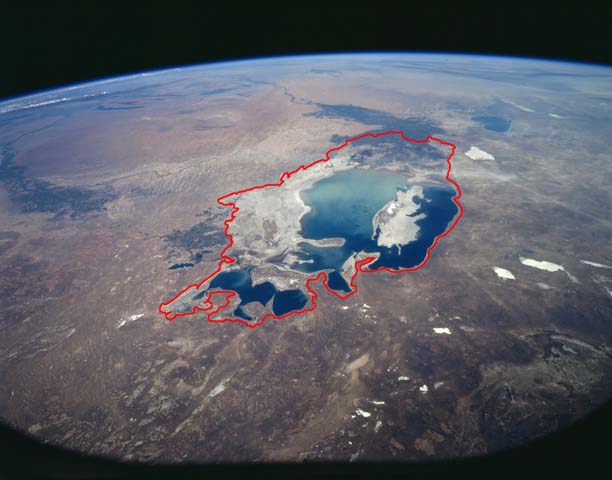
  • Receding Aral sea sees some recovery

    The size of the Aral Sea has long hinged on the Amu Darya, which flows from the high Pamir Mountains in central Asia, across the desert, and into the southern sea. While two rivers empty into the lake—the Amu Darya and the Syr Darya—the Amu Darya is the largest and

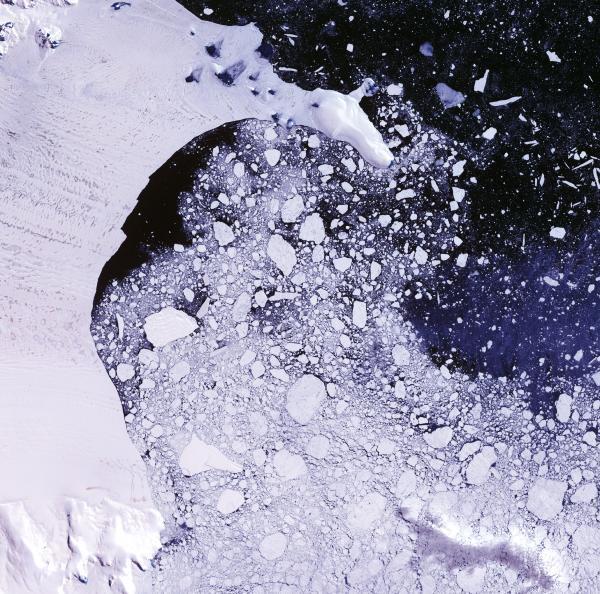
  • Ice loss following the collapse of Antarctic ice shelves

    An international team of researchers has combined data from multiple sources to provide the clearest account yet of how much glacial ice surges into the sea following the collapse of Antarctic ice shelves.The work by researchers at the University of Maryland,