• 40 year old Magellanic Stream mystery solved

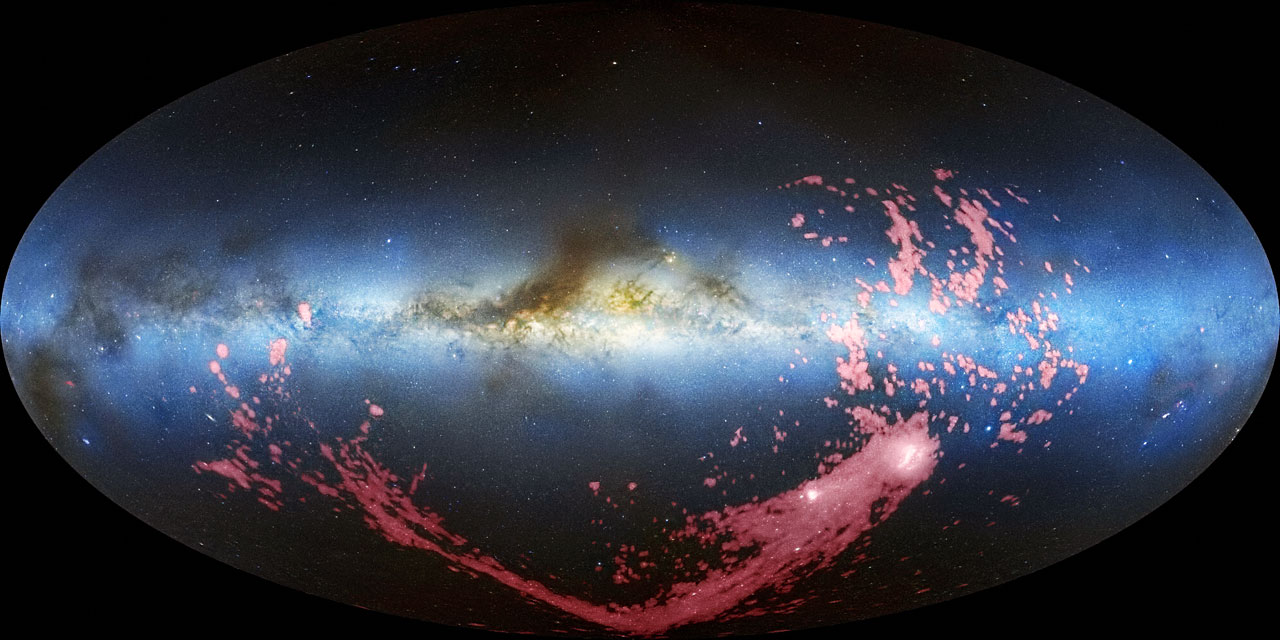
    Astronomers using the NASA/ESA Hubble Space Telescope have solved the 40-year-old mystery of the origin of the Magellanic Stream, a long ribbon of gas stretching nearly halfway around the Milky Way. New Hubble observations reveal that most of this stream was stripped
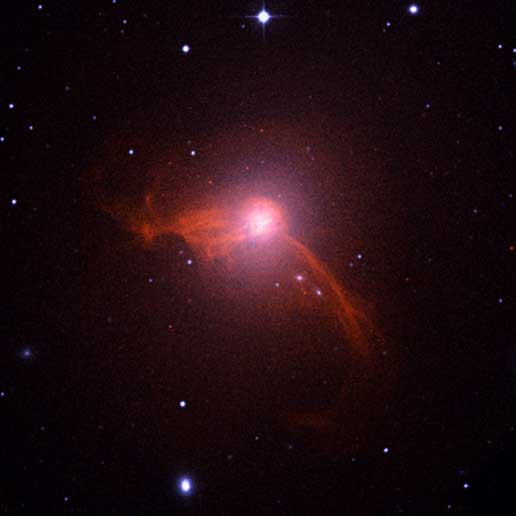
  • Giant magnetized outflows from our Galactic Center

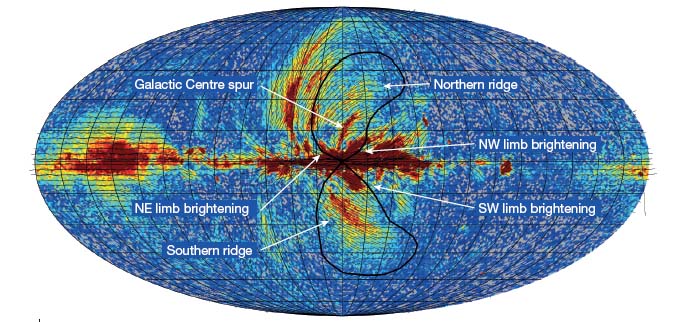
    Two years ago, CfA astronomers reported the discovery of giant, twin lobes of gamma-ray emission protruding about 50,000 light-years above and below the plane of our Milky Way galaxy, and centered on the supermassive black hole at our galaxy’s core.The scientists

  • Astronomers explore NGC 6872, declare it largest known spiral galaxy

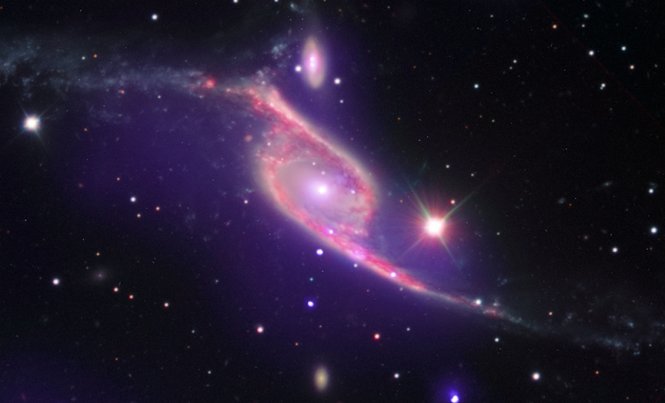
    NGC 6872 is a barred spiral galaxy 212 million light years away from Earth in the southern constellation Pavo. With its exceptionally large spiral arms, it spans more than 522,000 light-years, making it more than five times the size of our Milky Way galaxy. For

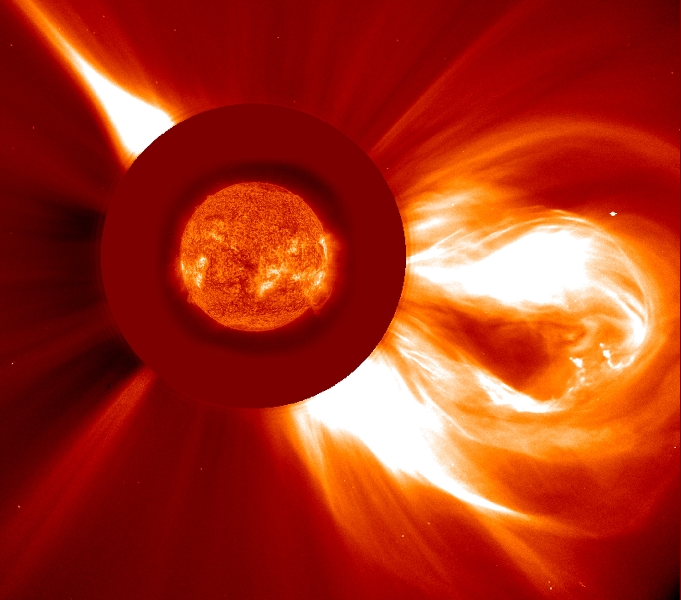
  • Spacecraft sees solar storm engulf Earth

    For the first time, a spacecraft far from Earth has turned and watched a solar storm engulf our planet. The movie, released today during a NASA press conference, has galvanized solar physicists, who say it could lead to important advances in space weather forecasting.

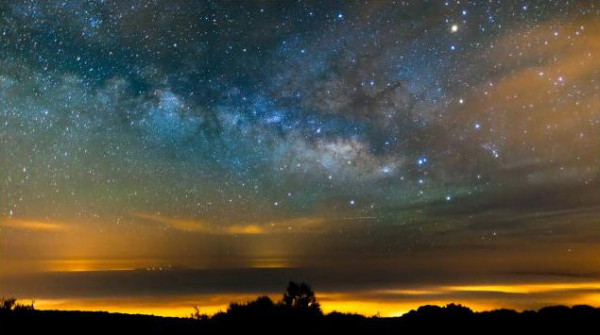
  • Milky Way through a Saharan sandstorm

    The Mountain from Terje Sorgjerd on Vimeo.This was filmed between 4th and 11th April 2011 by Terje Sorgjerd. He has the pleasure of visiting El Teide.Spain´s highest mountain (@3715m@Canary Island) is one of the best places in the world to photograph the stars and

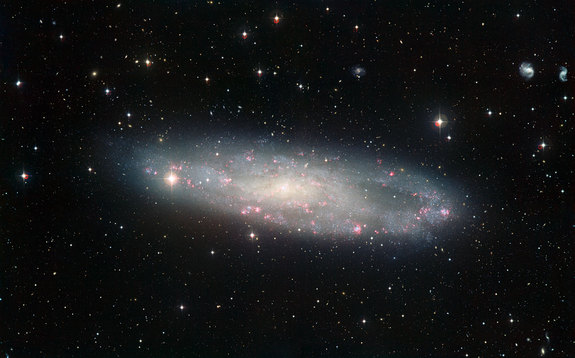
  • Dusty spiral galaxy is closer than once thought

    The star-forming regions of a nearby spiral galaxy glow bright pink in a spectacular new image from a telescope atop a Chilean peak. And the galaxy's actually slightly closer than astronomers once thought, researchers say. The glowing pink clouds seen in the…

  • First cosmic census estimates there are 50 billion planets in Milky Way

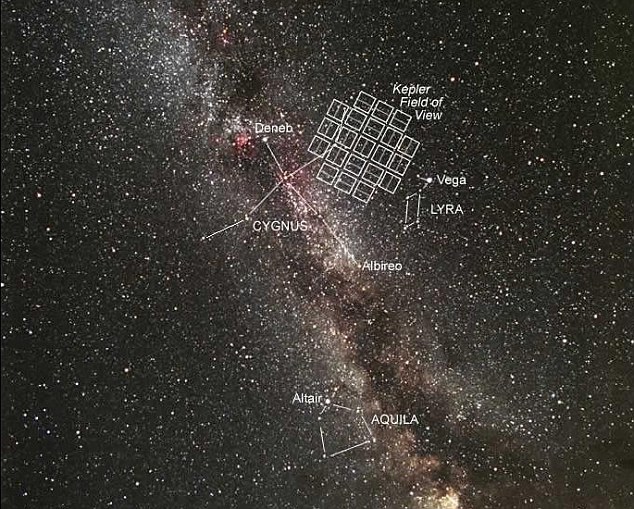
    Scientists have estimated the first cosmic census of planets in our galaxy and the numbers are astronomical – at least 50 billion planets in the Milky Way. And some 500 million of those planets are in what is known as the Goldilocks zone, where the climate is thought