• Ultra-high-energy gamma rays detected from Milky Way’s center reveal extreme cosmic energy

    A recent study of High-Altitude Water Cherenkov (HAWC) observatory data showed a violent mystery in the Milky Way galaxy. Pat Harding, a physicist at Los Alamos and the Department of Energy’s principal investigator for the project said that the results are a glimpse at the center of the Milky Way to an order of magnitude higher energies than ever seen before.
  • A surprising discovery at the heart of the Milky Way galaxy

    An international research team has unveiled a surprising discovery at the heart of the Milky Way galaxy. Under the leadership of Northwestern University’s Farhad Yusef-Zadeh, the scientists discovered a new type of filament near Sagittarius A*, our galaxy’s central supermassive black hole. This marks a significant departure from the vertical filaments previously known to science.

  • Fermi Bubbles measured in visible light for the first time

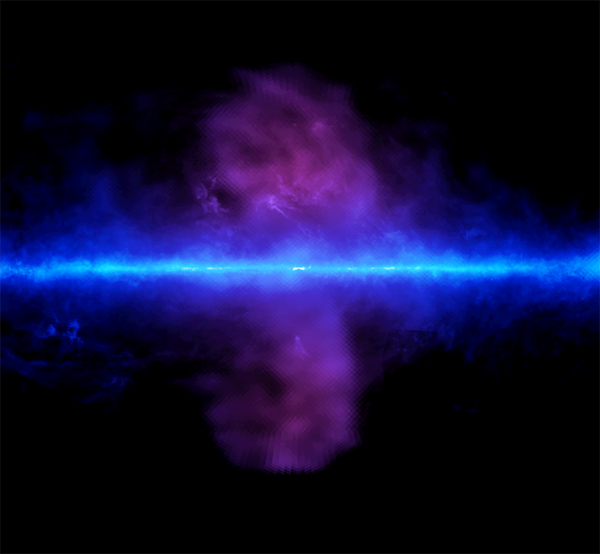
    For the first time, astronomers have observed visible light from two gigantic outflows of high-energy gas in our galaxy, known as Fermi Bubbles. The researchers announced their findings at the 236th meeting of the American Astronomical Society, which was held…

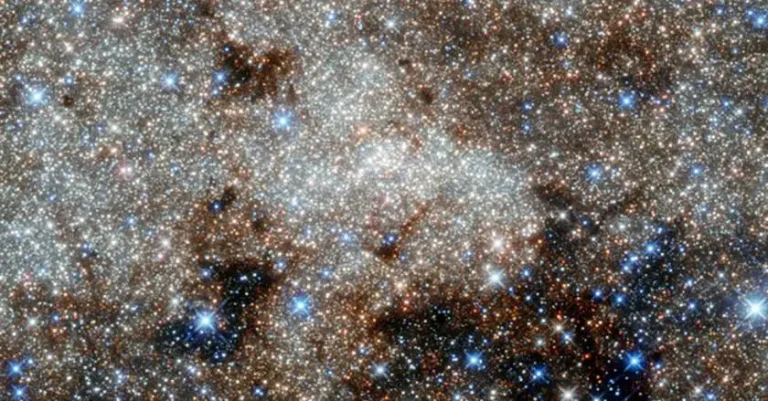
  • Milky Way image reveals gigantic eruption 1 billion years ago

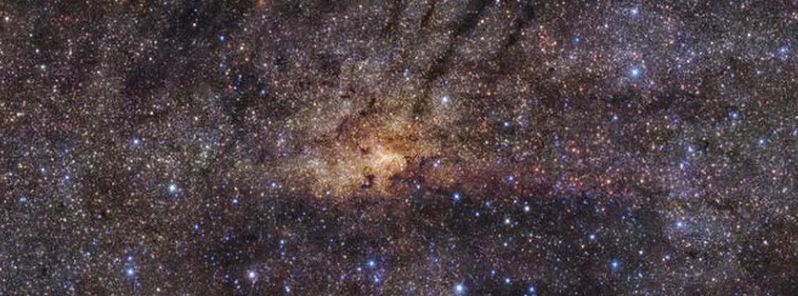
    A groundbreaking survey of more than 700 000 stars near the Milky Way's heart has produced one of the most stunning images of our galaxy– astronomers studying the huge population of stars in the "nuclear disk" theorize that there were two significant…

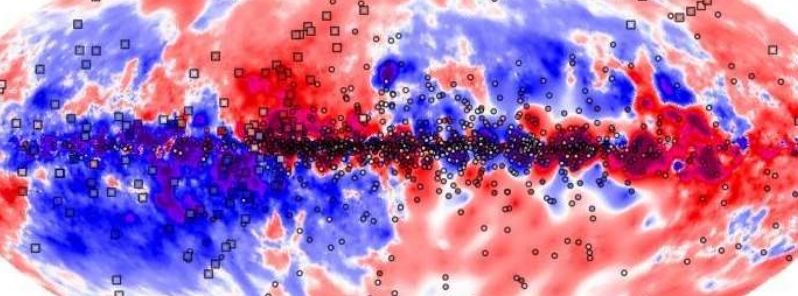
  • Astronomers map Milky Way’s magnetic field

    Astronomers from the Commonwealth Scientific and Industrial Research Organisation (CSIRO) and Curtin University, in collaboration with colleagues from Europe, Canada, and South Africa published the most accurate catalog of measurements towards mapping the Milky…

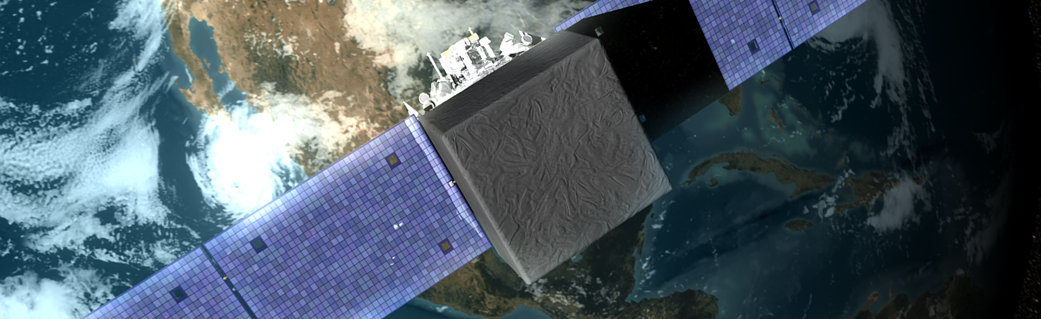
  • Gamma-ray telescopes reveal a high-energy trap in our galaxy’s center

    A combined analysis of data from NASA's Fermi Gamma-ray Space Telescope and the High Energy Stereoscopic System (H.E.S.S.), a ground-based observatory in Namibia, suggests the center of our Milky Way contains a "trap" that concentrates some of the…

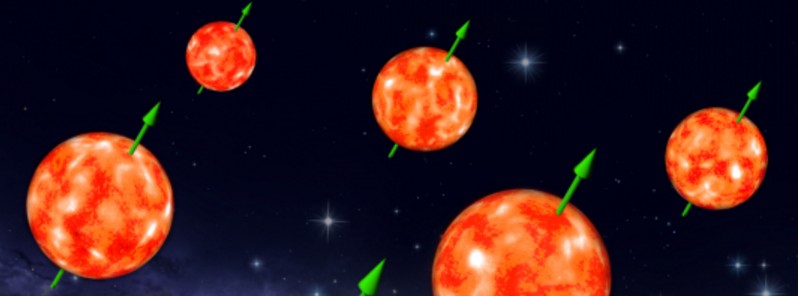
  • Starquakes reveal surprises about the birth of stars

    Just as seismologists use earthquakes to understand the interior of our planet, astronomers use starquakes to understand the interior of stars. In one such study, an international team provided unprecedented insights into conditions in the turbulent gas clouds where…