InSight reveals marsquakes travel through mantle, not crust
NASA’s InSight lander has provided evidence that seismic waves on Mars travel through the planet’s mantle rather than being confined to the crust.

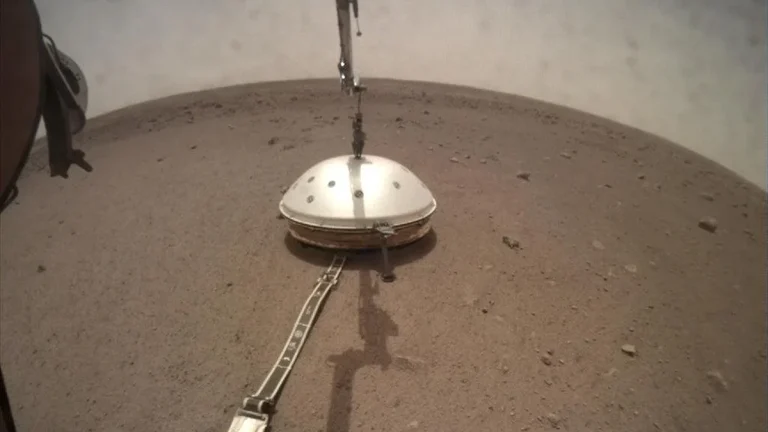
NASA’s InSight lander has provided evidence that seismic waves on Mars travel through the planet’s mantle rather than being confined to the crust.

A team of researchers utilizing data provided by NASA’s InSight mission has confirmed two new seismic events caused by meteoroid impacts on Mars, bringing the total number to 8. The study, employing a combination of seismic data and orbital imagery, has successfully pinpointed fresh impact craters, enhancing our understanding of Martian surface and atmospheric interactions.
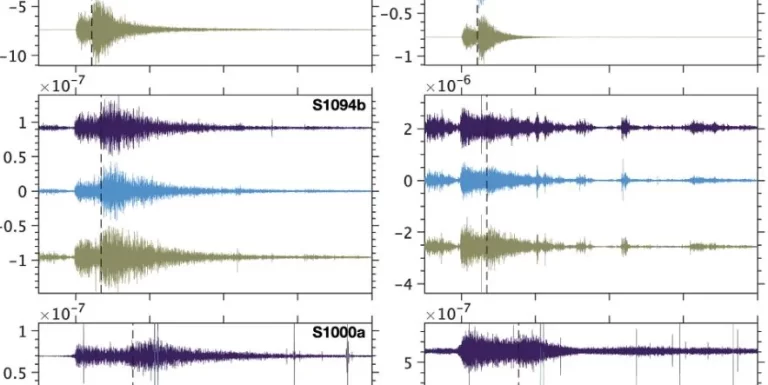
An international team of scientists led by the University of Oxford has identified the largest-ever seismic event on Mars, known as S1222a, to be the result of tectonic forces rather than a meteorite impact. The event was recorded on May 4, 2022, by NASA’s InSight lander.

NASA’s InSight Mars lander has detected the largest quake ever observed on another planet – an estimated M5.0 that occurred on May 4, 2022, the 1 222nd Martian day, or sol, of the mission.
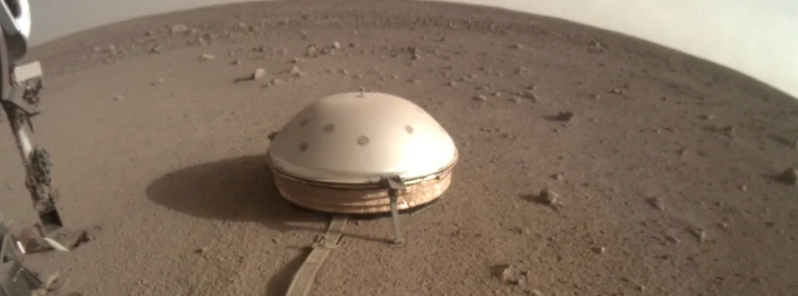
The SEIS seismometer package from the Mars InSight lander has revealed some surprises among more than 500 quakes detected so far on Mars in its first continuous year of data. The findings come from The Marsquake Service, part o the InSight ground team that monitors…
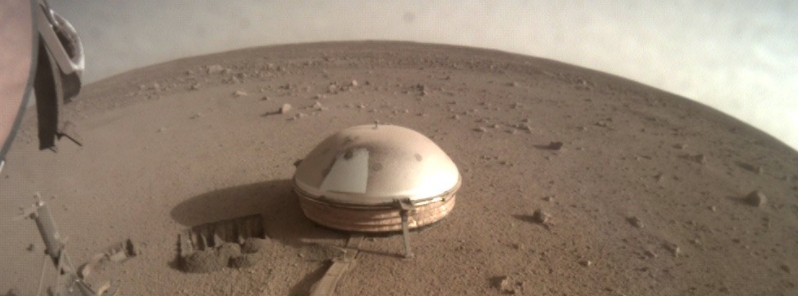
The InSight lander has registered two strong, clear quakes with magnitudes 3.3 and 3.1 in Cerberus Fossae on Mars– the same location where two other powerful tremors with magnitudes 3.6 and 3.5 were detected earlier in the mission. The mission has recorded more…
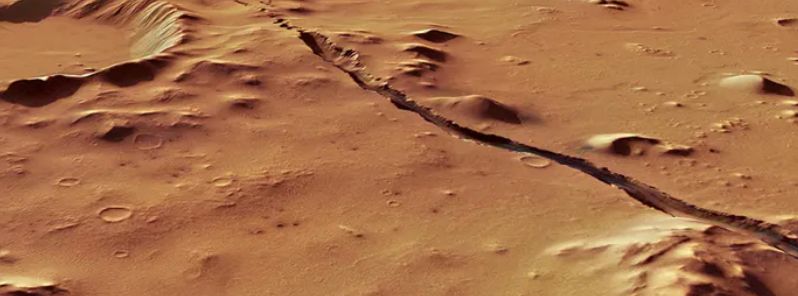
Scientists were able to find the first active fault zone yet on Mars after NASA's InSight mission spacecraft detected marsquakes, with two standing out loud and clear. These events registered between M3 and 4– both were from an area called Cerberus Fossae– a…
