• Volcanic eruption starts near Grindavik, Reykjanes Peninsula, Iceland

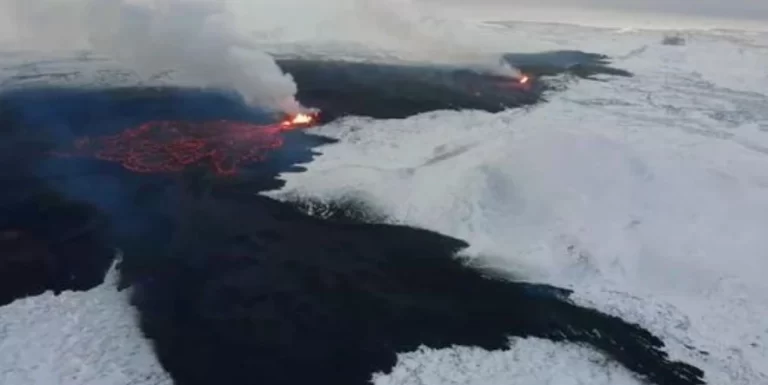
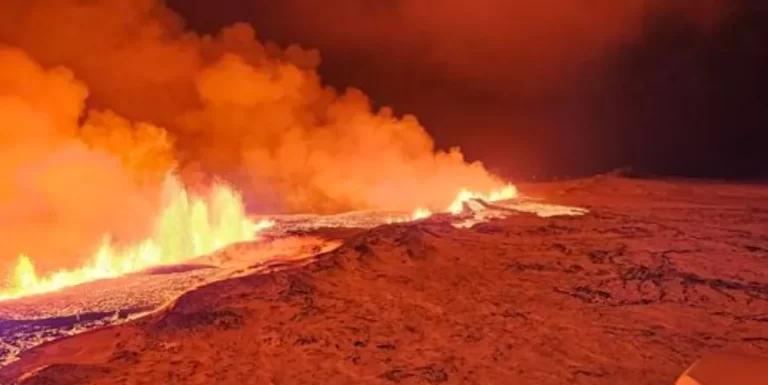
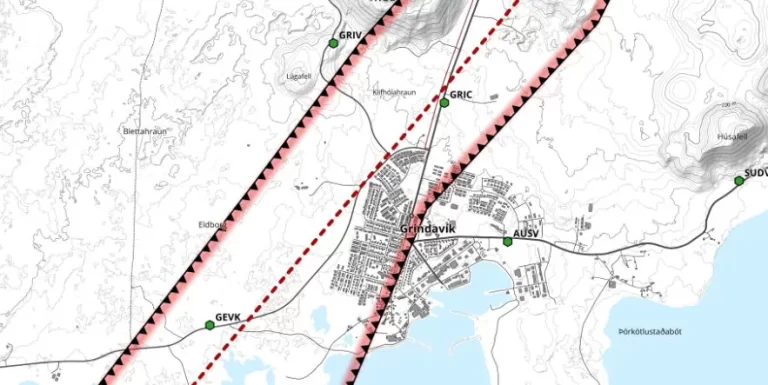
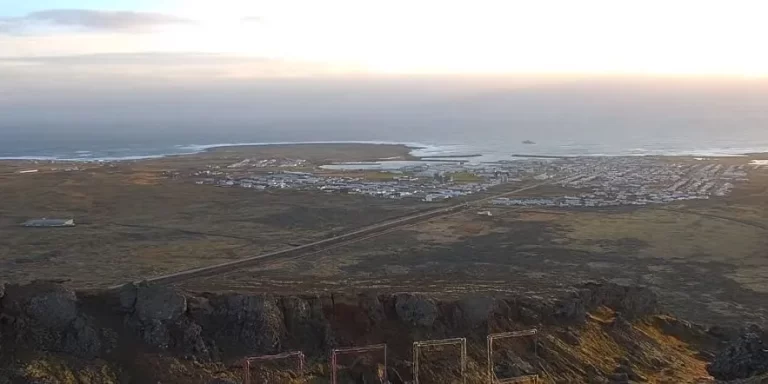
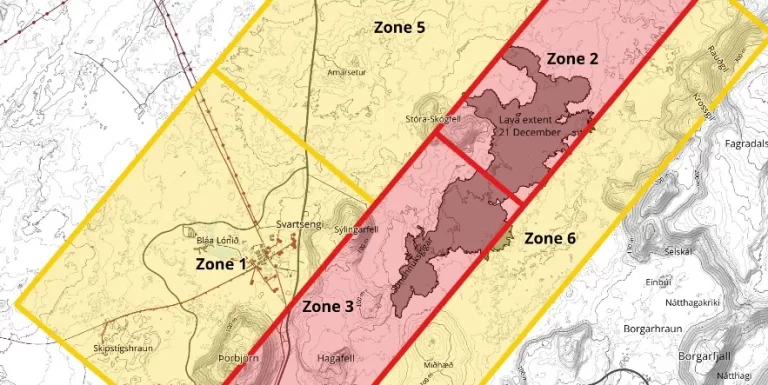
    A new volcanic fissure eruption started at 22:17 UTC on December 18, 2023, about 4 km (2.5 miles) NE of the town of Grindavik, Reykjanes, Iceland. The eruptive fissure is about 4 km long, with the northern end just east of Stóra-Skógfell and the southern end just east of Sundhnúk.

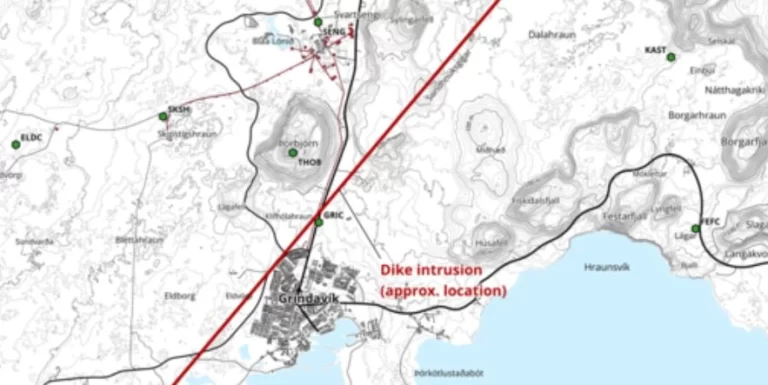
  • High risk of eruption near Grindavík: 15-km long magma intrusion identified northwest of town, Iceland

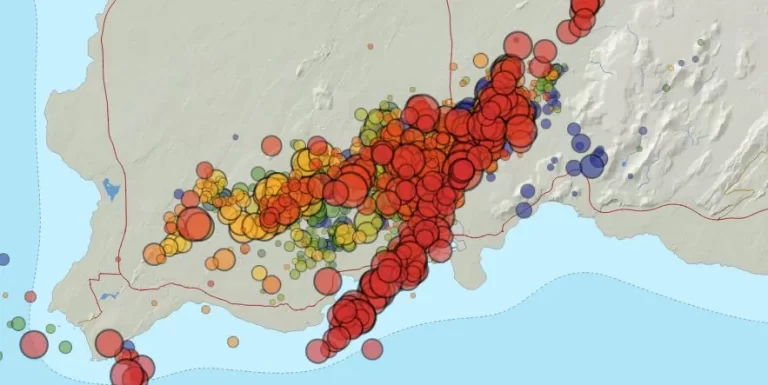
    A new update from the Icelandic Meteorological Office (IMO) at 18:30 UTC today has raised significant concerns about an imminent volcanic eruption near Grindavík on the Reykjanes Peninsula. The latest data, stemming from a crucial status meeting involving the IMO, the University of Iceland, and the Department of Civil Protection and Emergency Management, points to a substantial risk of volcanic activity in the coming days.

  • Emergency declared as record-high magma accumulation and intense earthquake swarm force Grindavík evacuation, Iceland

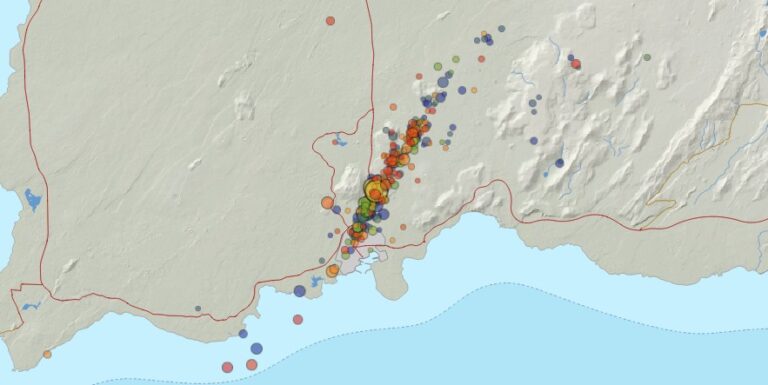
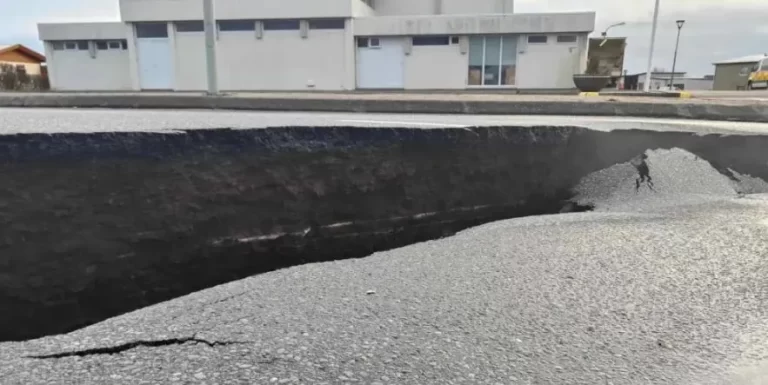
    In response to a significant escalation in seismo-volcanic activity on the Reykjanes Peninsula in Iceland, characterized by an exceptional accumulation of magma, the intrusion of a substantial dike, and an intense earthquake swarm, the Icelandic Meteorological Office (IMO) and Civil Defense authorities have implemented critical safety protocols on November 10, 2023. These measures include the mandatory evacuation of Grindavík and the proclamation of a state of emergency

  • IMO confirms continued inflation, seismic unrest at Mt. Þorbjörn, Iceland

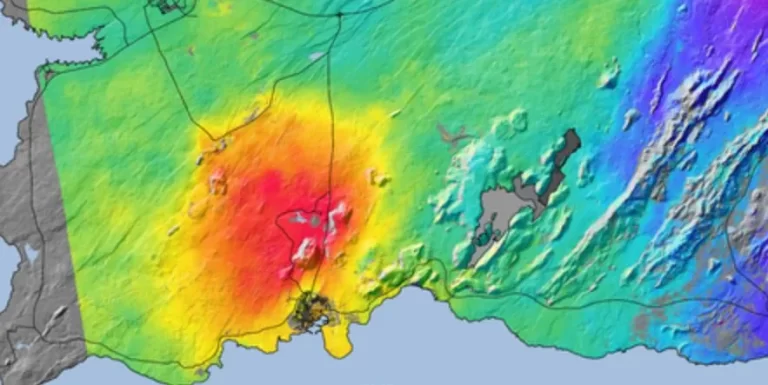
    The Icelandic Met Office (IMO) has issued an update on the seismic and volcanic activity at Mt. Þorbjörn on the Reykjanes Peninsula, providing new data on the ongoing seismic unrest that began in late October. The uplift at the GNSS station has seen additional enlargements since the 7 cm rise previously reported over a 10-day period, reflecting continued subterranean pressure changes. The IMO, alongside the Civil Protection Agency, remains on high alert for signs of magma ascent, which could indicate a new phase in the volcanic activity of the area.