• High levels of sulfur dioxide emissions in Reykjanes Peninsula, Iceland

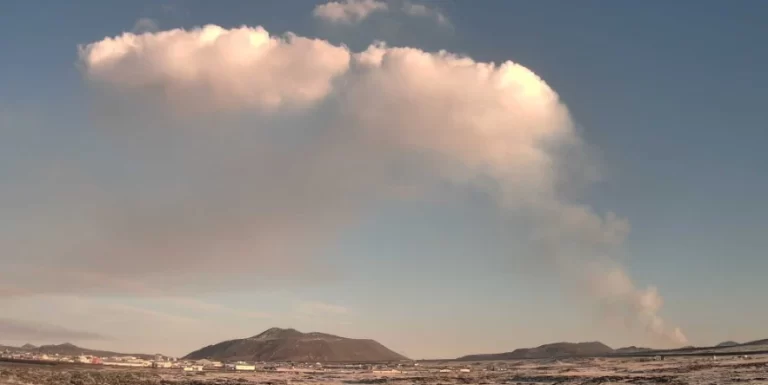
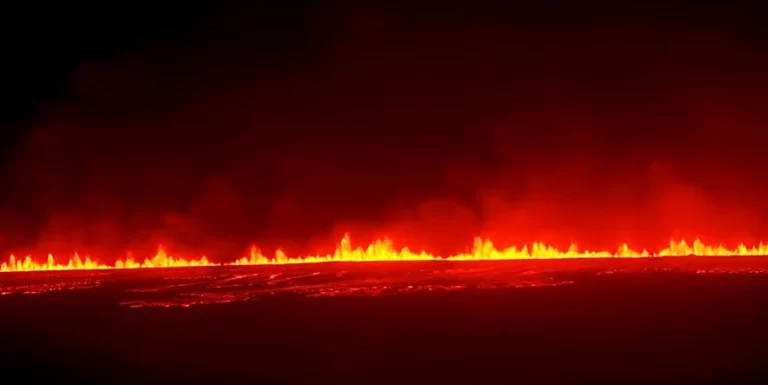
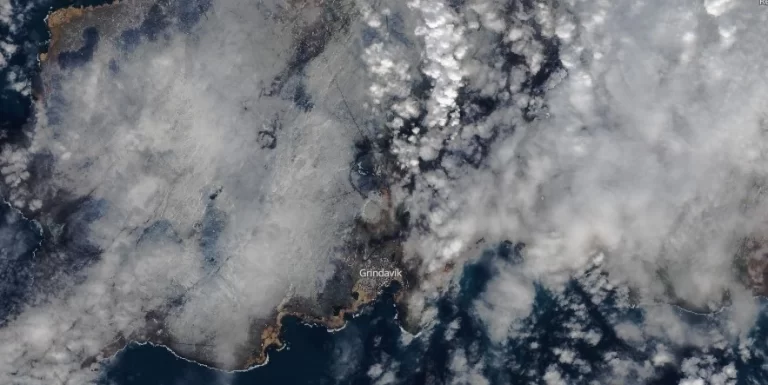
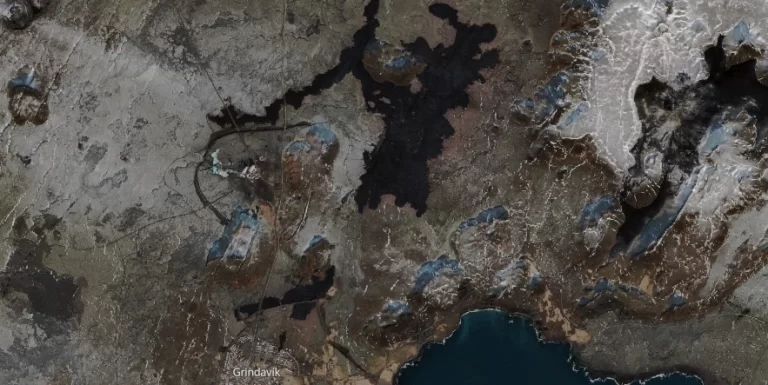
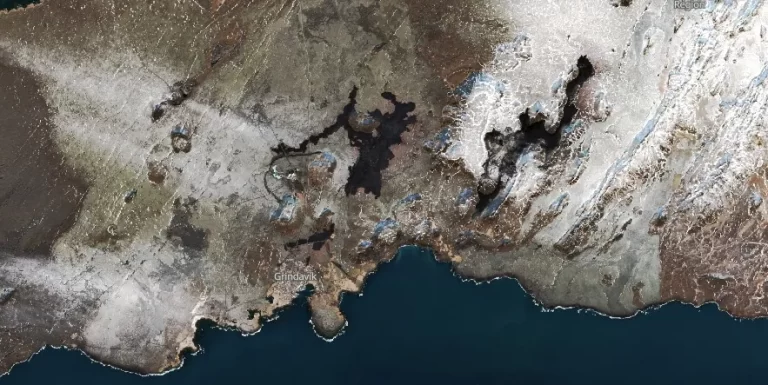
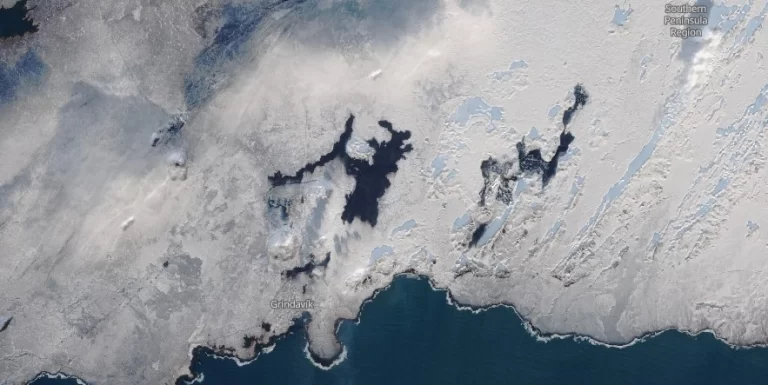
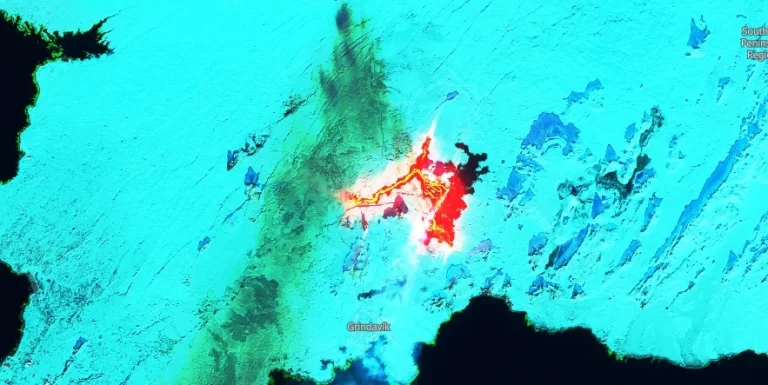
    The eruption that began in Reykjanes Peninsula on March 16, 2024, continues at stable levels. However, the Icelandic Met Office (IMO) has been detecting very unhealthy levels of sulfur dioxide pollution over the past couple of days. Residents are urged to follow instructions provided by the Environment Agency of Iceland and the Office of the National Medical Examiner.

  • Volcanic sulfur dioxide emissions from Iceland reach continental Europe

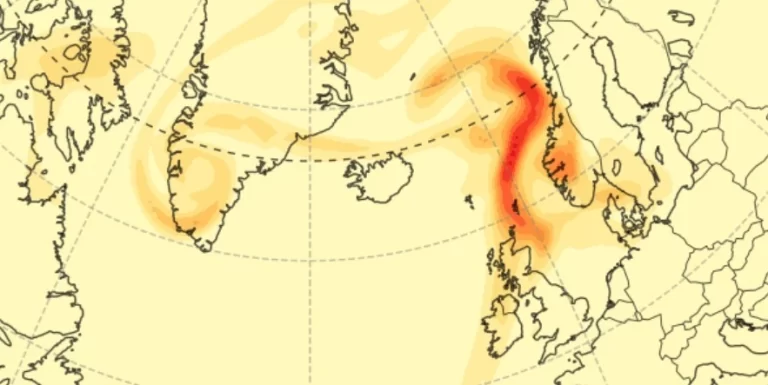
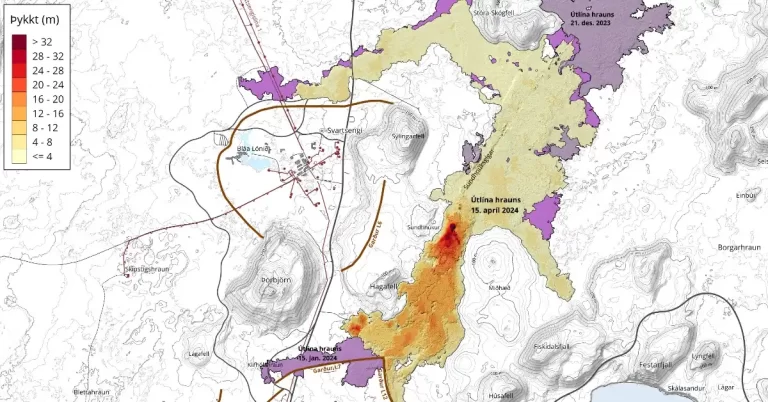
    The volcanic eruption that started in Reykjanes Peninsula, Iceland on March 16, 2024, continues at a fairly constant rate, marking the most substantial activity in the region with four registered eruptions since December 2023. This event has caught the attention of the Copernicus Atmosphere Monitoring Service (CAMS) due to the large volumes of sulfur dioxide (SO2) released into the atmosphere.

  • Bad weather disrupts seismic monitoring, magma volume at Svartsengi increasing, Iceland

    Unfavorable weather conditions have disrupted the earthquake monitoring system on Reykjanes Peninsula by dampening small events, resulting in a lower number of detected earthquakes since Saturday, March 2, 2024. Nevertheless, the volume of magma beneath Svartsengi continues to increase, which could result in a new dike intrusion and possibly an eruption with very short notice.

  • Magma volume under Svartsengi approaches eruption threshold, Iceland

    Updated modeling shows Svartsengi’s magma volume reached 7.6 million m³ (268.3 million ft³) on February 26, 2024, and is now near or at the eruption threshold. With seismic activity increasing, particularly east of Sýlingarfell, the Norwegian Meteorological Agency has raised risk assessments, marking the Sundhnjúka crater series at high risk and adjusting other zones accordingly.