• Study reveals how solar heat affects earthquake activity

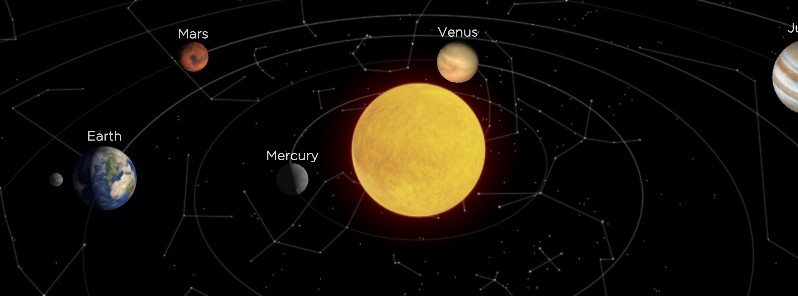
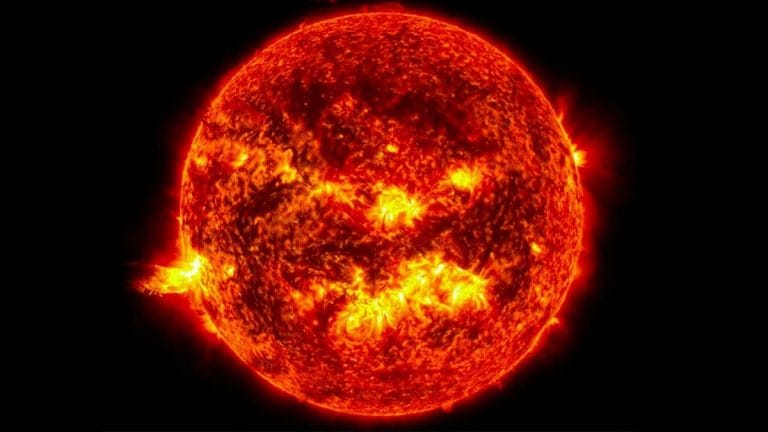
    A new study by researchers at the University of Tsukuba examined the role of solar heat in earthquake activity. By analyzing seasonal variations in seismicity, correlations between solar activity and earthquakes, and the influence of atmospheric temperature on earthquake predictability, the study provides new insights into how solar-driven thermal effects may contribute to stress changes in the Earth’s lithosphere.


  • Researchers develop new algorithms to enhance earthquake forecasting

    A study published in Seismological Research Letters on October 11, 2024, presents new algorithms to enhance earthquake forecasting, marking a significant advancement in understanding how seismic activity escalates before major earthquakes. These improvements in medium-term forecasting hold crucial implications for public preparedness and effective risk management, particularly in earthquake-prone regions.

  • Researchers develop equations for earthquake forecasting

    A group of researchers at the Lyell Centre in Edinburgh formulated a way to use math formulas to help forecast earthquakes. The team describes translating the movement of a particular type of rock to mathematical equations, leading to the development of a predictive…

  • Study links big earthquakes to Earth-Moon-Sun alignments

    In a new study published in Nature Geoscience yesterday, Japanese researchers have found that many of the largest earthquakes occurred near the time of maximum tidal strain — or during new and full moons when the Sun, Moon, and Earth align. The possibility…