
MIT study finds 80% of earthquake energy converts to heat
MIT geologists quantified the full energy budget of laboratory earthquakes, showing that up to 80% of energy converts to heat, according to a study published on August 28, 2025 in AGU Advances.
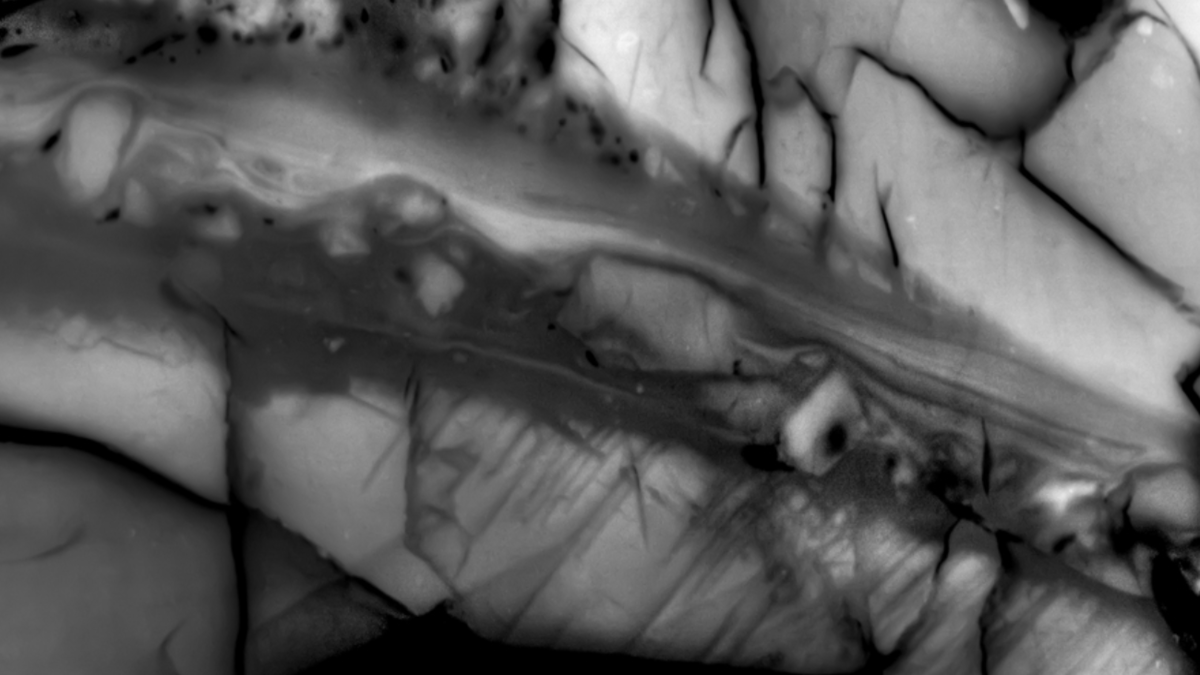
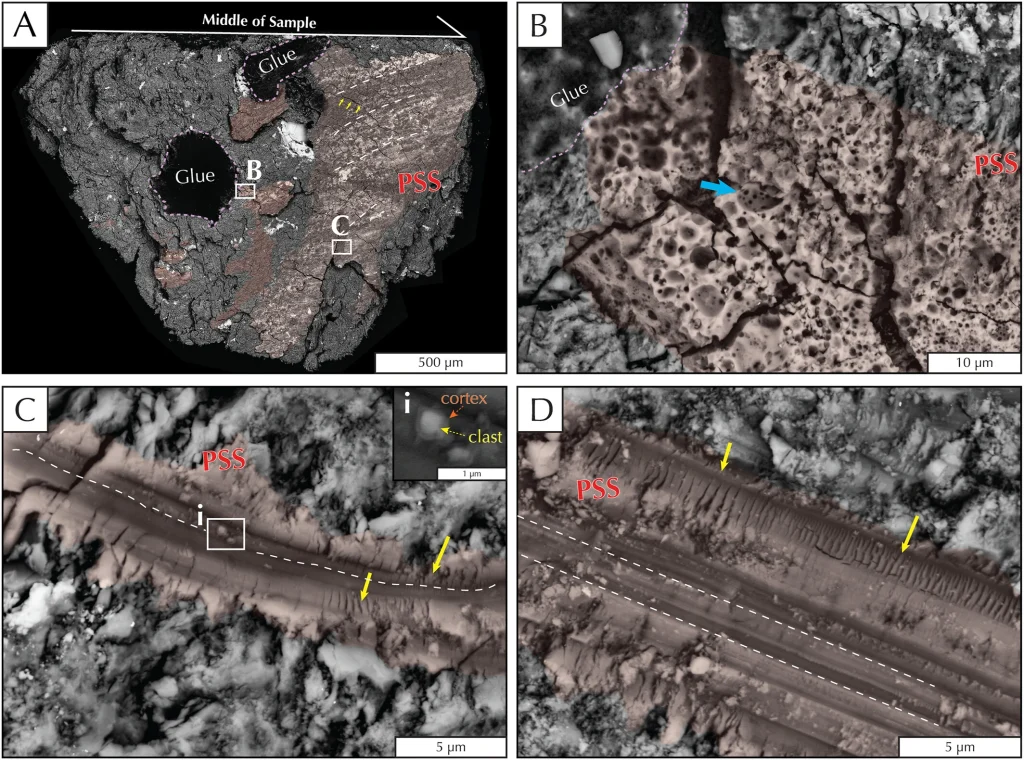
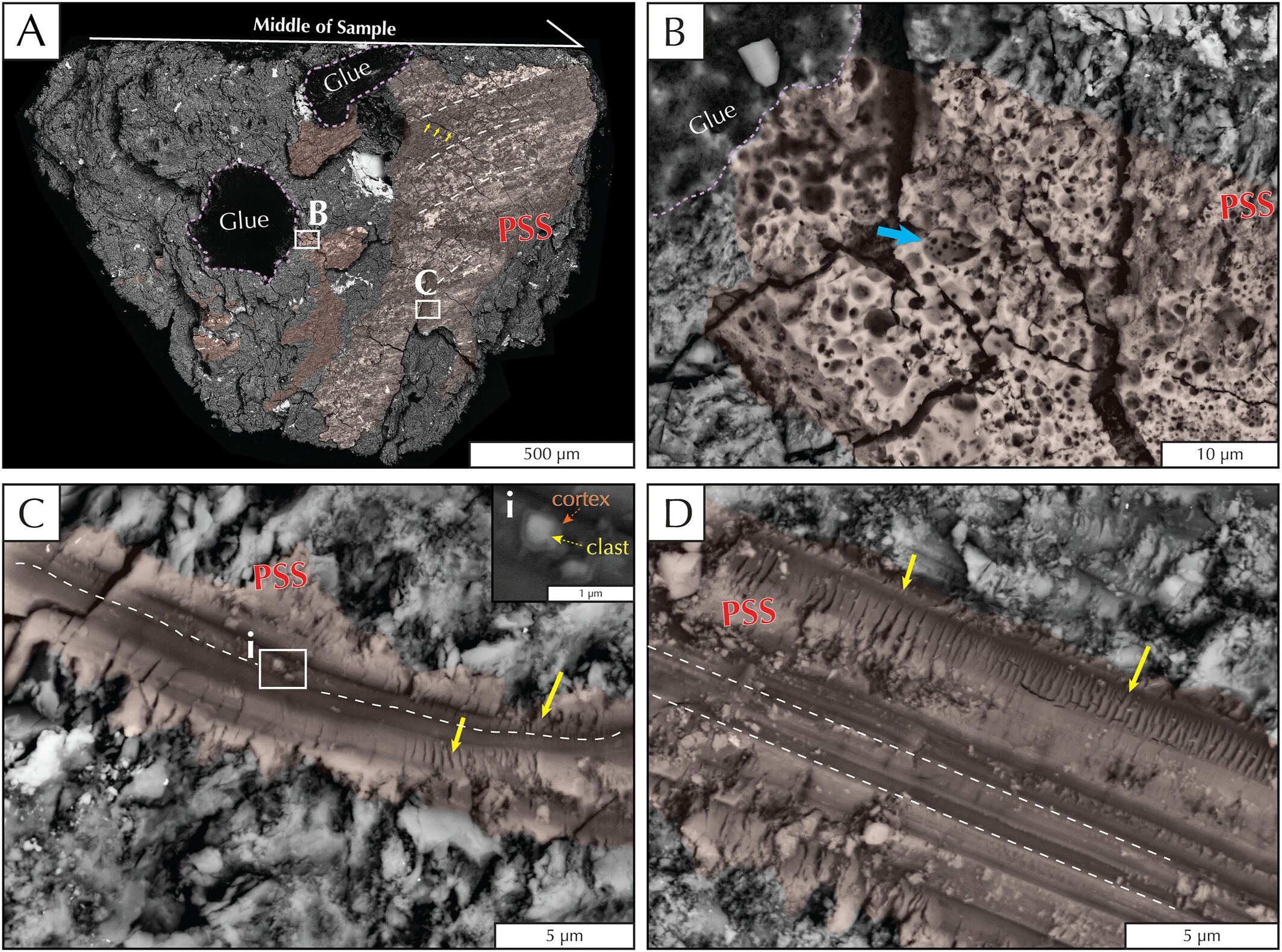
A scanning electron photomicrograph highlights a region of rock that slipped during a laboratory-induced earthquake. The “flowy” central area represents a portion of the rock that was melted and turned into glass due to intense frictional heating. Credit: Daniel Ortega-Arroyo et al.
When an earthquake strikes, the violent shaking we feel is only a fraction of the total energy released. New experiments show that the majority, about 80%, is lost as heat within the fault zone.
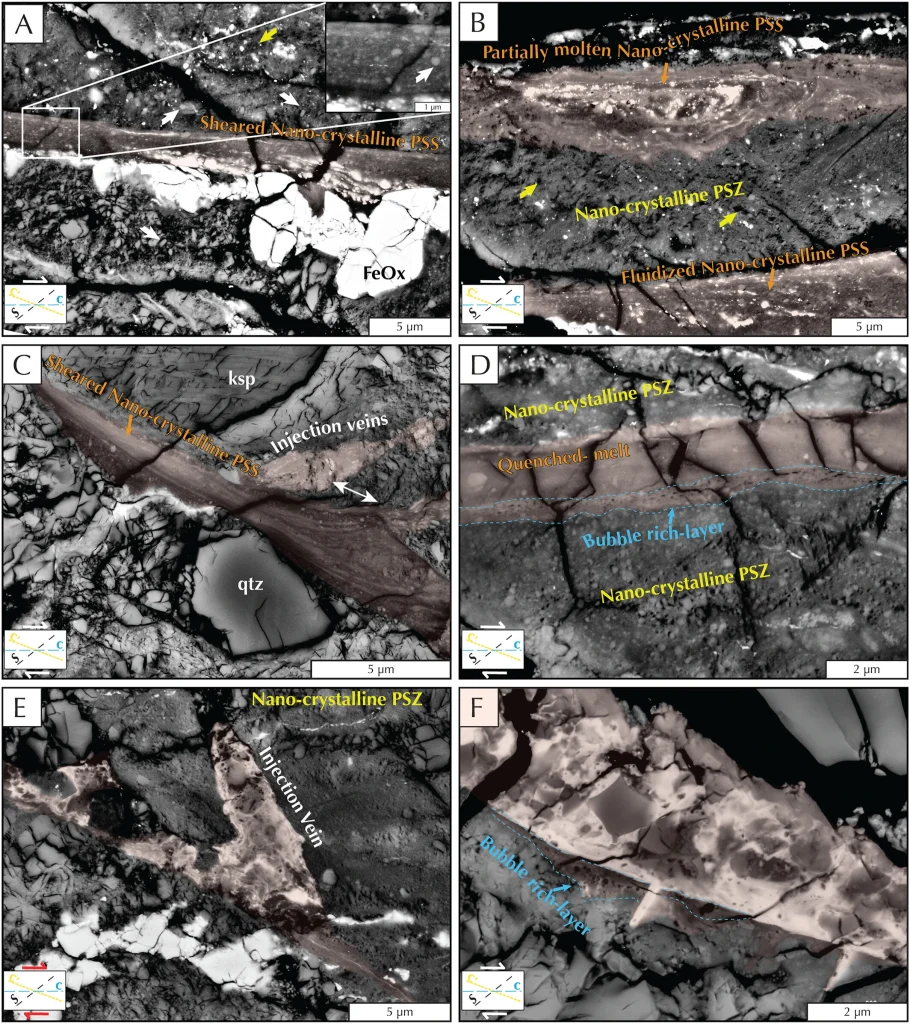
Only 10% is released as seismic waves, and less than 1% goes into fracturing rock. In some cases, temperatures spiked to 1 200°C (2 190°F) within microseconds, hot enough to temporarily melt the surrounding rock before it cooled again.
This discovery helps explain why some powerful quakes produce less shaking than expected and why faults can be reshaped by intense heating deep underground.
Fault “memory” shapes earthquakes
The MIT team also found that a fault’s past strongly influences how it spends its energy. Rocks with a long history of deformation produced different energy balances compared with relatively intact samples.
“The deformation history, essentially what the rock remembers, really influences how destructive an earthquake could be,” said Daniel Ortega-Arroyo, graduate student in MIT’s Department of Earth, Atmospheric and Planetary Sciences (EAPS).
This suggests that faults with a history of strong stress drops may radiate a larger share of their energy as shaking, raising the risk for nearby populations.
 Additional Stick-Slip-only Microstructures. Credit: Lab-Quakes”: Quantifying the Complete Energy Budget of High-Pressure Laboratory Failure, Daniel Ortega-Arroyo
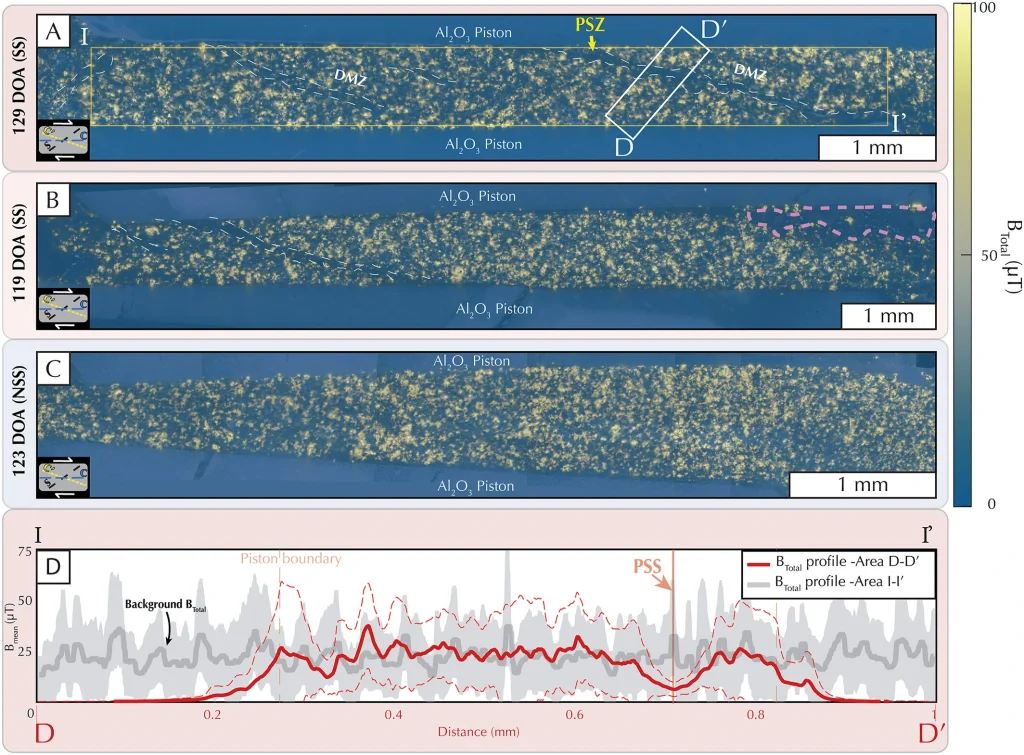
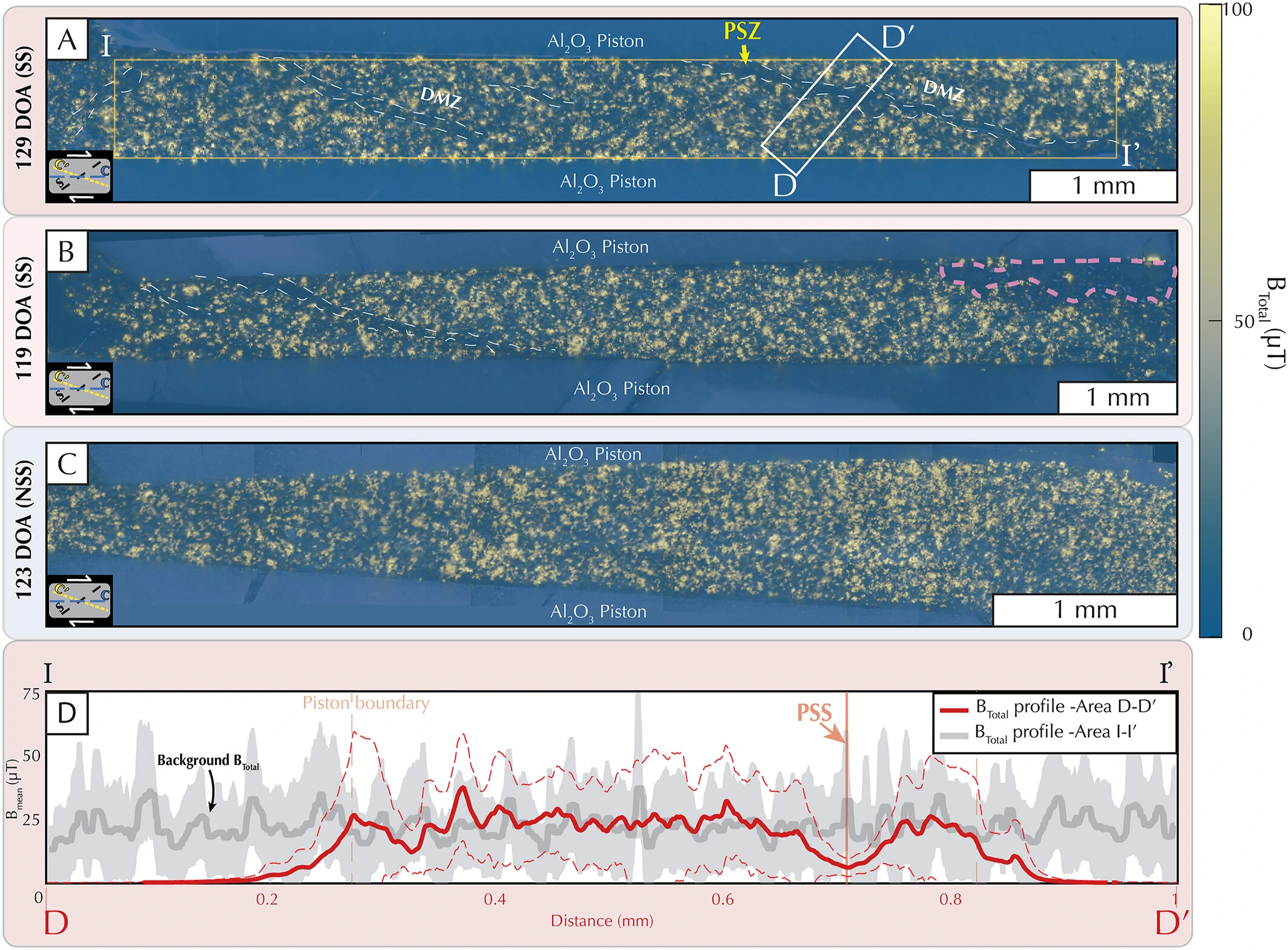
- QDM maps of SS samples. Credit: Lab-Quakes”: Quantifying the Complete Energy Budget of High-Pressure Laboratory Failure, Daniel Ortega-Arroyo
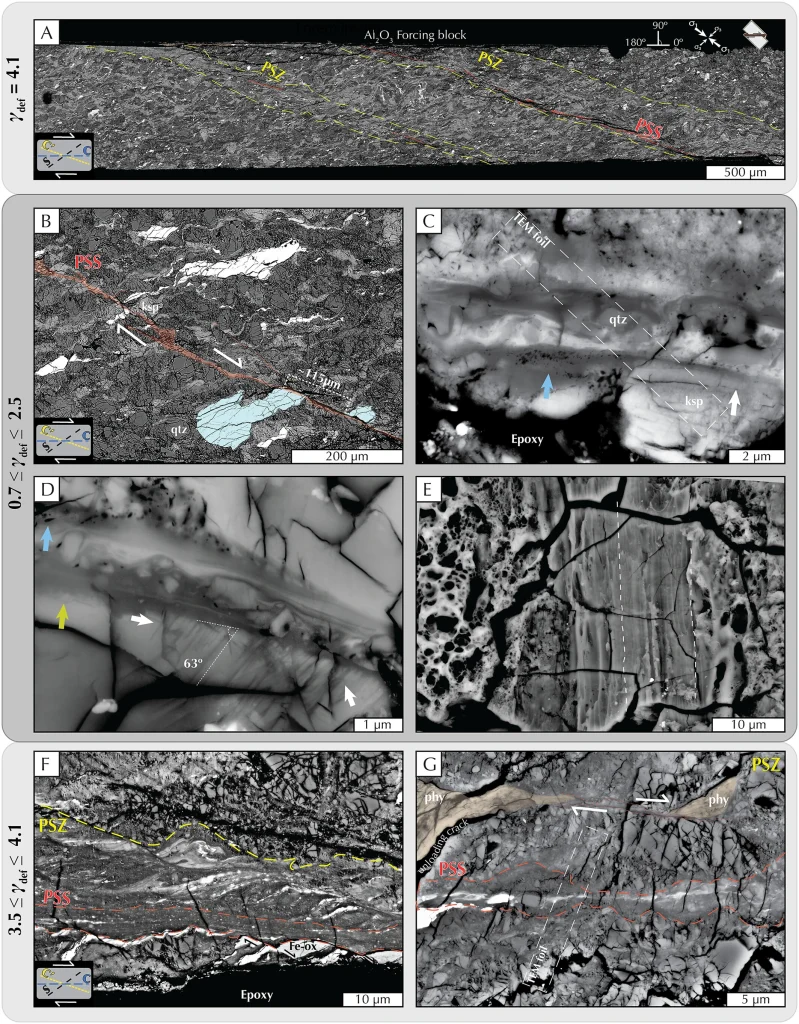
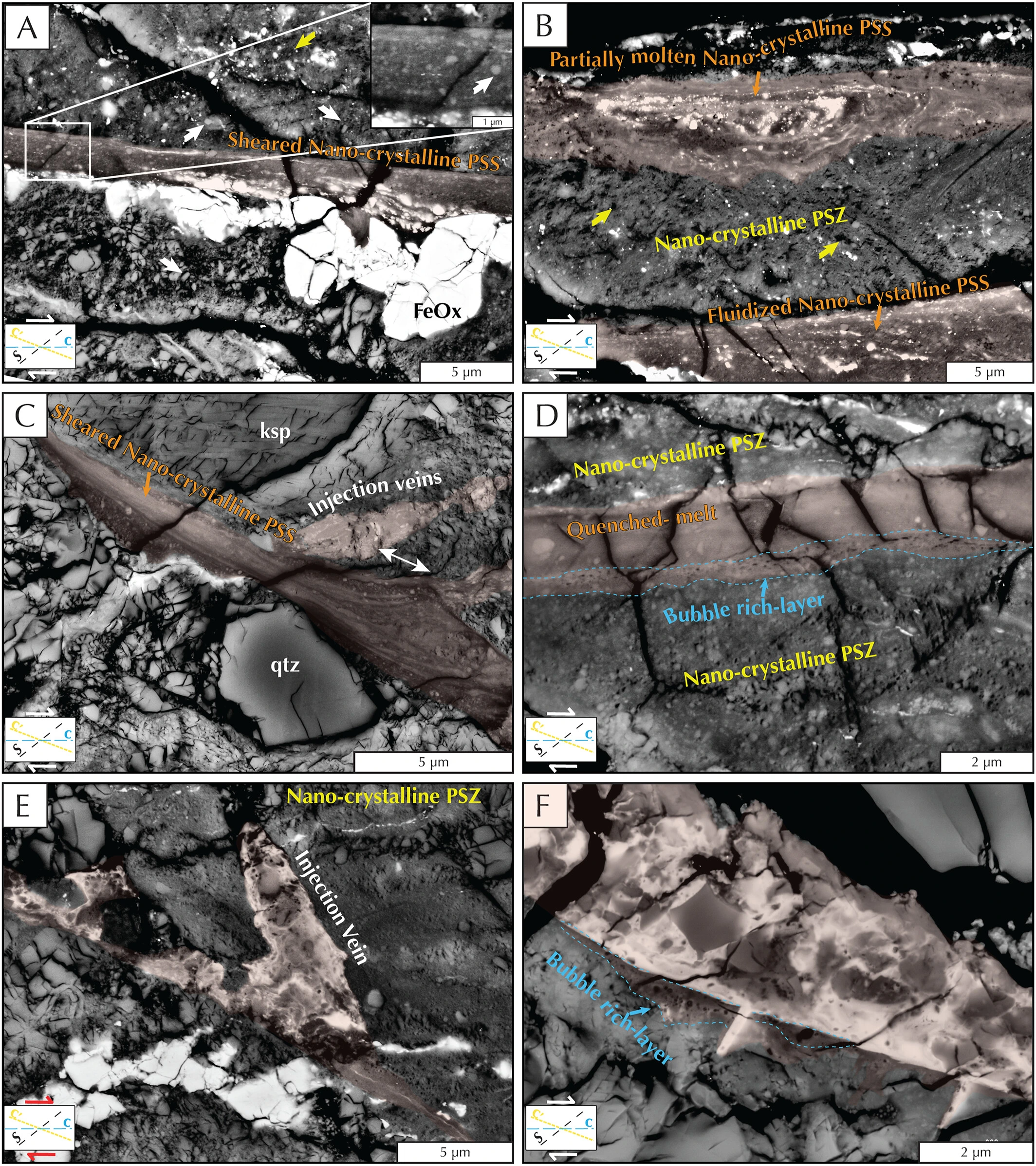
- Stick-Slip Microstructures. Credit: Lab-Quakes”: Quantifying the Complete Energy Budget of High-Pressure Laboratory Failure, Daniel Ortega-Arroyo
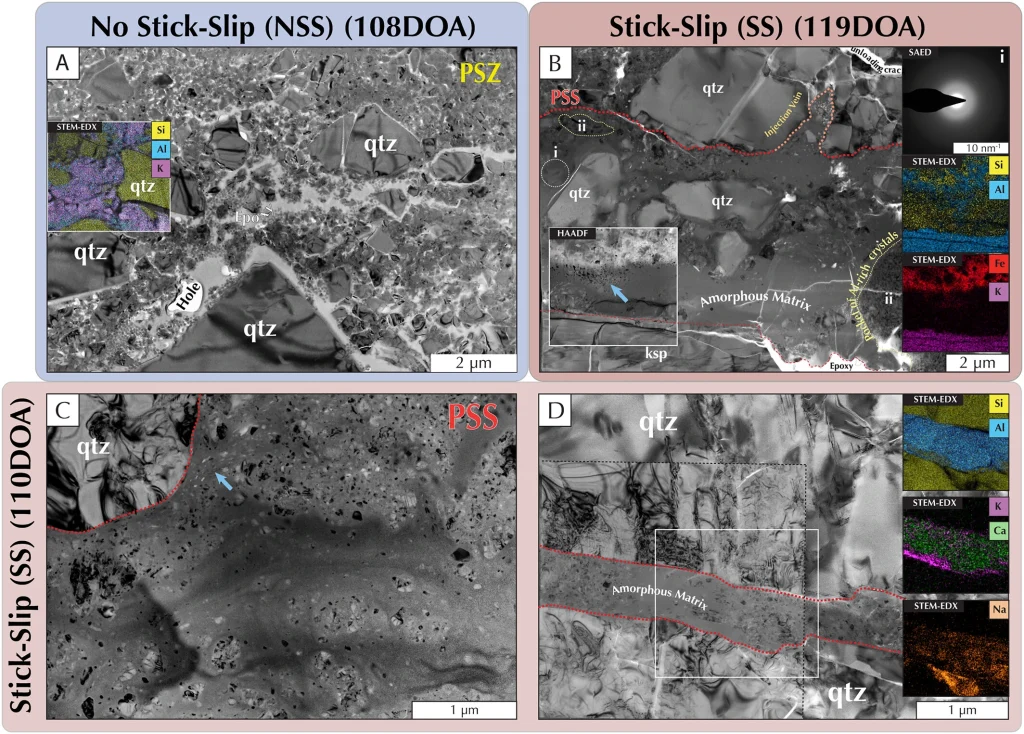
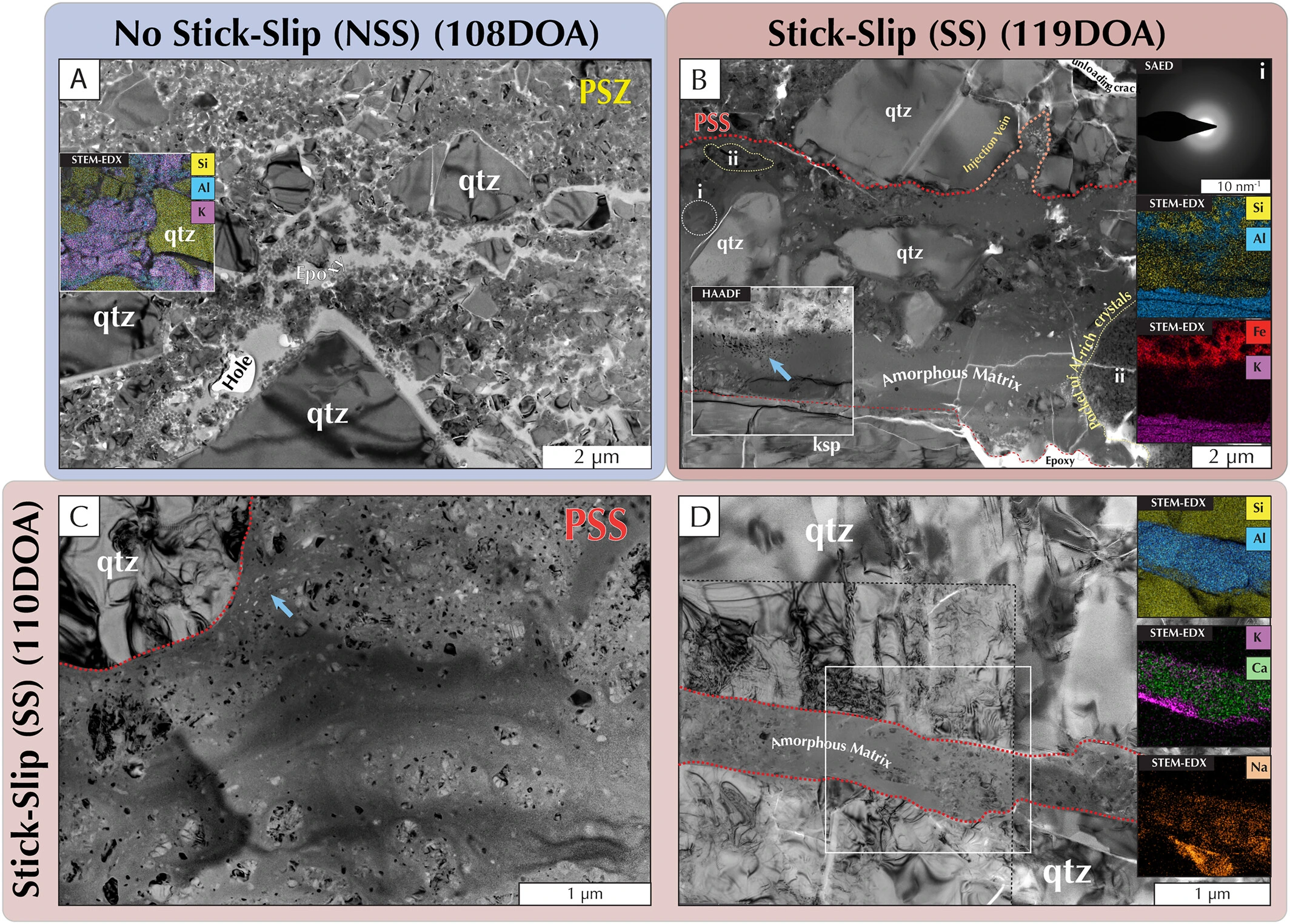
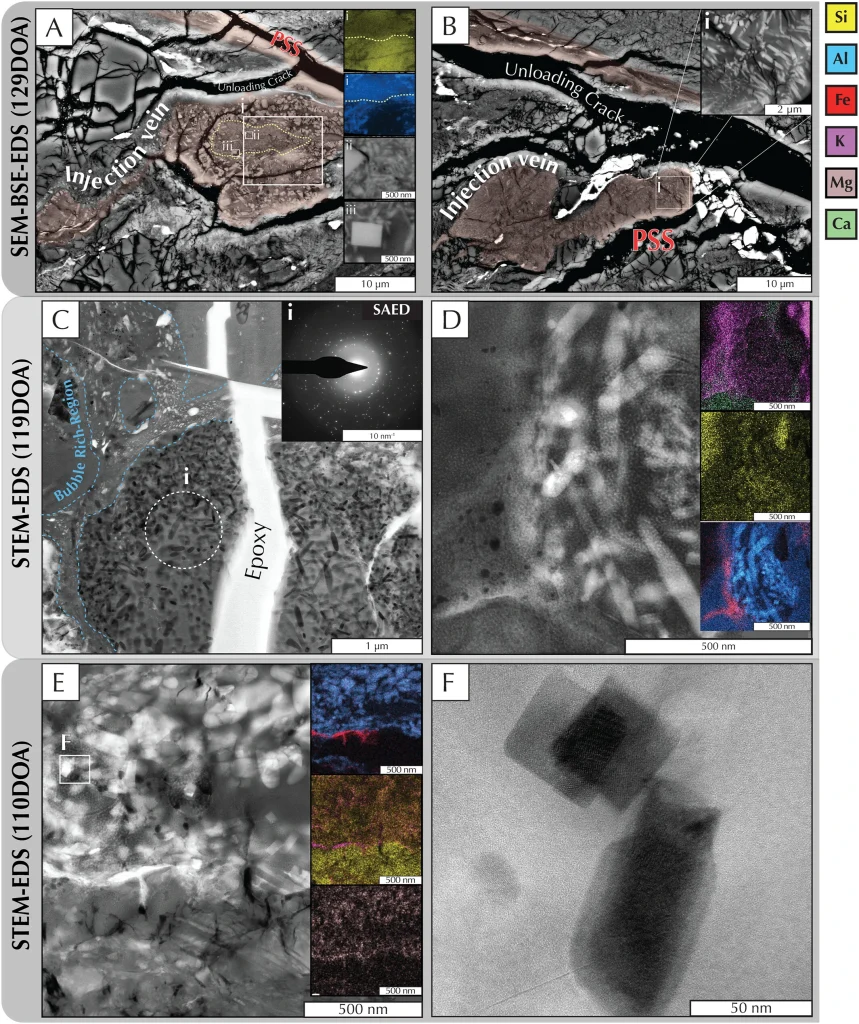
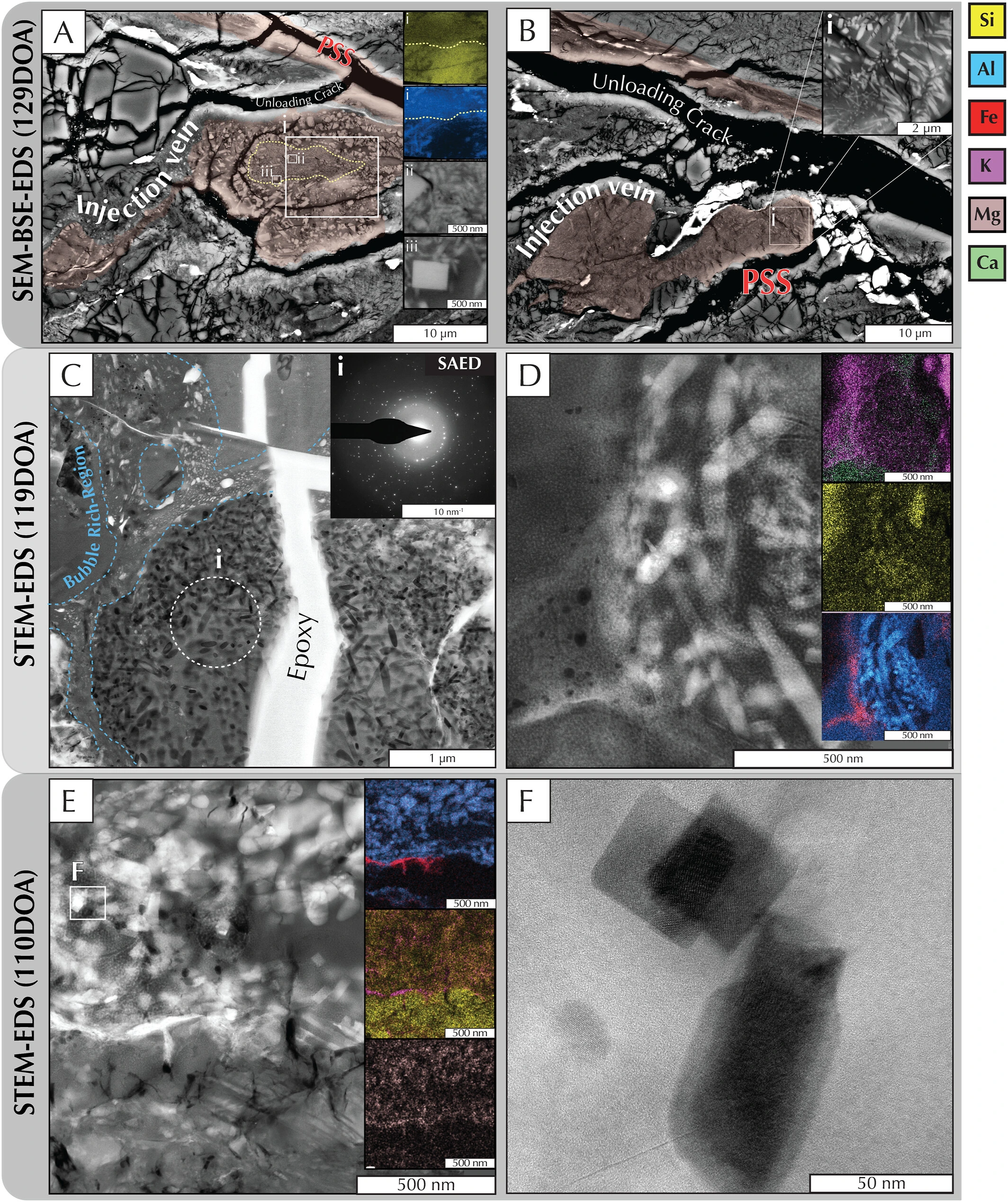
- TEM-photomicrographs of PSZs and PSS. Credit: Lab-Quakes”: Quantifying the Complete Energy Budget of High-Pressure Laboratory Failure, Daniel Ortega-Arroyo

Why this matters for seismic hazard
Accurately estimating how energy is divided among heat, shaking, and fracturing is central to earthquake science. Hazard models today rely heavily on ground-shaking records, but heating and deep fault damage remain hidden from seismometers.
“Our experiments offer an integrated approach that provides one of the most complete views of the physics of earthquake-like ruptures in rocks to date,” said Matěj Peč, associate professor of geophysics at MIT.
By filling in the missing parts of the earthquake energy budget, the study provides a framework that could make forecasts of seismic hazard more realistic. If scientists can reconstruct how faults behaved in past quakes, they may better anticipate how much shaking future events will unleash.
How MIT recreated earthquakes in the lab
To quantify this hidden energy, researchers created miniature “lab quakes.” They used powdered granite, a crustal rock common at depths of 10–20 km (6–12 miles), mixed with tiny magnetic particles.
These magnetic particles served as thermometers because their magnetic field strength changes with temperature. The mixture was placed between gold-wrapped pistons and subjected to pressures found in the seismogenic layer of Earth’s crust.
As stress built up, the samples suddenly slipped, releasing stored energy. Sensors measured the shaking, magnetic signals revealed heat production, and microscopes showed how grains fractured.
In one case, a fault slipped by about 100 microns (0.1 mm) at 10 m/s (33 ft/s). That slip caused a flash of heating that briefly melted the sample before cooling within microseconds.
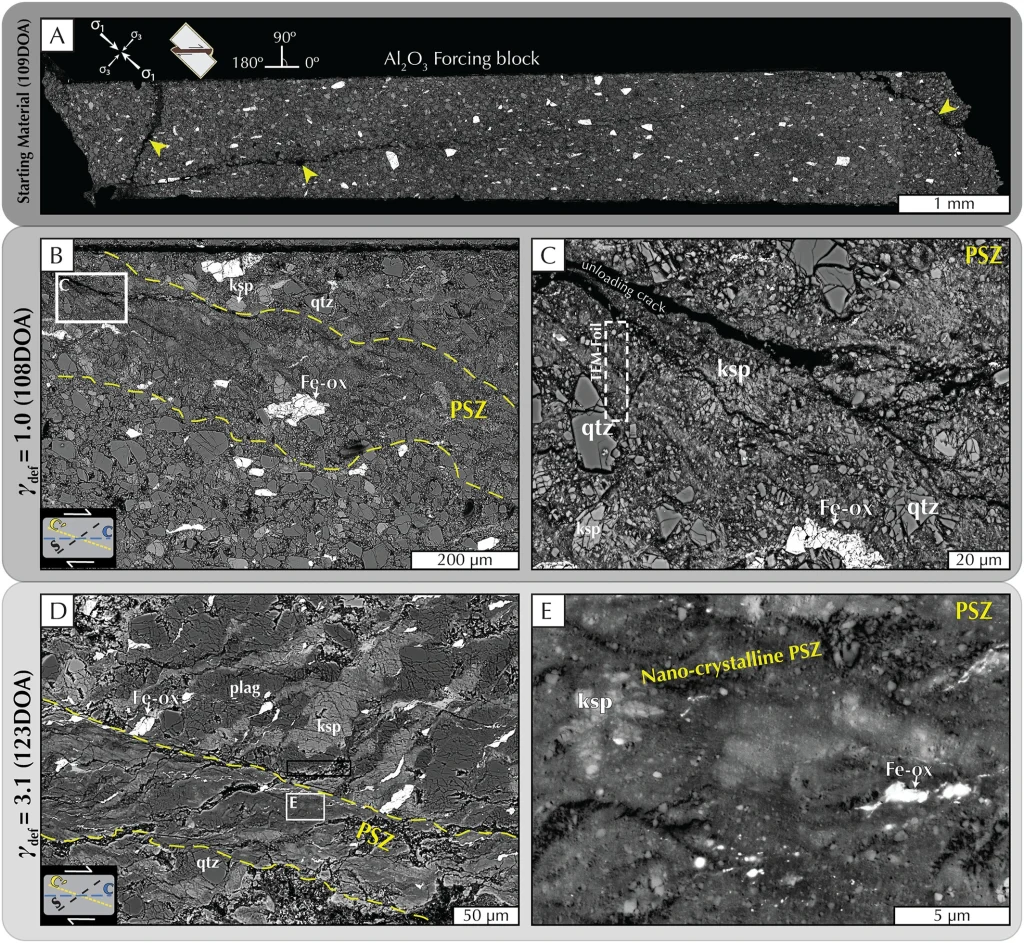
- Pre-Stick-slip Microstructures. Credit: Lab-Quakes”: Quantifying the Complete Energy Budget of High-Pressure Laboratory Failure, Daniel Ortega-Arroyo
- Fault Surface Microstructures under SEM-BSE. Credit: Lab-Quakes”: Quantifying the Complete Energy Budget of High-Pressure Laboratory Failure, Daniel Ortega-Arroyo
- Neo-formed Al-rich crystallites in PSS. Credit: Lab-Quakes”: Quantifying the Complete Energy Budget of High-Pressure Laboratory Failure, Daniel Ortega-Arroyo

The bigger picture
Earthquakes are often described in terms of shaking intensity, but this study shows they are primarily heating events. The energy balance is far from uniform: fault history, stress levels, and rock properties determine how much energy radiates outward versus vanishes underground.
By isolating these processes in the lab, MIT scientists have provided the clearest picture yet of how earthquake energy is partitioned. While scaling up from millimeter samples to kilometer-scale quakes remains a challenge, the results offer a foundation for improving global seismic hazard models.
References:
1 “Lab-Quakes”: Quantifying the Complete Energy Budget of High-Pressure Laboratory Failure – Daniel Ortega-Arroyo – August 28, 2025 – Daniel Ortega-Arroyo – https://doi.org/10.1029/2025AV001683 – OPEN ACCESS
2 MIT geologists discover where energy goes during an earthquake – MIT News – September 16, 2025

I’m a science journalist and researcher at The Watchers, contributing to the Epicenter edition, where I cover peer-reviewed scientific research and emerging discoveries across Earth and space sciences. With a background in astronomy and a passion for environmental science, I’ve worked in shark and coral conservation in Fiji, conducting reef and shark-behavior research, contributing to mangrove restoration, and earning PADI Open Water and Coral Reef Certifications. I bring a blend of scientific rigor and storytelling to illuminate the discoveries shaping our planet and beyond.

Commenting rules and guidelines
We value the thoughts and opinions of our readers and welcome healthy discussions on our website. In order to maintain a respectful and positive community, we ask that all commenters follow these rules.