
Artemis II astronauts to orbit the Moon as both researchers and study subjects
Astronauts are expected to travel around the Moon for the first time in more than 50 years during NASA’s Artemis II mission, scheduled for 2026. The crew will orbit the Moon aboard the Orion spacecraft, providing data on the effects of deep space travel on humans that will guide planning for future missions.
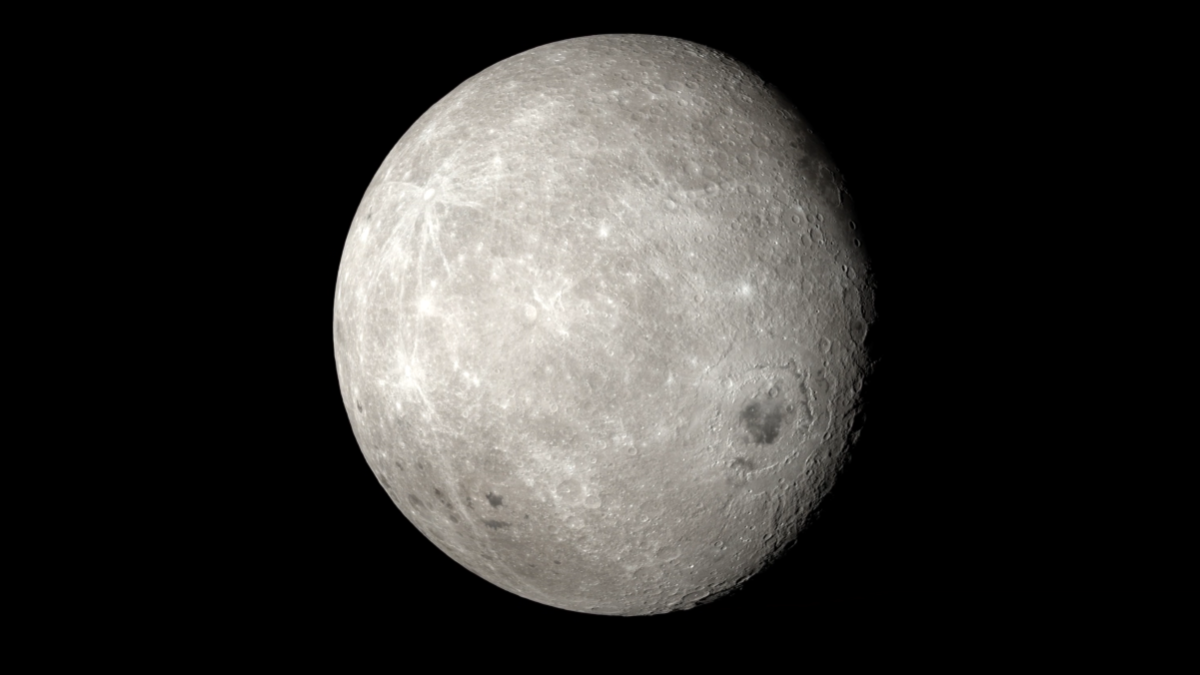
Image credit: NASA
Being an astronaut isn’t easy, sometimes you have to be a scientist and the test subject at the same time. At least that’s what will happen to the astronauts on the ARTEMIS II mission in April 2026, according to NASA.
Artemis II is the first mission since Apollo 17 in 1972 to send astronauts to the Moon. While it won’t land on the surface, it will orbit around it — serving as both a test flight and a scientific opportunity.
NASA astronauts Reid Wiseman, Victor Glover, Christina Koch, and Canadian Space Agency astronaut Jeremy Hansen will take on a unique dual role aboard the Orion spacecraft: running experiments while also being studied themselves.

Artemis II
Artemis II is NASA’s first crewed mission in the Artemis program and the first time humans will travel beyond low-Earth orbit since Apollo 17. The roughly 10-day mission will launch aboard the Orion spacecraft, powered by the Space Launch System (SLS) rocket, and carry four astronauts around the Moon before returning to Earth.
Though it won’t land, Artemis II is designed to test Orion’s life-support systems, communications, and deep-space operations with a human crew.
While the mission has seven key areas of research, four of them are directly associated to the impact space travel on humans.
ARCHeR: Artemis Research for Crew Health and Readiness
ARCHeR is a study to understand the impacts of deep space travel on things like sleep, stress, cognition, and teamwork.
Astronauts who agreed to the study will wear wristbands that will continuously monitor their movement and sleep patterns throughout the mission. The data will be used for real-time health monitoring and safety assessments.
This will then be studied along side data from pre- and post-flight evaluations to get deeper insights into cognition, behavior, sleep quality, and teamwork in the isolation of deep space.
The findings from the test flight will inform future mission planning and crew support systems, helping NASA optimize human performance for the next era of exploration on the Moon and Mars.
Immune Biomarkers: Why astronaut saliva is important
Our saliva carries a lot of information about us, the millions of bacteria in our mouths for their own microbiome and saliva sample help scientists understand how the immune system functions. Tracing the changes in Saliva during this period in deep space will provide crucial insights on how the human body reacts to deep space.
Dry saliva will be collected before, during, and after the mission. It will be blotted onto specialized paper in pocket-sized booklets, as equipment needed to preserve wet spit samples in space – including refrigeration – will not be available due to volume constraints. To add to that information, liquid saliva and blood samples will be collected before and after the mission.

These samples will help scientists understand how the astronauts’ immune systems are affected by the increased stresses of radiation, isolation, and distance from Earth during their deep space flight. They will also examine whether, otherwise dormant viruses are reactivated in space, as has been seen previously on the International Space Station with viruses that can cause chickenpox and shingles.
The information gathered from this study, when combined with data from other missions, will help researchers develop ways to keep crew members safe and healthy as we explore farther and travel for longer periods on deep space missions.
AVATAR: A Virtual Astronaut Tissue Analog Response
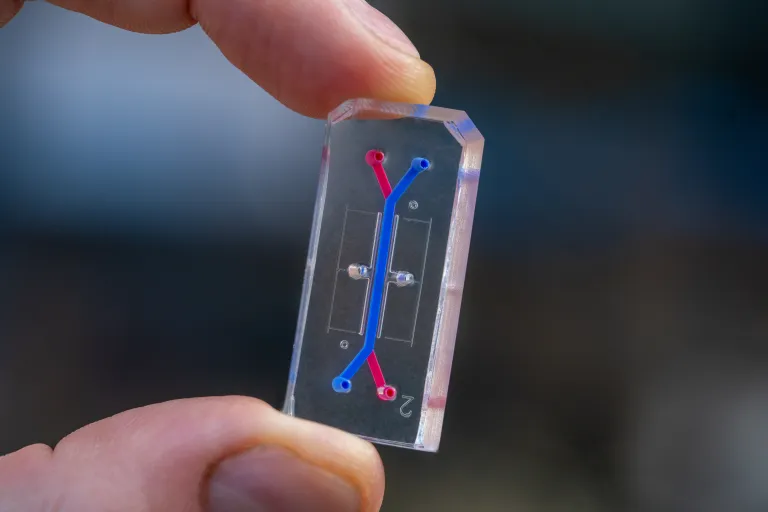
For the first time, organ-on-a-chip technology will travel beyond the Van Allen belts. These chips, made from blood cells, mimic human bone marrow — one of the body’s most radiation-sensitive tissues.
By comparing the chips’ responses with astronaut health data, NASA hopes to validate this technology as a predictor of how human tissue reacts in deep space. Beyond spaceflight, this research could even inform new treatments for conditions like cancer here on Earth.
Standard Measures: The baseline human study
Standard Measures is NASA’s baseline program for human research. Six months before launch, the Artemis II crew began contributing samples of blood, urine, saliva, and taking tests of balance, vision, muscle strength, and brain health.
During the flight, motion sickness and other in-flight health changes will be monitored. After returning to Earth, follow-up tests will continue for weeks. All this data will go into NASA’s Life Sciences Data Archive — helping researchers worldwide model how humans adapt to space travel.
Tracking radiation inside Orion
Radiation is one of the biggest hazards of deep space. Orion will carry active sensors positioned throughout the cabin, and astronauts will wear dosimeters in their pockets.
A new, high-resolution German sensor called M-42 EXT will measure radiation six times more precisely than before, helping scientists better understand the types and intensity of exposure.
This data will also tie back to the ARCHeR, AVATAR, and Immune Biomarker studies — giving context to how radiation may drive changes in sleep, cognition, or immunity.
Lunar Observations Campaign
The Artemis II crew will take advantage of their vantage point from the lunar orbit to study the Moon from above.
As the first humans to see the lunar surface up close in over 50 years, they will document their views through photographs and audio recordings, offering scientists new data and sharing what it feels like to be so far from Earth. Depending on launch timing and lighting, the crew could even glimpse areas of the far side of the Moon that no human has seen before.
Spacecraft like NASA’s Lunar Reconnaissance Orbiter have mapped the Moon for years, but human eyes are sensitive to subtle differences in color, shading, and texture that machines may miss. Observations from Artemis II could reveal new details about impact craters, volcanic plains, or even fresh geological changes, shaping future investigations.
For the first time in Artemis, a science officer in mission control will guide the crew in real time, supported by lunar experts in geology, volcanism, tectonics, and ice. Lessons from this mission will pave the way for more advanced science operations on future Artemis flights.
Cubesats: The hitchhikers to the moon
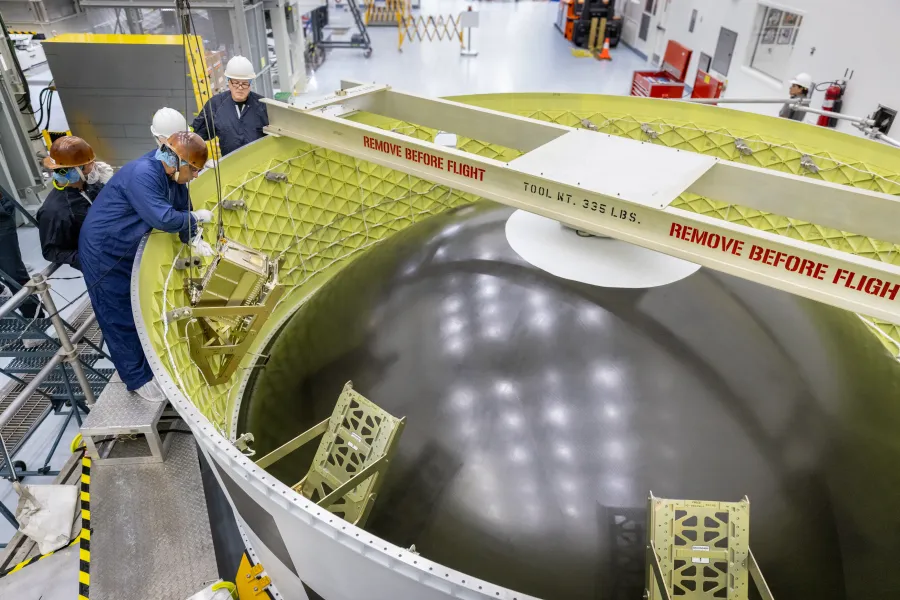
Alongside the crewed experiments, Artemis II will also carry several CubeSats — small, box-sized satellites no larger than a shoebox. Despite their size, these international partners pack a lot of science into a small payload, extending the mission’s reach without adding significant weight or cost.
- ATENEA (Argentina) – Developed by CONAE, ATENEA will measure radiation doses and test shielding strategies. It will also collect GPS and navigation data to help design safer future missions.
- K-Rad Cube (South Korea) – This satellite carries a dosimeter designed to mimic human tissue. By simulating how radiation interacts with biological matter, it will give scientists more accurate models of the risks astronauts face when crossing the Van Allen belts and traveling deeper into space.
- Space Weather CubeSat (Saudi Arabia) – Built by the Saudi Space Agency, this CubeSat will monitor solar X-rays, magnetic fields, and energetic particles. The data will help researchers understand how solar storms and space weather affect both astronauts and spacecraft.
- TACHELES (Germany) – This CubeSat focuses on technology. It will test how different electronic components perform under the stresses of deep space, from radiation exposure to extreme temperature shifts. Results will guide the design of more reliable hardware for future missions.
Why it matters
Artemis II isn’t just about circling the around the moon to get some cool space photos of the moon that goes viral on social media. It is about understanding human endurance and how technology can be used to take us to deep space environments in a safe and effective manner.
Understanding how our immune responses work and how viruses and diseases act in space where resources are limited is important for planning future expeditions, further than the moon.
The 10-day flight of Artemis II is not just another mission. It is a step forward in humanity’s turn to a future of space exploration, once again after 50 years.
Data collected by this mission will play a crucial role in developing technology that needed for future exploration reaching both moon and Mars.
By studying sleep, stress, immunity, radiation, and even microbiomes, Artemis II will help us piece together the way to safely live and work farther from Earth than ever before.

I am an Assistant Editor and Severe Weather & Science Journalist at The Watchers, specializing in real-time severe weather coverage, geophysical event reporting, and research-driven scientific analysis. You can reach me at rishav(at)watchers(.)news.

Commenting rules and guidelines
We value the thoughts and opinions of our readers and welcome healthy discussions on our website. In order to maintain a respectful and positive community, we ask that all commenters follow these rules.