• Polarization anomaly of 3I/ATLAS reveals origin conditions absent in our Solar System

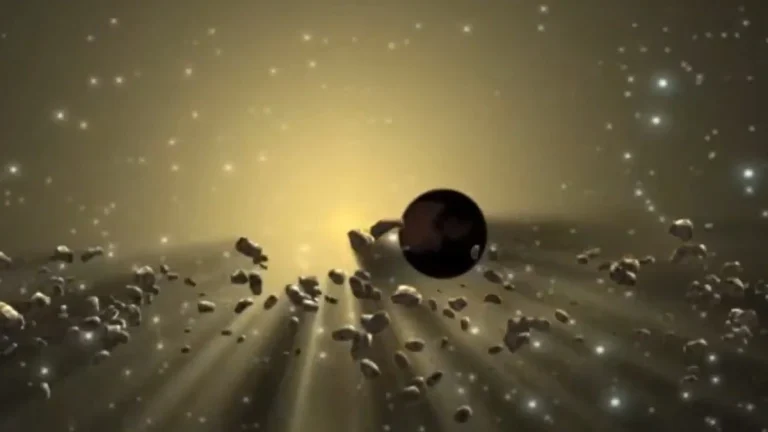
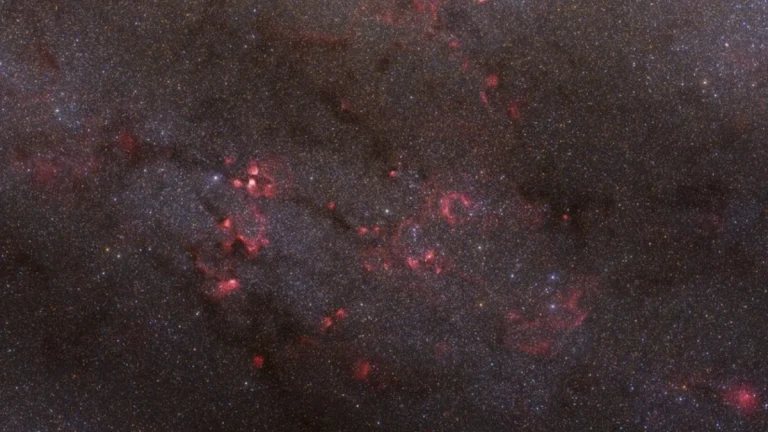
    Interstellar comet 3I/ATLAS is revealing dust unlike any known in the Solar System. Its extreme polarization pattern, a deep negative dip and delayed inversion, suggests dust grains with properties never seen before, pointing to an origin in very different planetary conditions.

  • New origin story for the fastest white dwarfs reshapes supernova science

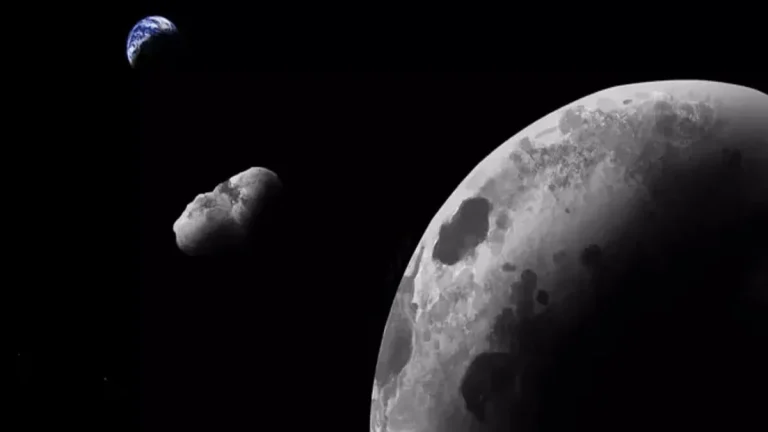
    Some stars don’t simply fade into quiet obscurity, they are hurled from their homes at unimaginable speeds, becoming hypervelocity white dwarfs. These burned-out stellar cores can race through the galaxy at more than 2 000 km/s (1 240 miles/s), fast enough to escape the Milky Way entirely. A new study shows how such runaways are forged in violent mergers, rewriting what we know about supernovae and the universe’s expansion.

  • Contactless space debris removal proposed through new plasma thruster design

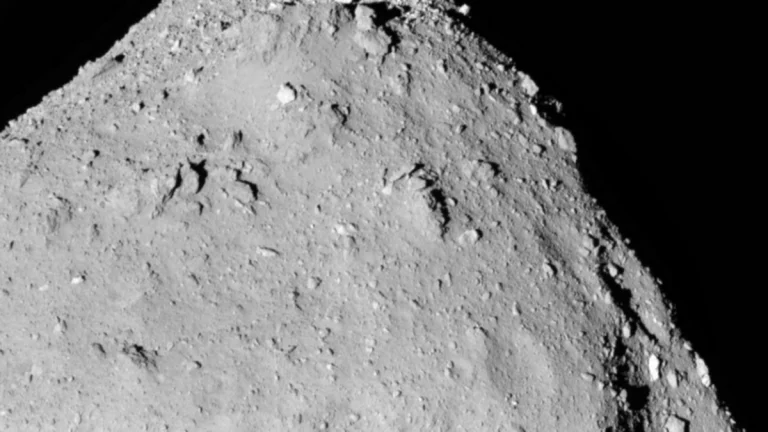
    Researchers at Tohoku University, Japan, have validated in laboratory experiments a cusp-type bidirectional plasma thruster designed for contactless removal of orbital debris. The design eliminates destabilizing reaction forces while achieving 25 mN of thrust at 5 kW, marking a step toward scalable active debris removal in increasingly congested Earth orbit.

  • James Webb reveals massive stellar nursery Pismis 24

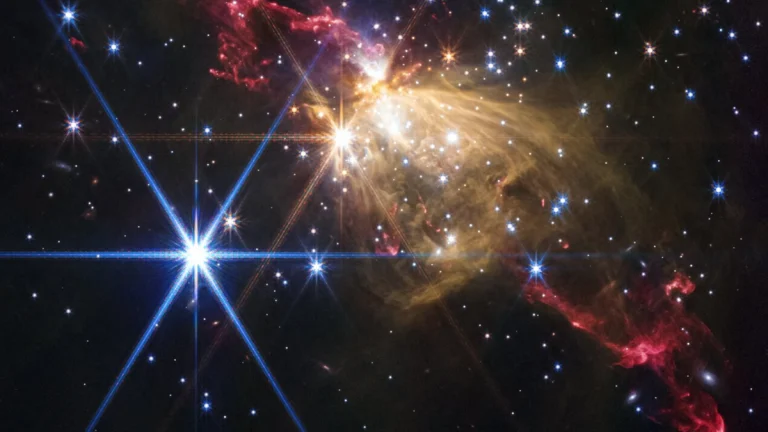
    The James Webb Space Telescope released a new image of the young star cluster Pismis 24 in the Lobster Nebula (NGC 6357), located about 5 500 light-years away in the constellation Scorpius, on September 4. The near-infrared image reveals thousands of stars, including Pismis 24-1, a system of at least two massive stars with 74 and 66 solar masses, embedded in towering spires of dust and gas.