It rains on the Sun, and now we know why
A study published in the Astrophysical Journal on October 1, 2025, shows that sudden plasma rain in the Sun’s atmosphere is caused by shifting elemental abundances, solving a decades-old puzzle.

The exploration of celestial bodies and cosmic phenomena beyond Earth. This field seeks to uncover the mysteries of the universe, including the nature of stars, planets, galaxies, and the laws governing space and time.
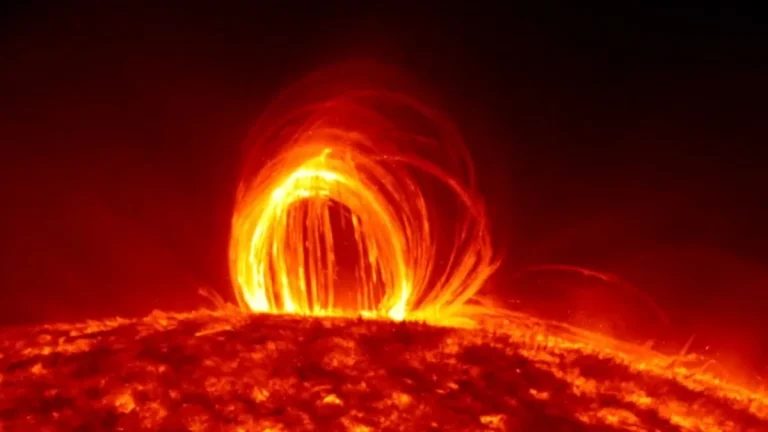
A study published in the Astrophysical Journal on October 1, 2025, shows that sudden plasma rain in the Sun’s atmosphere is caused by shifting elemental abundances, solving a decades-old puzzle.

NASA scientists are preparing mission scenarios to prevent asteroid 2024 YR4, a 60 m (197 feet) object, from striking the Moon on December 22, 2032, where it carries about a 4 percent impact probability.

A study published recently in Cosmic Research examined thermosphere density and global electron content during 130 Starlink satellite launches from 2019–2023, revealing how space weather disturbances directly affect launch outcomes.

A study published in Geophysical Research Letters finds that ancient rivers on Mars show hydrodynamic patterns consistent with flowing into a northern ocean, reshaping views of the planet’s water history.

Scientists at NYU Abu Dhabi developed an AI model that predicts solar wind speeds up to four days in advance, a breakthrough published in The Astrophysical Journal Supplement Series on September 8, 2025.
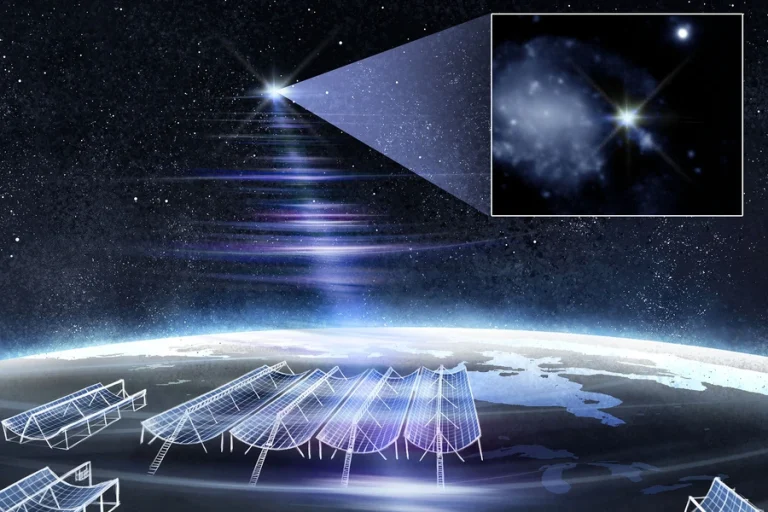
Astronomers detected the brightest fast radio burst ever recorded, FRB 20250316A, at 130 million light-years in the galaxy NGC 4141, using the upgraded CHIME array.
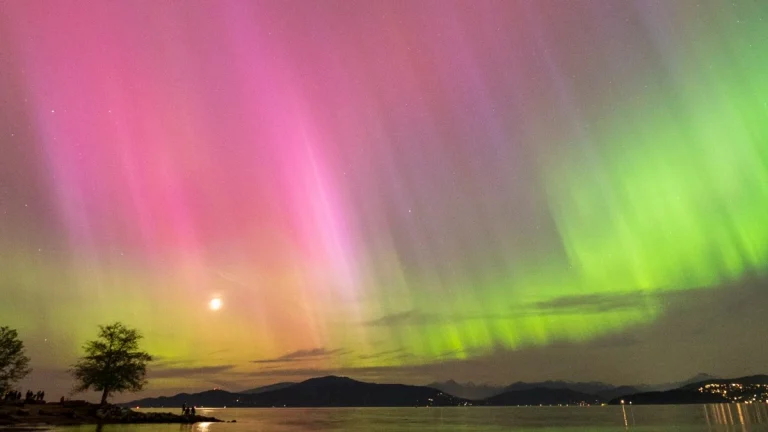
Between May 10–12, 2024, a G5 – Extreme geomagnetic ‘superstorm’ triggered a record 98% depletion of ionospheric electron density over China and the wider Northern Hemisphere, cutting off HF radio, researchers report in National Science Review
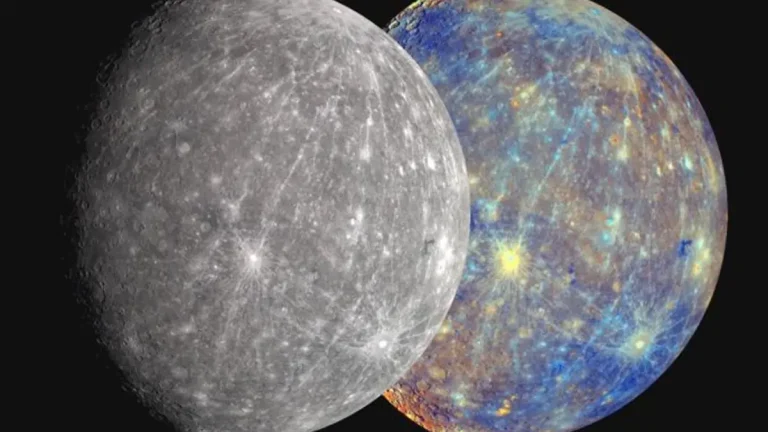
A study published recently in Nature Astronomy found that Mercury could have formed after a grazing collision between two protoplanets of similar mass, challenging older theories of a catastrophic impact with a larger body.
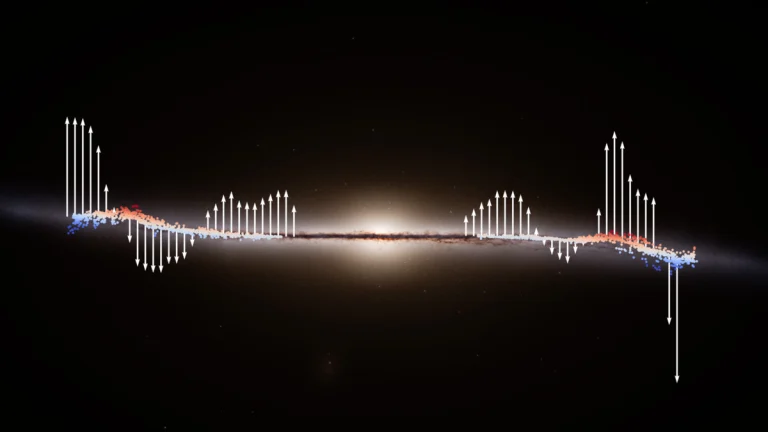
ESA’s Gaia mission revealed a massive stellar wave rippling outwards from the center of the Milky Way’s disc and spanning up to 65 000 light-years. The discovery could reshape how astronomers understand the forces shaping stars and gas on galactic scales.
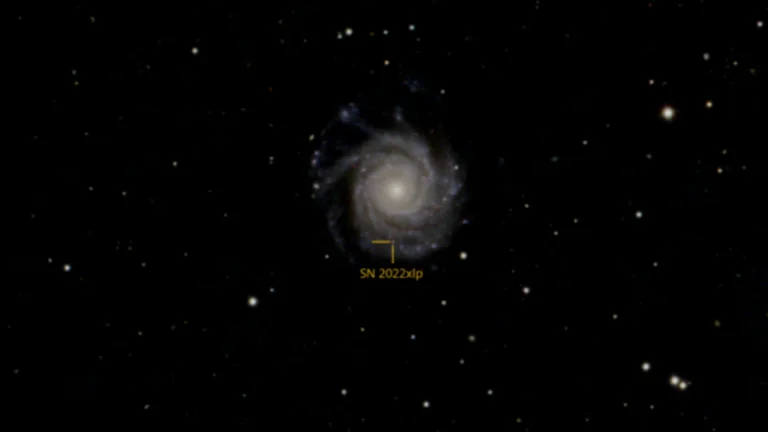
Astronomers published detailed observations of SN 2022xlp this month, a rare intermediate luminosity type Iax supernova in the galaxy NGC 3938 about 72 million light years away.
