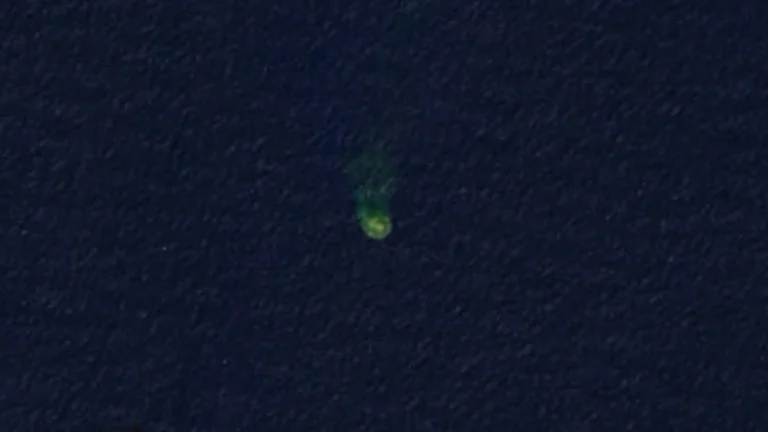
• Ahyi Seamount unrest raises potential for activity to breach ocean surface, Northern Mariana Islands

    USGS raised Ahyi Seamount in the Northern Mariana Islands to Aviation Color Code Yellow and Volcano Alert Level Advisory at 10:13 ChST (00:13 UTC) on July 16, 2026, after repeated satellite detections of discolored-water plumes near the shallow submarine volcano indicated increased unrest and a potential for activity to breach the ocean surface.
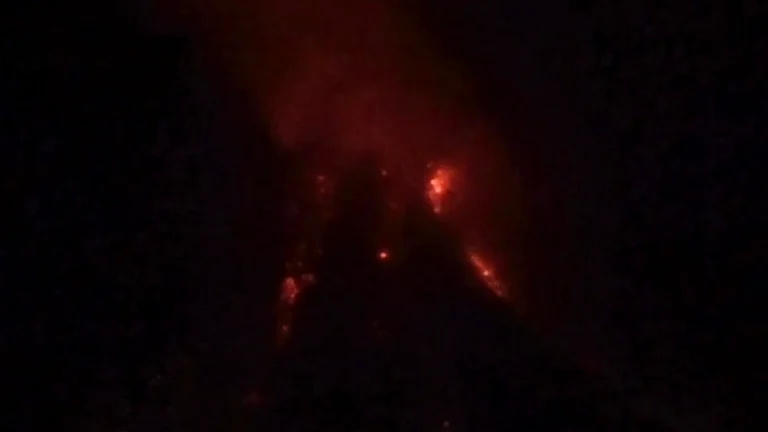

  • Explosive strombolian eruptions at Mayon volcano, Philippines

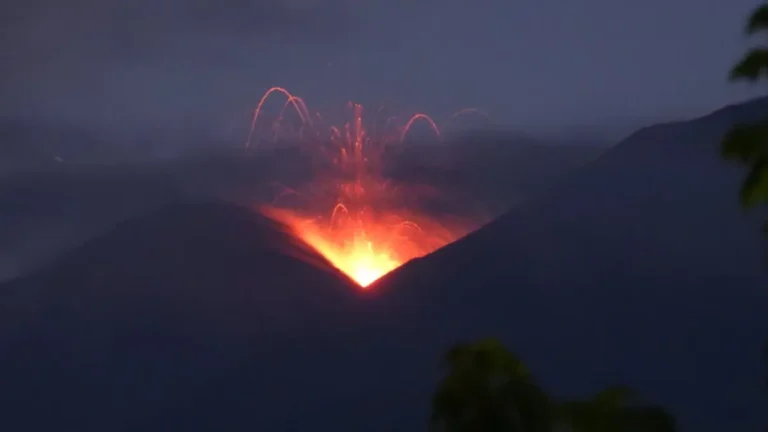
    Mayon volcano remained under Alert Level 3 on July 15, 2026, after PHIVOLCS recorded 187 volcanic earthquakes, 398 rockfalls, 10 pyroclastic density current signals, and SO2 emissions averaging 9 028 tonnes/day from the volcano in Albay, Philippines.

  • High-level eruption at Sheveluch volcano, Russia

    A high-level eruption at Sheveluch volcano in Kamchatka, Russia, at 07:25 UTC on July 5, 2026, sent volcanic ash as high as 12.2 km (40 000 feet) and prompted authorities to raise the Aviation Color Code to Red. Satellite observations later confirmed continuing ash emissions drifting southwest.

  • Hybrid seismic swarm recorded in Tenerife, Spain

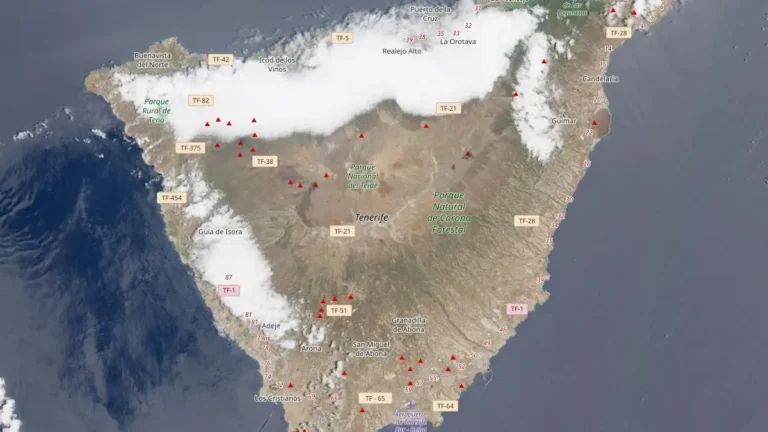
    A hybrid seismic swarm was recorded in Tenerife from 18:34 to approximately 23:00 LT (17:34 to 22:00 UTC) on July 3, 2026, according to the Canary Islands Volcanological Institute (INVOLCAN). The institute said the episode does not change the likelihood of a volcanic eruption on the island in the short or medium term.

  • Anak Krakatau alert raised to Level III after renewed eruptions, Indonesia

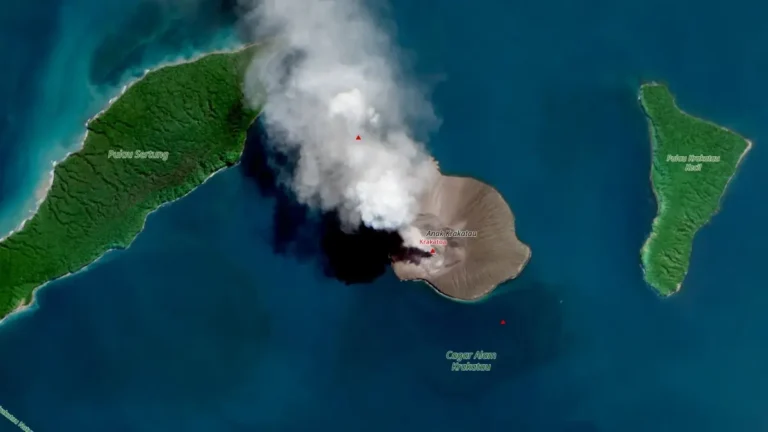
    Indonesia’s Geological Agency raised Anak Krakatau alert from Level II (Waspada) to Level III (Siaga) at 16:30 WIB (09:30 UTC) on July 2, 2026, after an eruption at 14:05 WIB (07:05 UTC) sent a dense gray-to-black ash plume about 200 m (656 feet) above the summit. The agency set a 3 km (1.9 miles) exclusion zone around the active crater.

  • Volcanic tremor reaches high levels, lava flow and Voragine activity continue at Etna, Italy

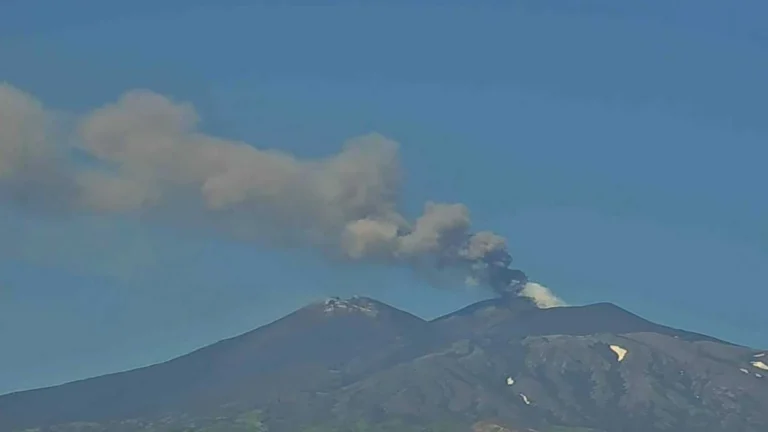
    Effusive activity at Italy’s Etna volcano continued from a vent at 3 030 m (9 940 feet) elevation on July 2, 2026, feeding overlapping lava flows on the volcano’s eastern flank. Meanwhile, strombolian activity persisted at Voragine crater as volcanic tremor remained in the high range and a new infrasonic source developed beneath the crater.