• Mount Etna’s Northeast Crater erupts for the first time in 28 years, Italy

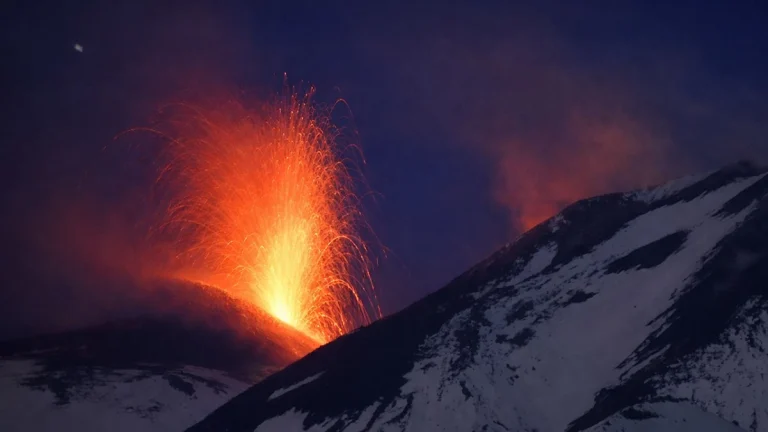
    Two paroxysmal eruptions occurred at Mount Etna’s Northeast Crater on December 27, 2025, marking the first major eruptive episode from this crater in almost 28 years. The events produced lava fountains up to 500 m (1 640 feet), eruptive columns rising over 10 km (6 miles) above sea level, and a short lava flow from the nearby Voragine Crater. Activity gradually declined by December 28, with continued strombolian explosions and weak effusion.

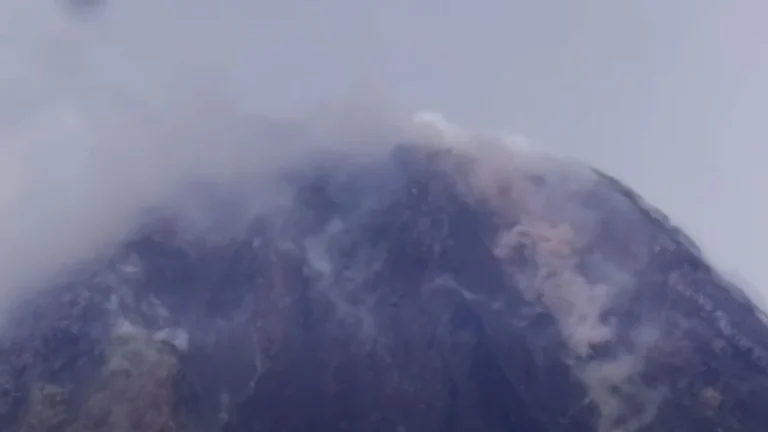
  • Strong explosive activity at Etna opens new vent feeding lava flow toward Valle del Bove, Italy

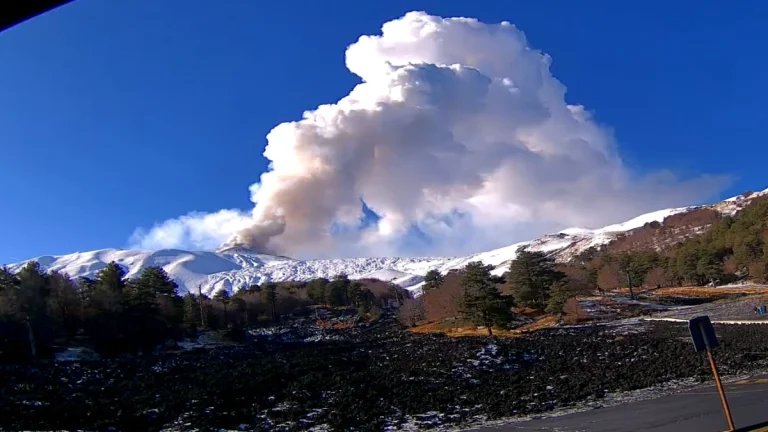
    Etna’s eruptive activity intensified rapidly between December 24 and 27, 2025, culminating in short-lived lava fountains about 200 m (650 feet) high and a new lava flow from the upper Voragine crater toward the Valle del Bove. INGV Etna Observatory (OE) raised the Aviation Color Code to Red on December 27 as tremor and infrasound amplitudes reached very high levels.

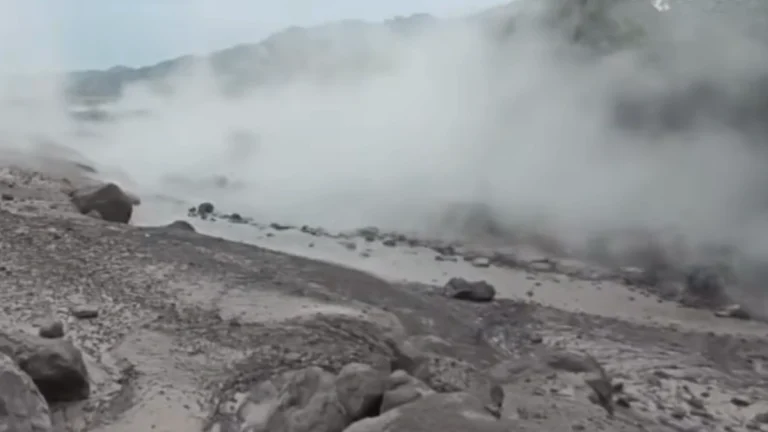
  • Eruption at Piparo Mud Volcano damages roads and homes, Trinidad and Tobago

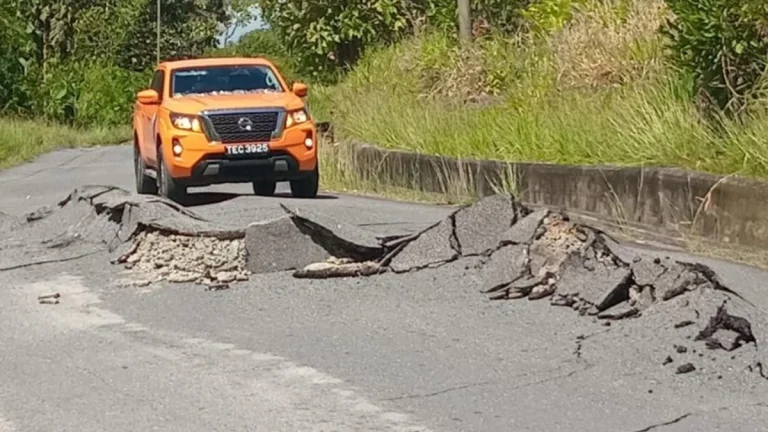
    Activity at the Piparo Mud Volcano in Trinidad and Tobago began increasing early on December 24, 2025, and continued through Christmas, ejecting mud up to 4.6 m (15 feet) into the air and damaging roads, homes, and nearby infrastructure. Officials confirmed visible cracks, ground uplift, and frequent eruptions occurring every 10–20 seconds as assessments and safety operations remained underway.

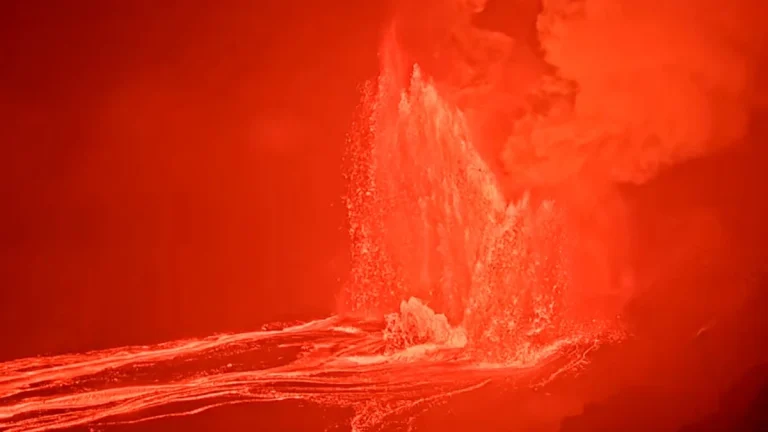
  • Kīlauea enters eruptive episode 39 exactly one year into ongoing summit eruption, with lava fountains rising over 420 m (1 400 feet)

    Kīlauea entered eruptive episode 39 at 20:10 HST on December 23, 2025 (06:10 UTC on December 24) as lava fountains rose from twin vents on the floor of Halemaʻumaʻu crater. Within about 95 minutes, fountain heights increased from 10 m (30 feet) to more than 420 m (1 400 feet), with lava flows covering 10–20% of the crater floor by 21:14 HST and a plume reaching 6 000 m (20 000 feet).

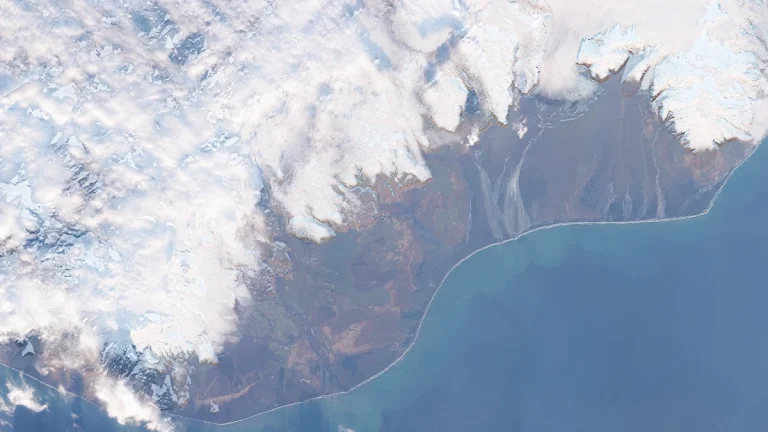
  • Glacial outburst flood in Skaftá River confirmed to originate from Vestari-Skaftár caldera, Iceland

    A glacial outburst flood in Iceland’s Skaftá River, first detected on December 8, 2025, has been confirmed to originate from the Vestari-Skaftár caldera beneath Vatnajökull ice cap. Flow at the Sveinstind station has decreased to just over 120 m³/s, down from 200 m³/s earlier in the week. Conductivity remains high and hydrogen sulfide continues to be detected along the river, but no impacts on major roads have been reported.