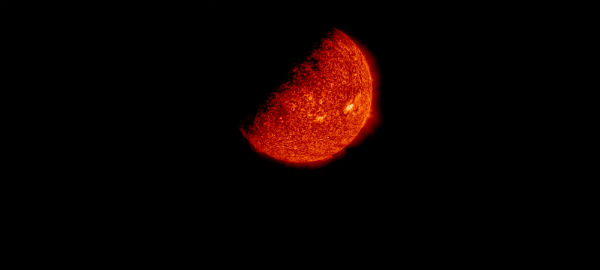
• SDO’s 2013 solar spring eclipse season has begun

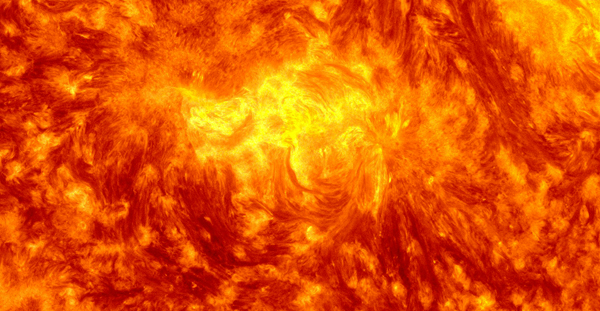
    NASA’s Solar Dynamics Observatory (SDO) has eclipse seasons twice a year near each equinox. Earth passes directly between the Sun and produces a series of eclipses from the point of view of the spacecraft.The first eclipse of the SDO Spring 2013 Eclipse Season
  • First sightings of how a Coronal Mass Ejection (CME) forms

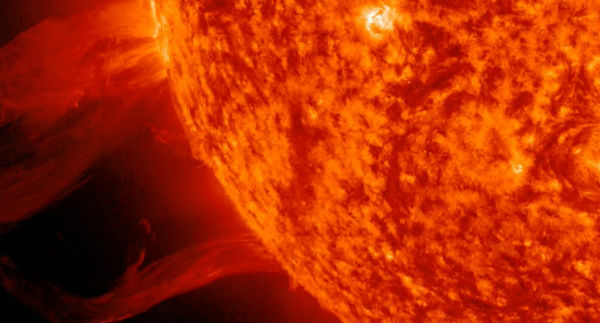
    On July 18, 2012, a fairly small explosion of light burst off the lower right limb of the sun. Such flares often come with an associated eruption of solar material, known as a coronal mass ejection or CME – but this one did not.Something interesting did happen,

  • Sunspot 1654 still dominates the visible solar disk

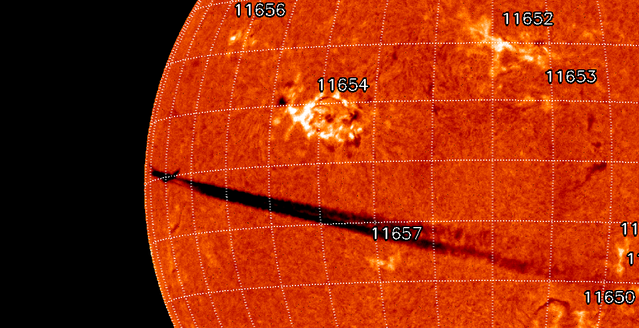
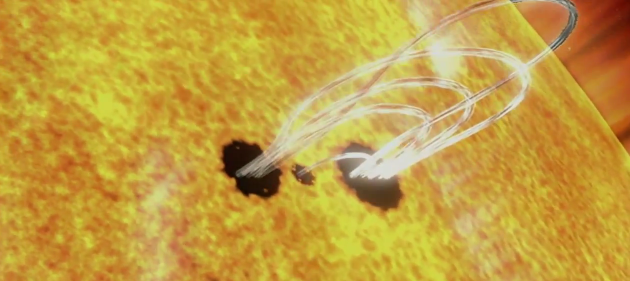
    Active Region 1654 has traveled half across the Earth facing side of the Sun and now is squarely facing Earth. On January 13, this huge sunspot reached its maximum size measured as more than 193 000 km (120, 000 miles) wide long or 15 Earth diameters) from end to

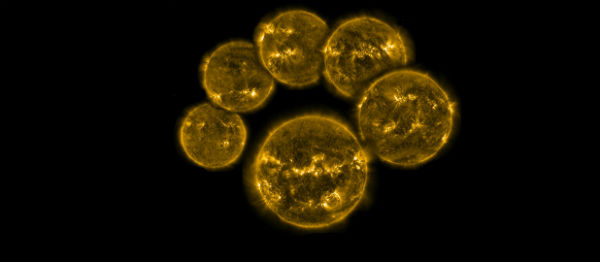
  • Catching Sunlight: Alan Friedman at TEDxBuffalo

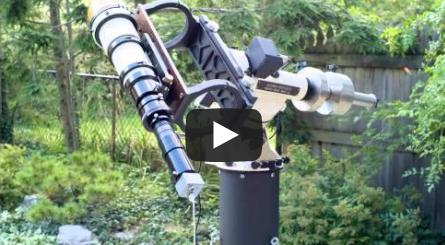
    Amateur astro-photographer Alan Friedman captures the sun and other stars with humble equipment, in an unlikely place, in a highly developed field. He discusses why he does it, and why it’s important for everyone to be a bit of a DIY upstart. In the spirit of ideas

  • The effects of solar variability on Earth’s climate

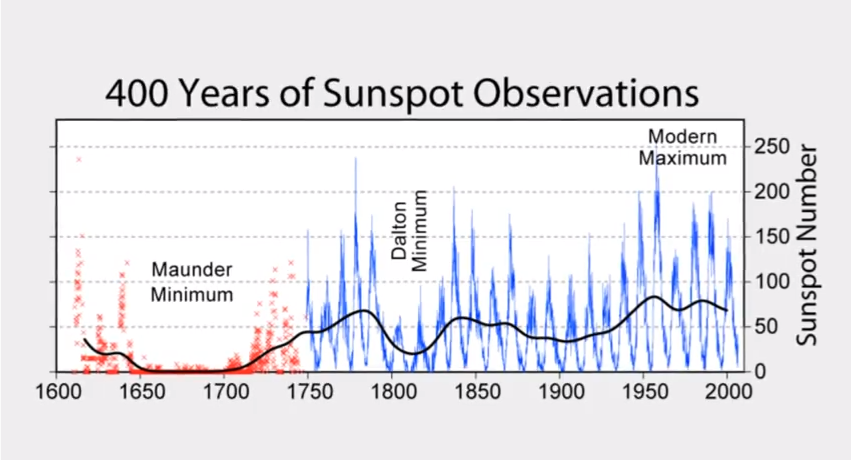
    A new report issued by the National Research Council (NRC), “The Effects of Solar Variability on Earth’s Climate,” lays out some of the surprisingly complex ways that solar activity can make itself felt on our planet.The luminosity of our own sun varies a 0.1% over

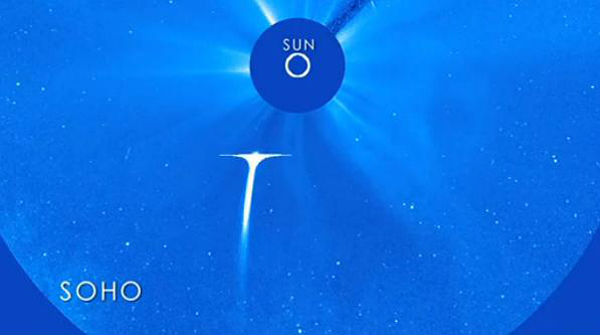
  • NASA | Why are we seeing so many sungrazing comets?

    Before 1979, there were less than a dozen known sungrazing comets. As of December 2012, we know of 2,500. Why did this number increase? With solar observatories like SOHO, STEREO, and SDO, we have not only better means of viewing the sun, but also the comets that