• LADEE space mission launched on its way toward the Moon

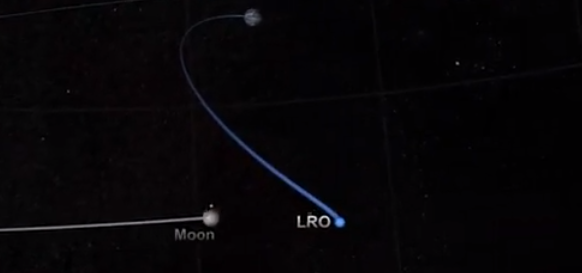
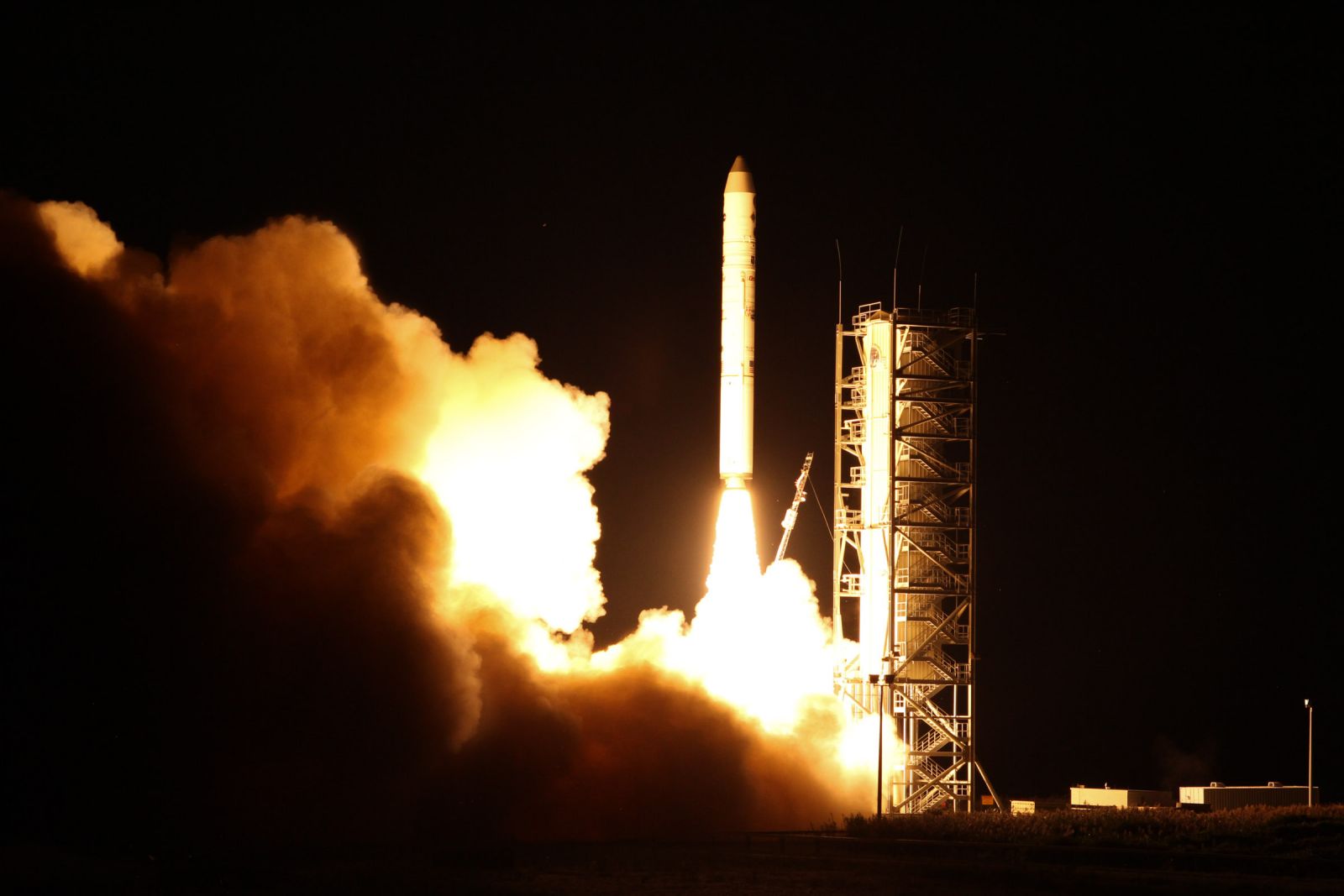
    NASA's Lunar Atmosphere and Dust Environment Explorer (LADEE) was successfully launched on September 6, 2013 and has separated from its ride into space, powered up and is communicating with ground controllers. It is now on its way to arrive at the Moon in 30
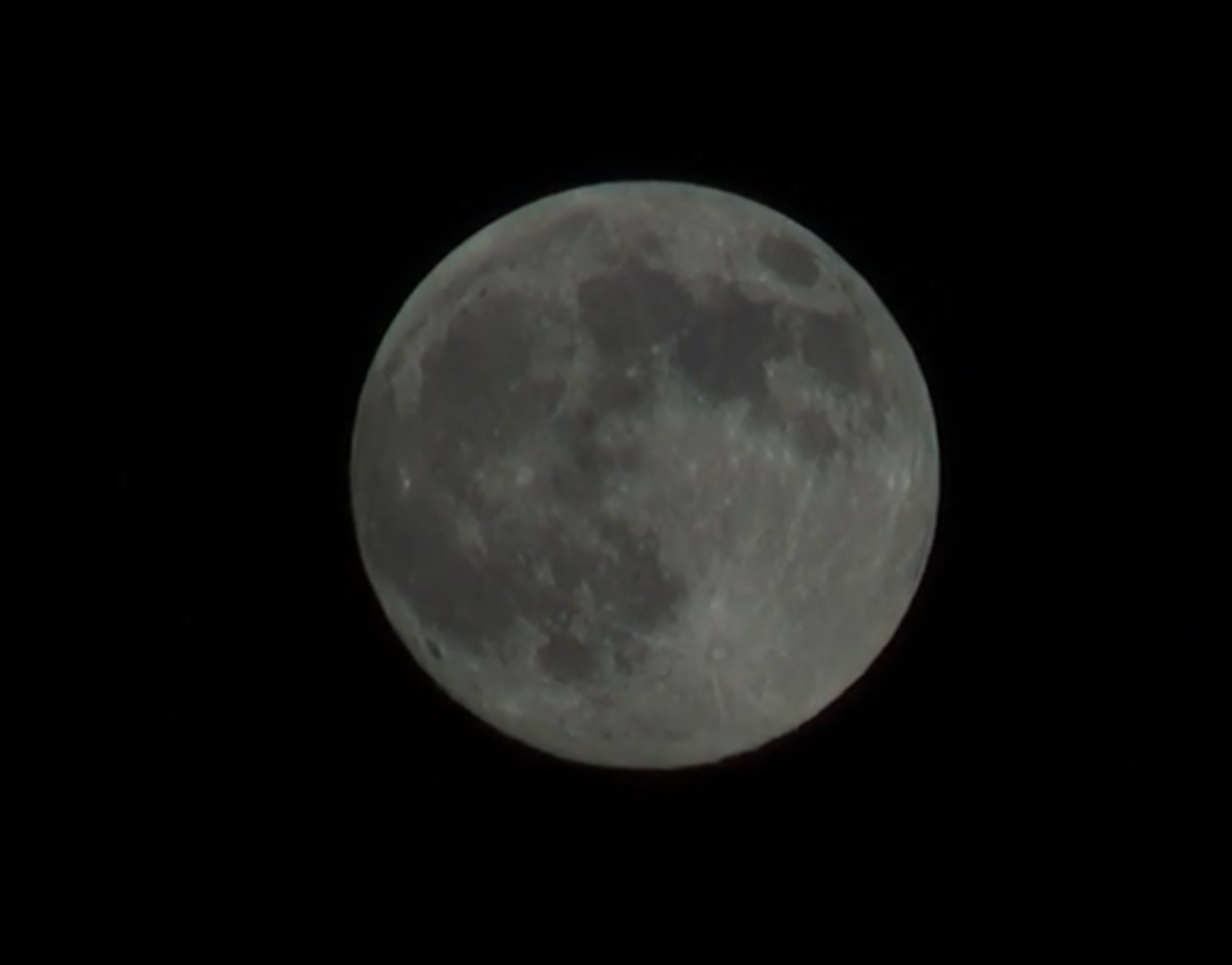
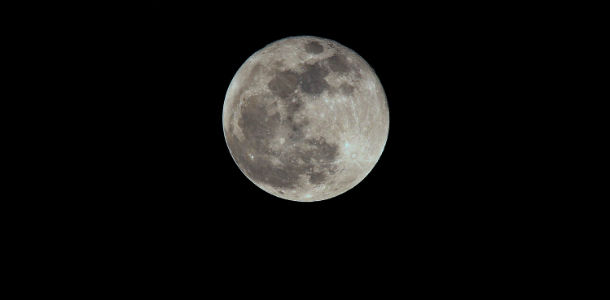
  • New supermoon, third of this year, falls on July 22, 2013

    It has not been long since the spectacular supermoon on June 23, 2013. At that time the moon was at it`s closest to Earth for the year, appeared as the largest full moon for 2013, and it was also about 30 percent brighter than an average full moon.

    But for everyone

  • LRO's fourth anniversary – Lunar Reconnaissance Orbiter

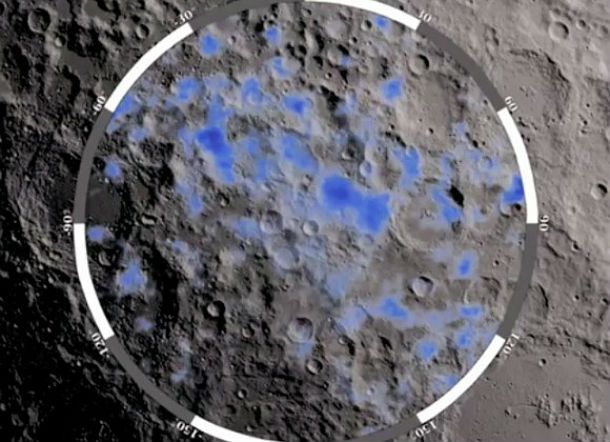
    Four years ago, NASA made a long promised return visit to a place so legendary in the history of space exploration that it felt like a reunion with a long lost relative. With the liftoff of the Lunar Reconnaissance Orbiter (LRO), NASA made a bold statement about its

  • The most spectacular supermoon of the year – June 23, 2013

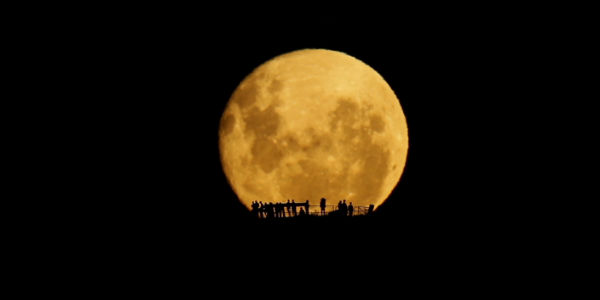
    On June 23, 2013 we will experience a truly super supermoon. The full moon that falls on June 23, 2013 at 11:32 UTC, will not only be the closest to Earth for the year, but it will also appear the biggest full moon for 2013. It will also be about 30 percent brighter

  • Moon craters may preserve alien debris

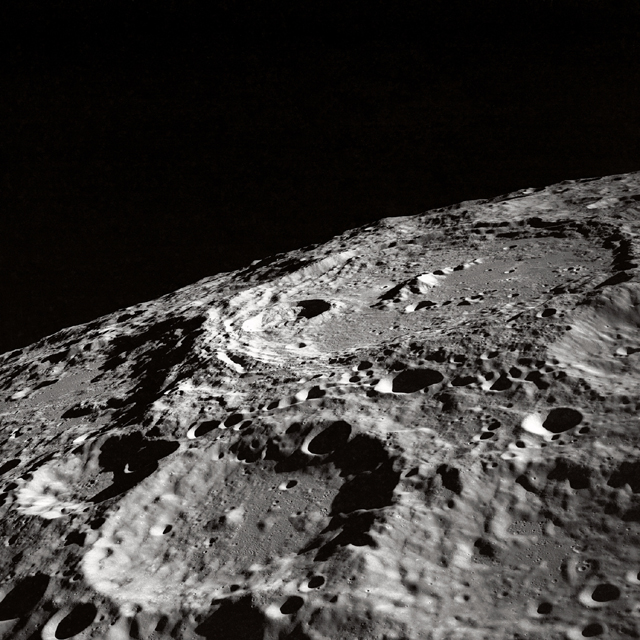
    According to a new study, a quarter of the moon's impact craters retain strange minerals that may be the shattered remains of the space rocks that made the craters and not exhumed bits of the moon's interior, as had been previously thought. The strange

  • Supermoon falls on May 24-25, 2013

    The full moon of May, 2013 is the third full moon after the March equinox. The moon is only one day away from lunar perigee, when it reaches closest point to Earth. The May 24/25 moon stays almost opposite the sun during the whole night, so it will rise

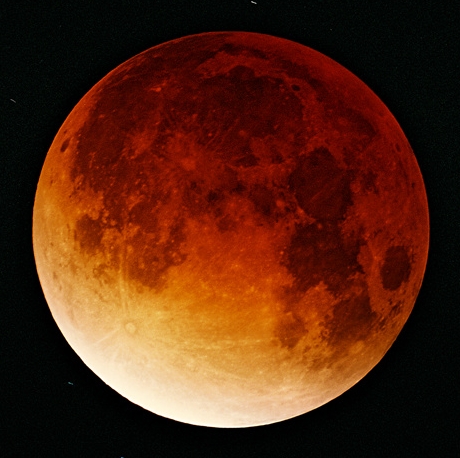
  • Penumbral lunar eclipse on May 25, 2013

    The second lunar eclipse of 2013 occurs at the Moon's ascending node in Scorpius about 7° northwest of Antares (mv = +1.07). With a penumbral eclipse magnitude  of 0.0158, just 0.5 arc-minutes of the Moon's southern limb will pass into Earth's pale