• Night sky guide for January 2012

    January brings us striking views of the night skies! You’ll be able to see well known constellations during the long hours of darkness in the Northern hemisphere, with crisp cold skies. This is an ideal time to get out and look at the wonders of the night sky as t

  • Comet Lovejoy now visible with naked eye

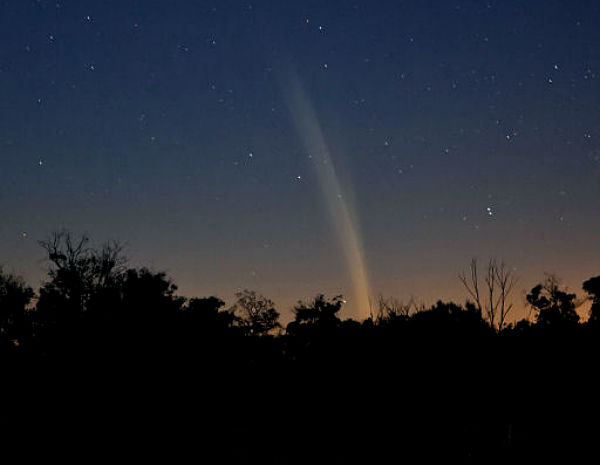
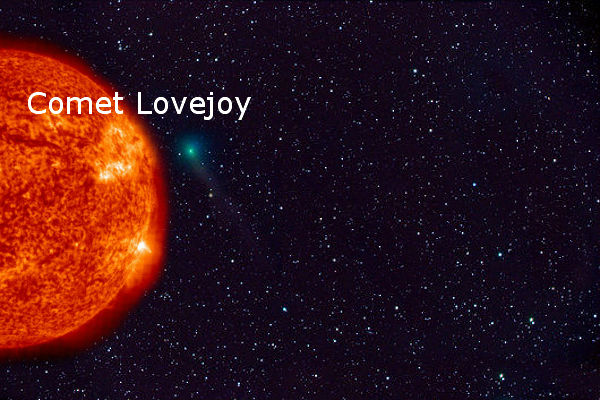
    Comet Lovejoy's tail is visible after all,  from around the southern hemisphere. It can be visible just before sunrise. Reports of two tails indicates that it develop dust and ion tail. The gaseous tail is blow almost directly away from the sun by solar wind

  • Amazing comet Lovejoy

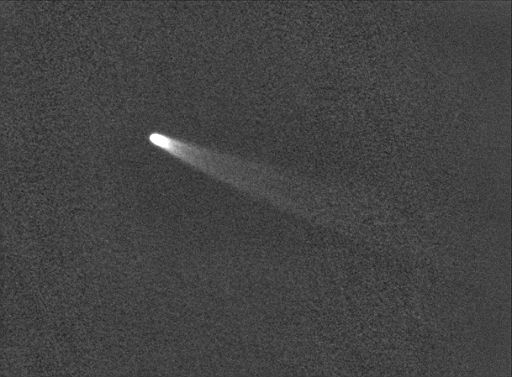
    The unexpected survival of comet Lovejoy has amazed astronomers because most comets that have close encounters with the sun are destroyed. Many researchers predicted the comet would likely fizzle out, as the chances of its survival were so low. Comet

  • Death of Comet Lovejoy – Update

    First video of Comet Lovejoy through the AIA telescope on @NASA_SDO

    First visual of Comet Lovejoy – watch here

     UPDATE: 00:23


    SDO has completed the off-point maneuver, is sending the images to the ground. Look for images in few

  • Comet Lovejoy – Update

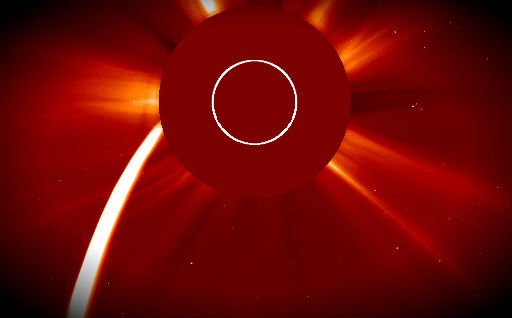
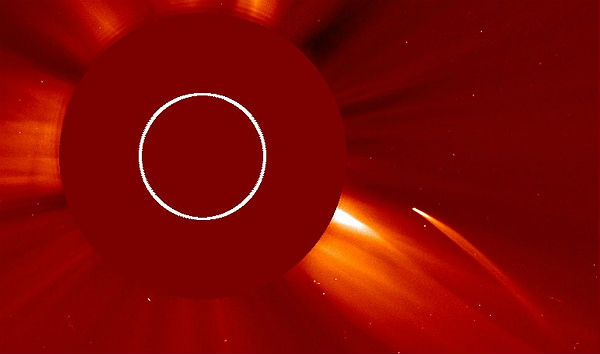
    Comet Lovejoy (C/2011 W3) is on the path of selfdestruction. It is set to pass through the sun's intensely hot corona, within 87,000 miles (140,000 km) of the solar surface. This point of closest approach, called perihelion, is expected at 7 p.m. EST Dec. 15

  • Comet Lovejoy – Don't miss it!!!

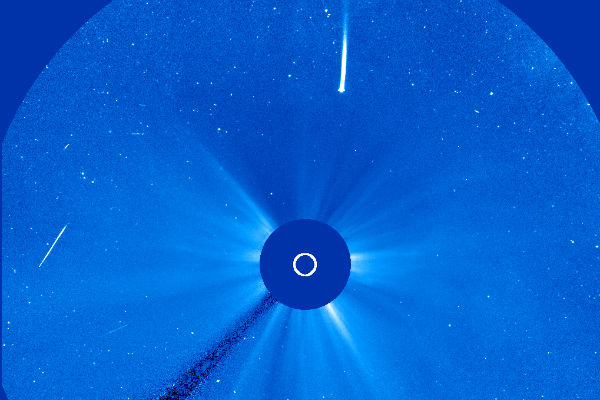
    Comet Lovejoy (C/2011 W3) could become as bright as Jupiter or Venus when it "flames out," the glare of the sun will hide the event from human eyes. Solar observatories in space, however, will have a grand view. Yesterday the brightening comet entered the

  • Geminid meteor shower peaks tonight

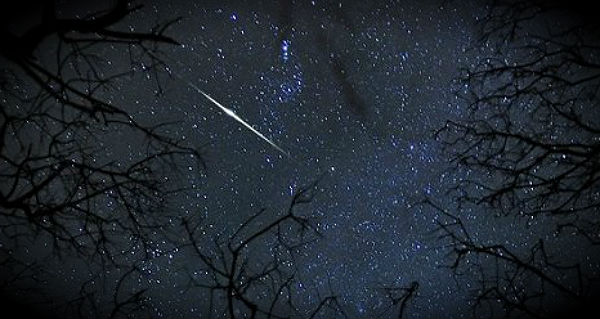
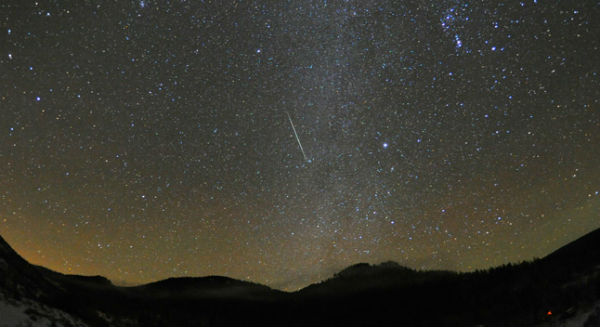
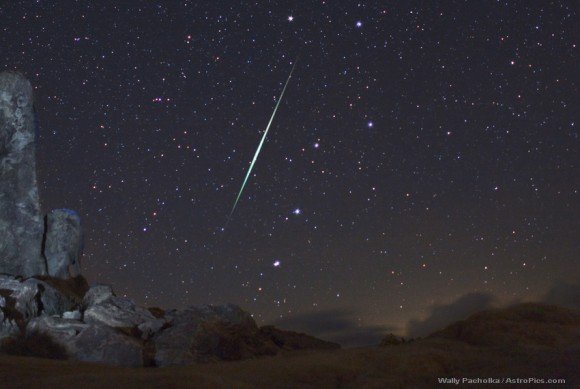
    The last big meteor shower of the year — the annual Geminids shower — peaks tonight (Dec. 13), but bright moonlight could illuminate the night sky and spoil one of the most spectacular light show of the year. On a clear night, skywatchers have reported seeing up to

  • 2011 Geminid meteor shower peaks on December 14

    The Geminids start appearing on Dec. 7 and should reach peak activity around the 13th and 14th. Up to 100  meteors per hour could be visible under good viewing conditions. But the presence of an 82% illuminated waning gibbous Moon from mid-evening until morning