• Earth Day 2012 Lyrid meteor shower

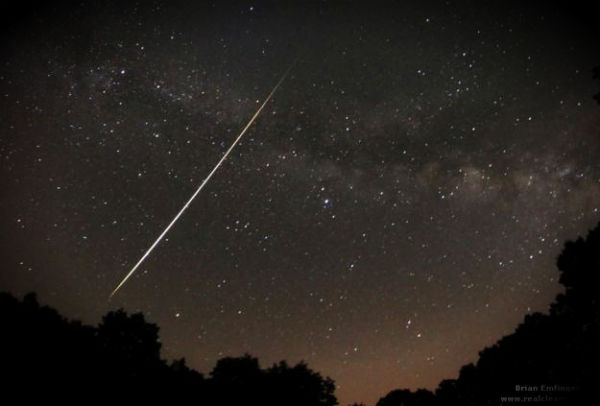
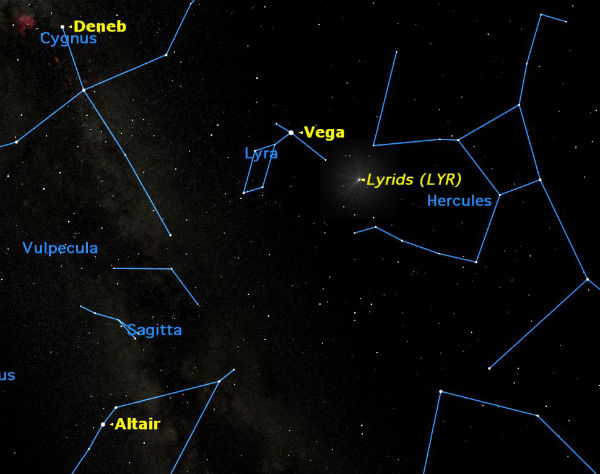
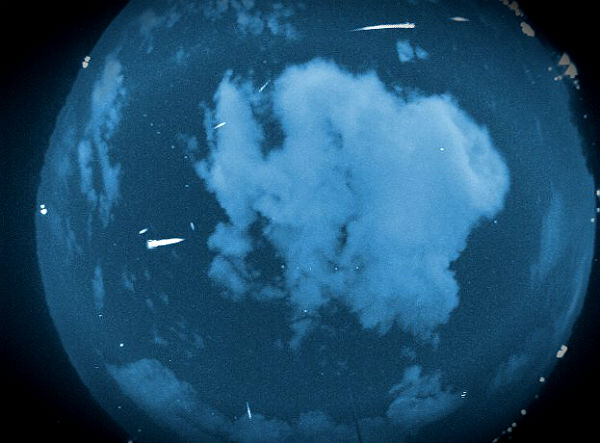
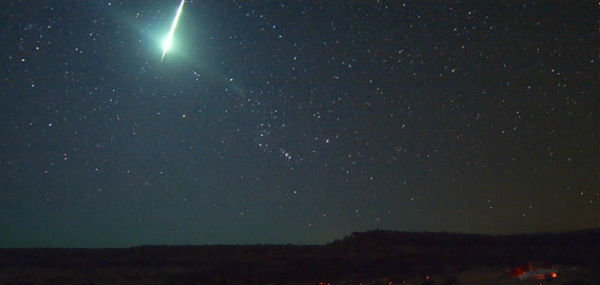
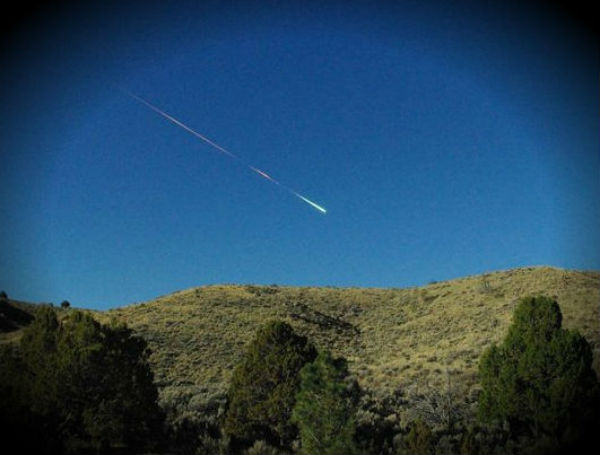
    Earth Day in 2012 coincided with the Lyrid maximum. Many observers were pleasantly surprised thanks in part to the lack of a bright moon.! According to the International Meteor Organization, the Lyrid meteor shower peaked on April 22nd around 0000 UTC with a

  • A guide for skywatchers: 2012 Lyrid meteor shower

    Each year the Earth passes through trail of Comet Thatcher (C/1861 G1) as it makes a 415-year highly elliptical journey around the Sun and have been observed for more than 2,600 years. The meteors from comet Thatcher occur when comet dust slams into Earth’s

  • Lyrid meteor shower peaks this week

    Earth is approaching the debris field of ancient Comet Thatcher, source of the annual Lyrid meteor shower. Every year in late April Earth passes through the dusty tail of Comet Thatcher (C/1861 G1), and the encounter causes a meteor shower – the Lyrids. This year the

  • Comet Swan dove into the Sun’s atmosphere

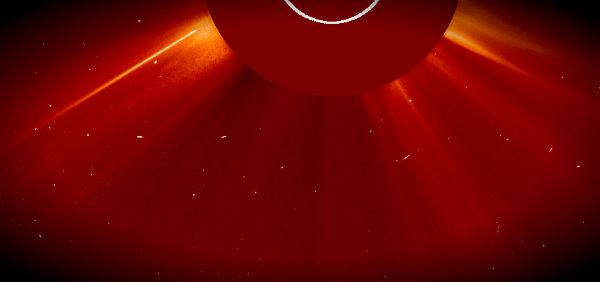
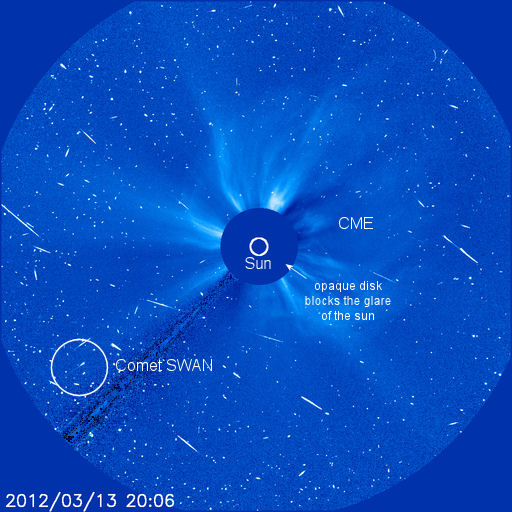
    Last week SOHO’s SWAN instrument discovered a bright comet on its way to dive into Sun. It has been named COMET SWAN and it is one of the brightest Kreutz-group comets ever observed by SOHO beside Comet Lovejoy from  December last year. Sungrazing Comet SWAN dove

  • Lovejoy’s brother – Bright comet dives into radiation storm

    Another bright comet is diving into the sun. It was discovered just last week by SOHO’s SWAN instrument, so it has been named “Comet SWAN.” The comet’s death plunge ( or “swan dive”) comes just as the sun has unleashed a strong flare and radiation storm around

  • Moon mineral Tranquillityite found in western Australia

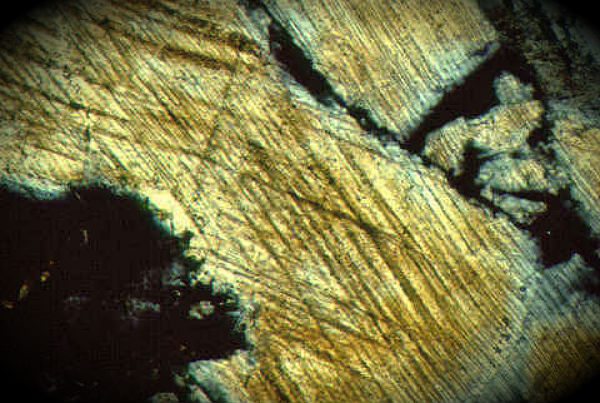
    Scientists have identified what appear to be terrestrial versions of tranquillityite in billion-year-old rocksin Western Australia. Tranquillityite is a mineral consisting of iron, zirconium, yttrium, titanium, silicon and oxygen. It is named after the moon’s Sea of

  • 2012 Quadrantids guide for skywatchers

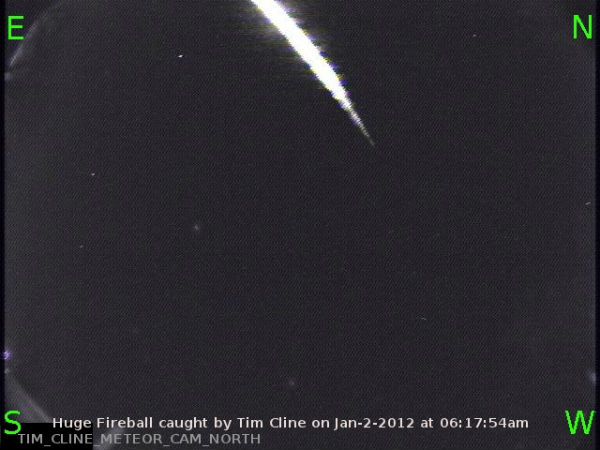
    Earth is about to pass through a stream of debris from 2003 EH1, a comet fragment that produces the annual Quadrantid meteor shower. Forecasters expect the shower to peak around 07:20 UT (02:20 am EST) on Wednesday morning, January 4th. At maximum, as many as 100

  • The 2012 Quadrantid meteor shower

    The first meteor shower this year —  Quadrantid meteor shower —  will occur at around 2 a.m. EST (0700 GMT) on Jan. 4. While many meteor displays in 2011 were washed out by a bright moon, the Quadrantid meteor shower is expected to put on a spectacular light