• ‘Twin comets’ to safely fly past Earth

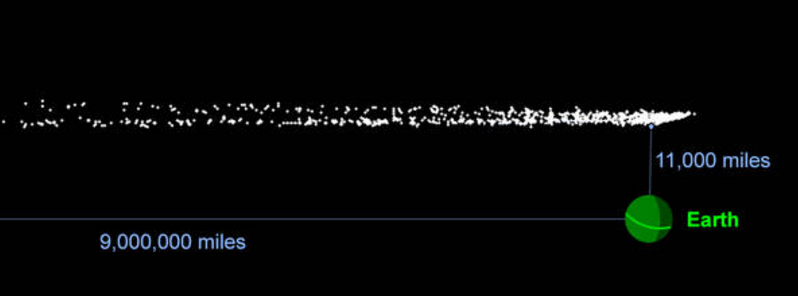
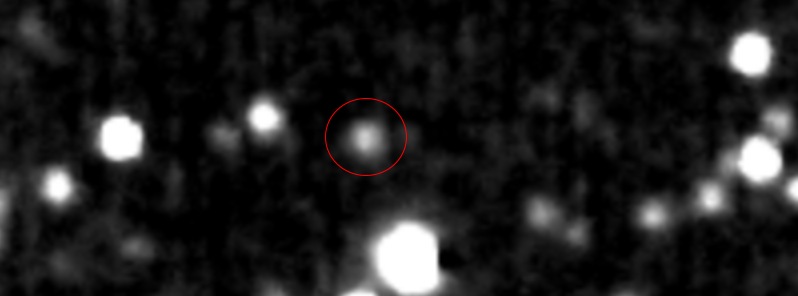
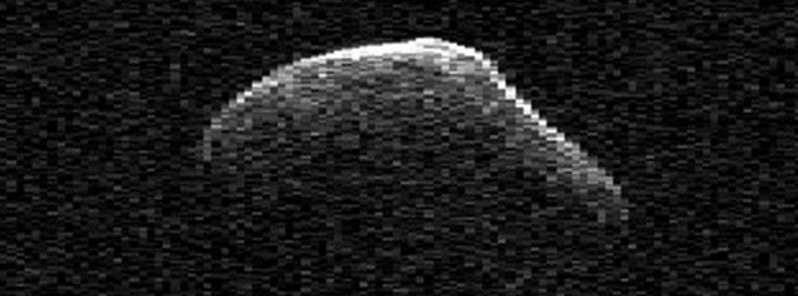
    Two Jupiter-family comets – 252P/LINEAR and P/2016 BA14 (PANSTARRS) – will safely fly past Earth on March 21 and 22, 2016 at a distance of 5.2 million km (3.3 million miles) and 3.5 million km (2.2 million miles), respectively. The two comets have intriguingly…

  • Asteroid 2016 EF195 detected 4 days after very close flyby

    Newly discovered asteroid 2016 EF195 made a very close approach to Earth on March 11 and flew by us at 0.08 lunar distances. The closest approach occurred at 04:35 UTC at about 31 565 km (0.000211 AU / 0.08 LD / 19 613 miles) from the surface of our planet. This…

  • Bright spots of Ceres reveal unexpected changes

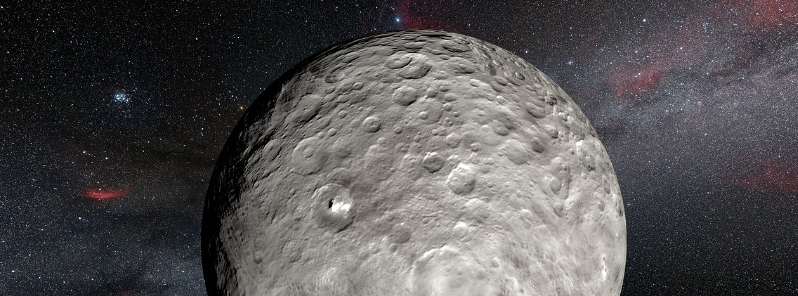
    New observations of the dwarf planet Ceres, made by the HARPS spectrograph at ESO's La Silla Observatory in Chile show its bright spots become brighter during the day and show other variations, not only those changes related to planet's rotation. The results…

  • Asteroid 2013 TX69 to safely pass Earth on March 5

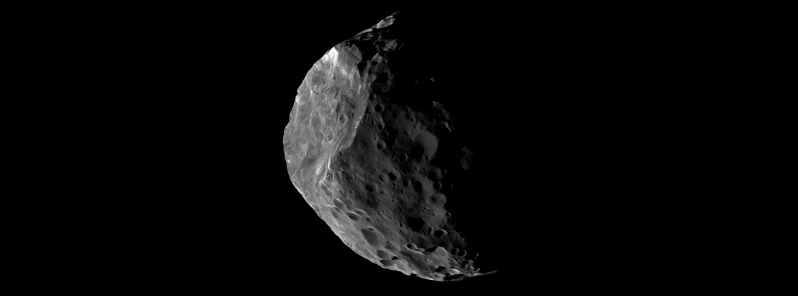
    2013 TX68, the small asteroid that flew by our planet two years ago is now coming back again for another flyby on March 5, 2016. This time, the asteroid might make a much closer pass though still at a safe distance. Two years ago, 2013 TX68 flew by Earth at a…

  • Asteroid 2003 SD220 to flyby Earth on Christmas Eve

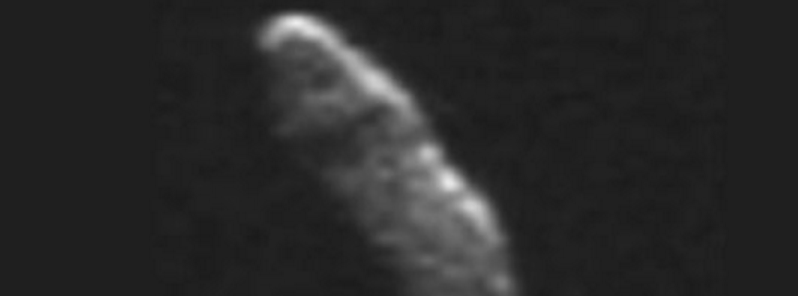
    The year 2015 seems to have another festive surprise in store for astronomy lovers across the globe. After the Halloween asteroid's close flyby in October, another object will pass by our planet on Christmas Eve. Asteroid 2003 SD220 will fly by Earth at a safe…

  • Giant comets pose a much greater hazard to life than asteroids

    The discovery of hundreds of giant comets in the outer planetary system over the last two decades means that these objects pose a much greater hazard to life than asteroids, a team of astronomers from Armagh Observatory and the University of Buckingham report. The…