• Severe thunderstorms kill 19, injure over 50 in Karachi, Pakistan

    Severe thunderstorms accompanied by heavy rain and gusty winds struck Karachi, Pakistan overnight on March 18–19, 2026, killing at least 19 people and injuring more than 50. The deadliest incident occurred in Mawachh Goth, Baldia, where a wall collapse killed 13 people, while six others died in separate rain-related incidents across the city. Authorities launched rescue and medical response operations.
  • Second kona low threatens renewed flooding in Hawaiʻi after record-breaking storm

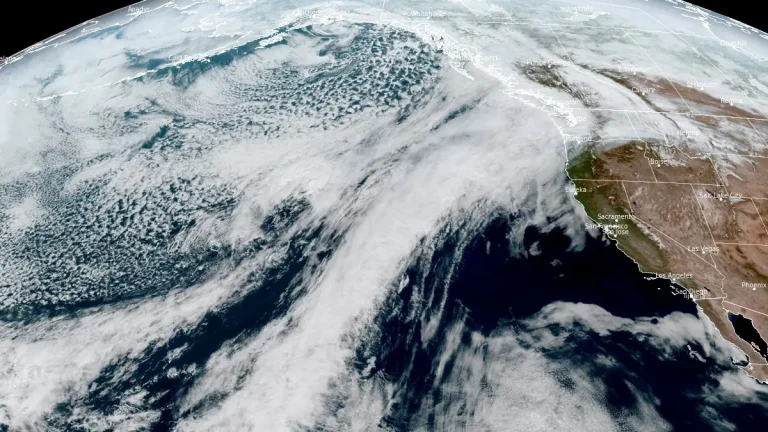
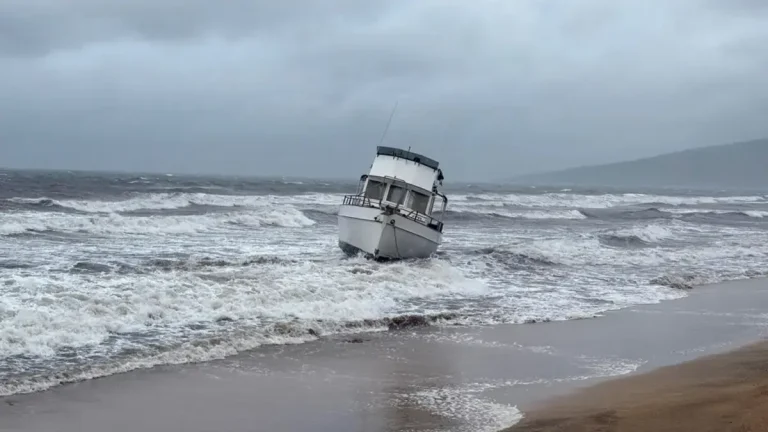
    A second Kona low is expected to affect the Hawaiian Islands beginning the evening of March 19, 2026, bringing additional rainfall to areas already impacted by record-breaking flooding from a previous storm. A Flood Watch is in effect from 18:00 LT on March 19 through 18:00 LT on March 22 for Maui County, Oʻahu, and Hawaiʻi Island.

  • Storm Therese brings heavy rainfall, flood and landslide risk to Canary Islands, Spain

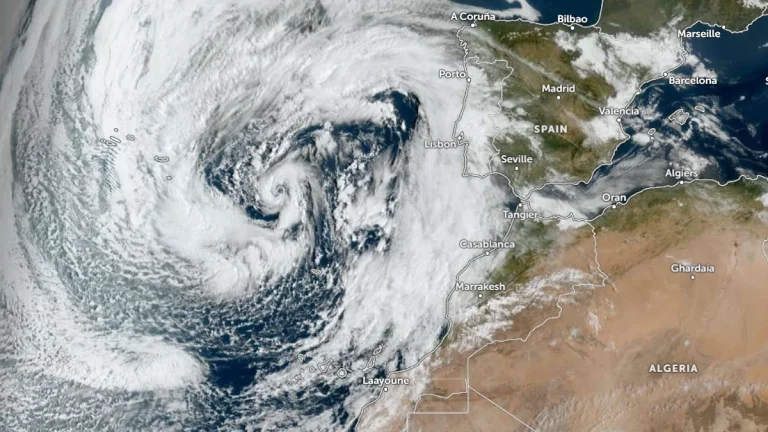
    Storm Therese began affecting the Canary Islands, Spain, on March 19, 2026, bringing strong winds, heavy rain, rough seas, and snowfall at high elevations. The severe weather is forecast to persist until at least March 2, with rainfall totals of over 300 mm (12 inches) being forecast in parts of La Palma and Tenerife, increasing the risk of flooding and landslides. Meanwhile, wind gusts above 90 km/h (56 mph) and waves over 5 m (16 feet) are expected.

  • Kona low brings extreme rainfall to Maui and Oʻahu, causing flooding and landslides across Hawaiʻi

    A slow-moving Kona low brought extreme rainfall to the Hawaiian Islands between March 10–16, 2026, producing record-breaking totals at multiple long-term stations, particularly on Maui and Oʻahu. Honolulu and Kahului both set new daily rainfall records on March 13, while multi-day accumulations on Maui reached up to about 1 170 mm (46 inches), triggering flooding, landslides, and widespread disruption.

  • Category 5 Severe Tropical Cyclone Narelle forecast to cross Far North Queensland on March 20

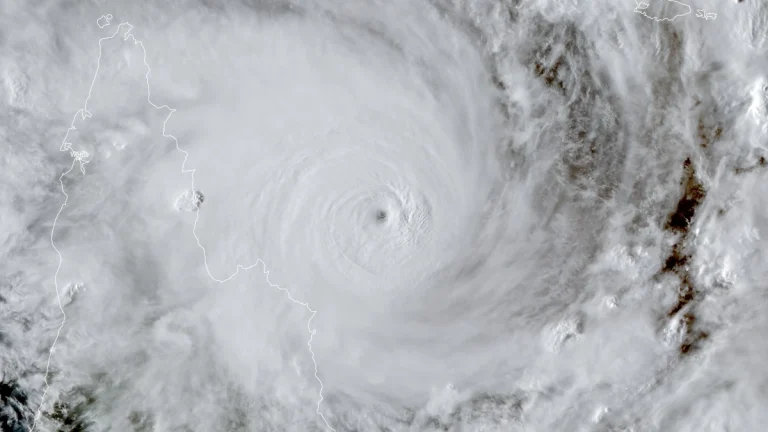
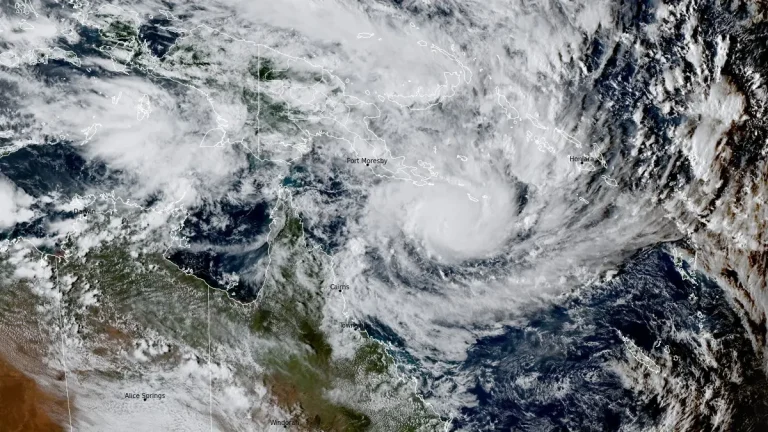
    Severe Tropical Cyclone Narelle intensified into a Category 5 system on March 19, 2026, and is forecast to cross the Cape York Peninsula between Lockhart River and Cape Melville, Queensland, on the morning of March 20. Very destructive wind gusts of more than 250 km/h (155 mph), heavy rainfall of 100 to 350 mm (4 to 14 inches), and dangerous coastal conditions including abnormally high tides and large waves are forecast near and south of the landfall area, although slight weakening to a high-end Category 4 before crossing remains possible.

  • Severe Tropical Cyclone Narelle forecast to briefly reach Category 5 before Queensland landfall, Australia

    Severe Tropical Cyclone Narelle is forecast to intensify to Category 5 peak intensity over the Coral Sea before approaching the Far North Queensland coast between Lockhart River and Cooktown on March 20, 2026. Destructive winds of over 250 km/h (155 mph), along with rainfall totals over 350 mm (14 inches), are expected to triggere flash flooding, significant storm surges, and coastal flooding.

  • Historic March blizzard buries parts of Michigan’s Upper Peninsula under up to 132 cm (52 inches) of snow

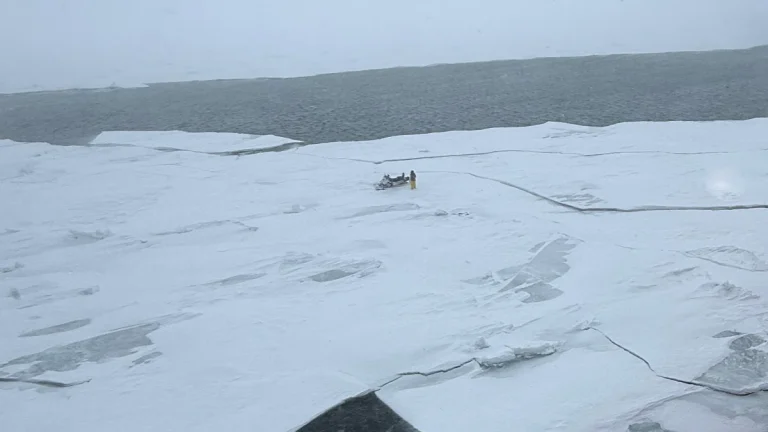
    A late-season blizzard affected northern Michigan between March 15 and 17, 2026, dropping up to 132.1 cm (52 inches) of snow in parts of the Upper Peninsula and breaking snowfall records at the National Weather Service office in Marquette. Governor Gretchen Whitmer declared a state of emergency on March 17 for seven counties in the Upper Peninsula and northern Lower Peninsula as heavy snow, ice, and strong winds disrupted travel and power service.

  • Spain sees wettest January–February in 47 years as Atlantic storms soak Iberian Peninsula

    Spain experienced an exceptionally wet winter between December 2025 and February 2026 as repeated Atlantic storms brought prolonged rainfall across the Iberian Peninsula. AEMET reported 323.2 mm (12.7 inches) of precipitation across peninsular Spain, equal to 171% of the 1991–2020 average, making it the country’s eighth wettest winter since 1961 and third wettest of the 21st century.