Iwo-Jima volcano enters new eruptive period, Japan
Satellite images taken on July 19, 2024, suggest Japan’s Iwo-Jima volcano, also known as Ioto and Ogasawara-Iojima, has entered a new eruptive period.


Satellite images taken on July 19, 2024, suggest Japan’s Iwo-Jima volcano, also known as Ioto and Ogasawara-Iojima, has entered a new eruptive period.

A severe cold snap has been affecting most of Argentina, including the capital Buenos Aires, since Saturday, July 6, 2024, with Patagonia becoming one of the coldest regions of the world. Argentina’s National Meteorological Service issued an Orange alert for regions surrounding the county’s capital and Yellow alerts for most other provinces.
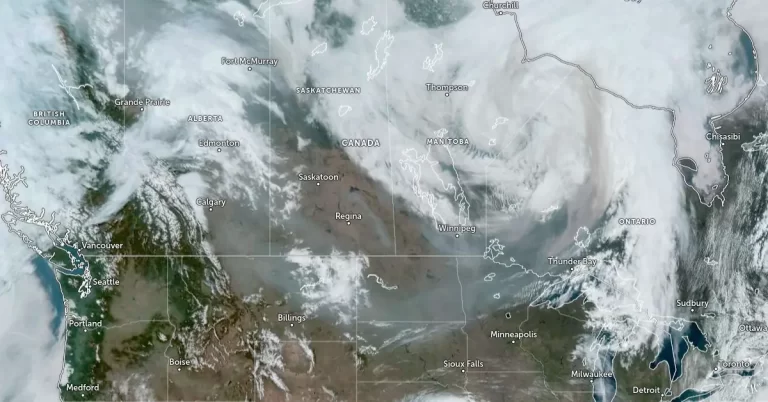
Multiple wildfires burning in British Columbia and Manitoba have forced thousands of people to evacuate and spread hazardous smoke into the northern United States, prompting air quality alerts.
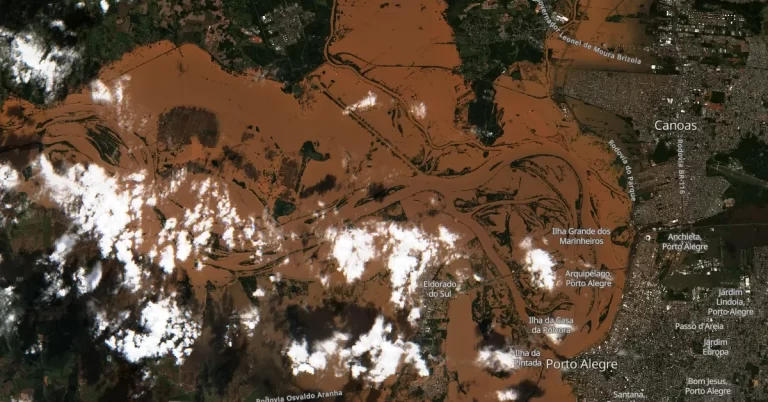
Heavy rainfall across southern Brazil has caused severe flooding and landslides over the past 9 days, significantly affecting the states of Rio Grande do Sul, Parana, and Santa Catarina.
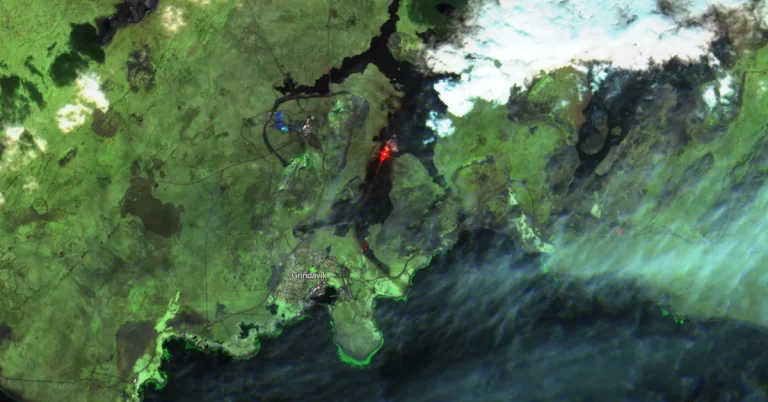
The Icelandic Met Office reports ongoing magma accumulation and land rise in Svartsengi, indicating a heightened risk for intensified volcanic activity or the formation of new fissures in the Reykjanes Peninsula.
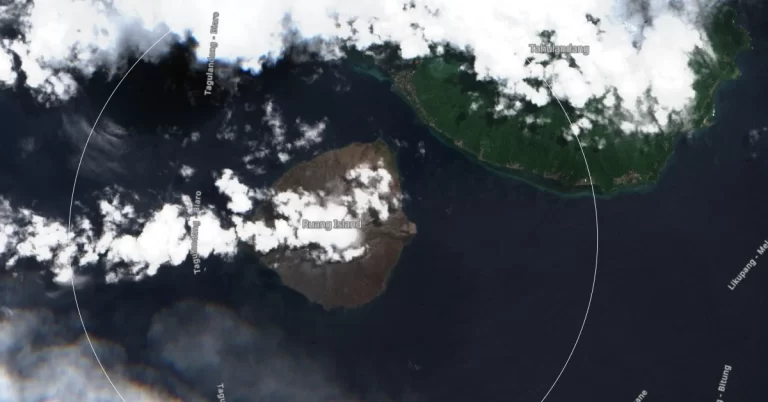
The Indonesian government has decided to permanently relocate 9 800 people living within 7 km (4.3 miles) of Ruang volcano, North Sulawesi, following a series of significant volcanic eruptions that began on April 16, 2024.
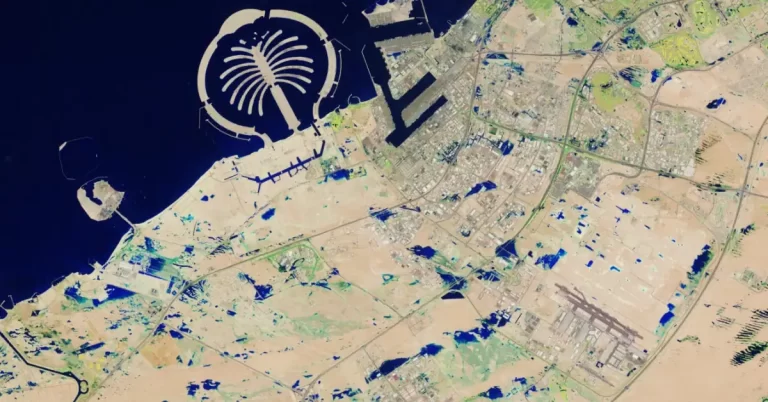
On April 16, 2024, the United Arab Emirates experienced a historic weather event, receiving a year’s worth of rainfall in just 12 hours, leading to severe flooding across the nation, including disruptions at Dubai’s major international airport. Following the floods, health concerns have risen due to water contamination that has reportedly sickened residents with symptoms linked to contaminated water.
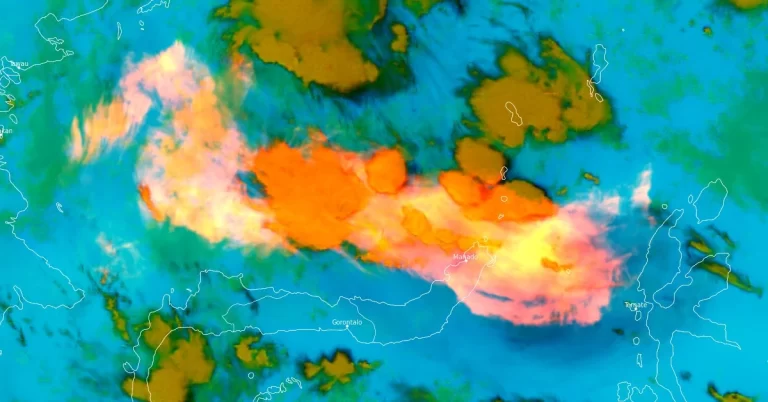
Indonesia’s Ruang volcano in North Sulawesi experienced several violent eruptions on April 16 and 17, 2024, forcing authorities to raise the Alert Level to 4 of 4 and warn nearby residents there is a potential of a tsunami if parts of the volcano collapse into the sea, similarly to what happened in 1871. The last eruptive episode at this volcano was in September 2002 (VEI 4).
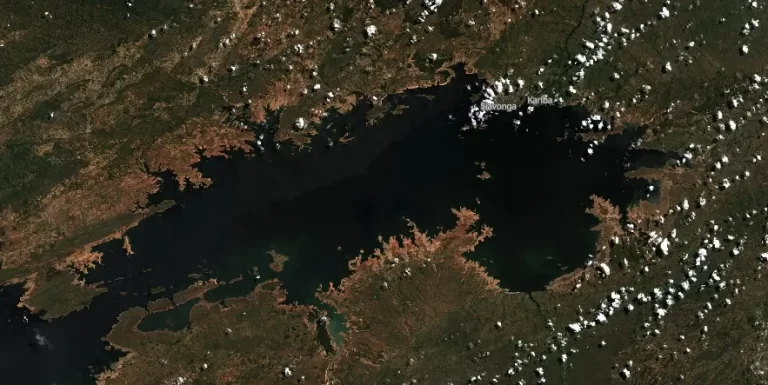
Zambia is in the throes of an unprecedented drought, prompted by El Niño, resulting in the driest February recorded since 1981. This natural disaster has compelled the President to declare a state of emergency, with 84 districts suffering and over 1 million ha (2.47 million acres) of crops devastated, causing widespread shortages in essential resources including food and water.
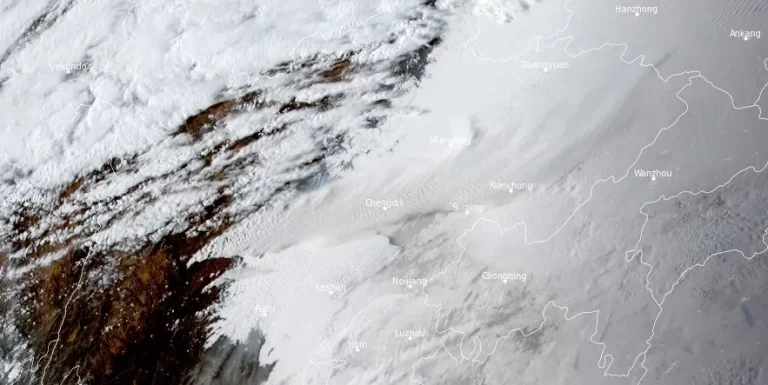
Devastating wildfires have swept through Sichuan and Yunnan Provinces in southern China since March 15, 2024, claiming four lives in Yunnan and leading to significant evacuations and damage. Reports from March 18 indicate that nearly 4 900 individuals have been evacuated in Sichuan’s Yajiang County alone, with the fires ravaging over 10 000 ha (24 710 acres) of land.
