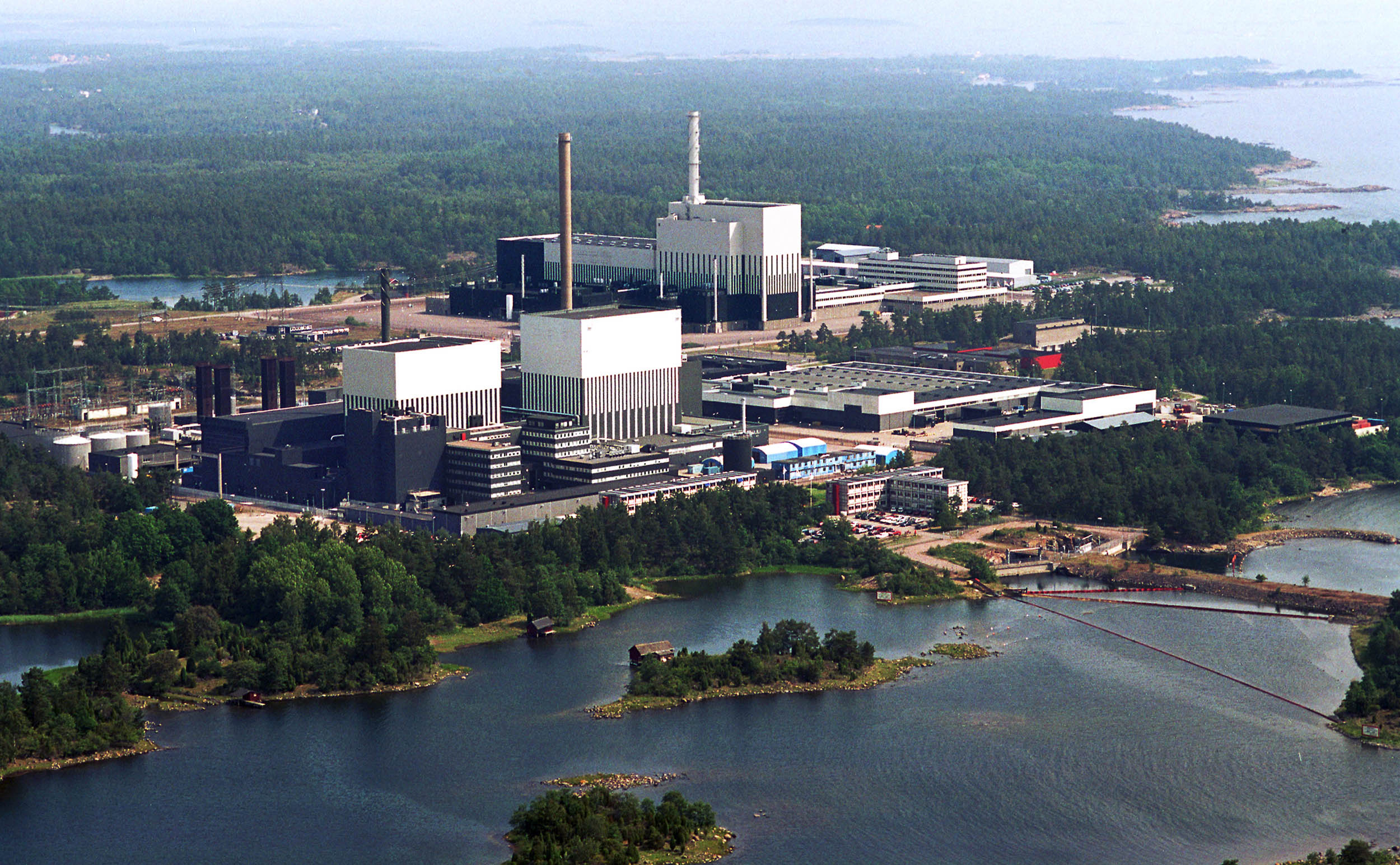
• Fire at nuclear reactor at Oskarshamn, Sweden

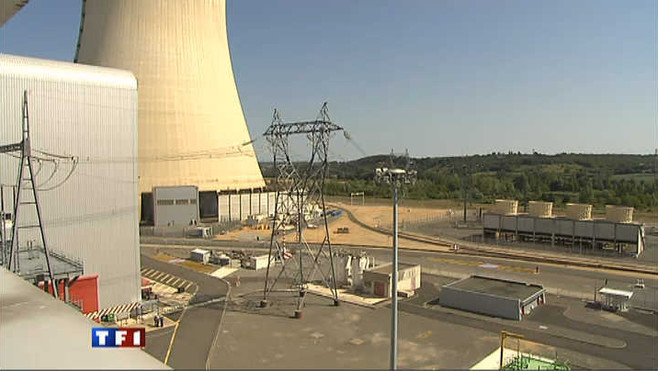
    The nuclear reactor at Oskarshamn was closed down late on Saturday night after a fire broke out at the plant. Although the fire, which broke out in the turbine hall of Unit 2, was quickly put out by the plant’s own emergency services, the reactor and the turbine
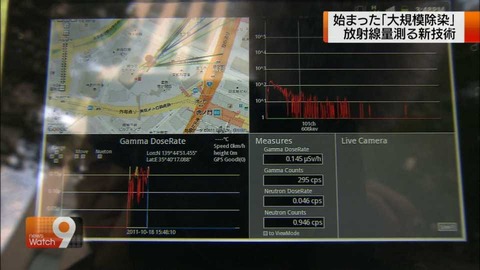
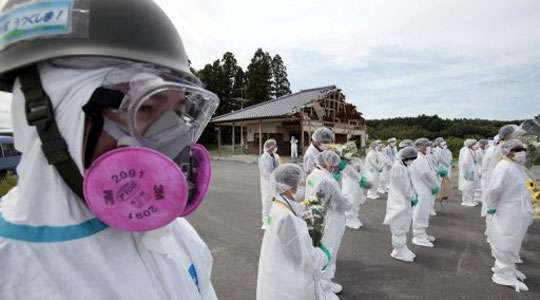
  • The waste from the Japanese earthquake and tsunami

    On 11 March 2011 there was a legal vacuum in Japan concerning radioactive waste resulting from a nuclear disaster. Current waste management Law places technical and financial responsibility for waste from natural disasters with local authorities. However, this excludes

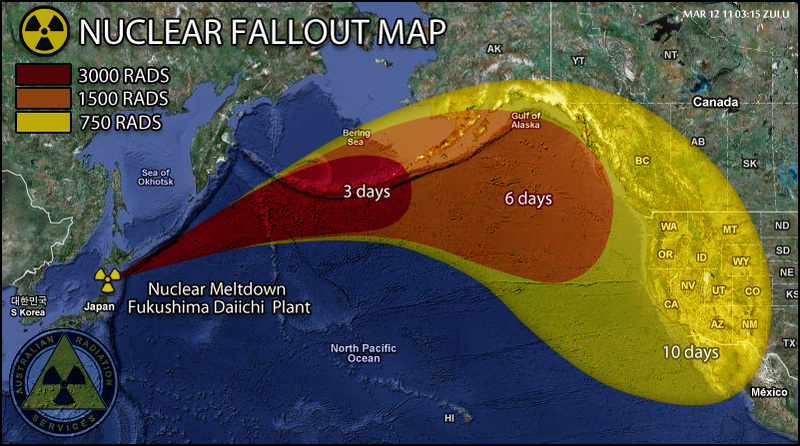
  • Traces of Japan nuclear fallout in California rainwater

    Low levels of radioactivity showed up in rainwater in northern California two weeks after the Japan nuclear disaster in March but soon returned to normal, said a US study out Wednesday.The detected levels of radioactive isotopes cesium, iodine, and tellurium were

  • Sunflower radiation absorption project grows around Fukushima.

    The devastating earthquake and tsunami that struck Japan in March caused a nuclear disaster that left high quantities of radioactive cesium and other toxins in the soil in around the Fukushima prefecture. But a recent campaign has been launched by civil servants and ind

  • Excessive radioactive cesium found in Fukushima fish

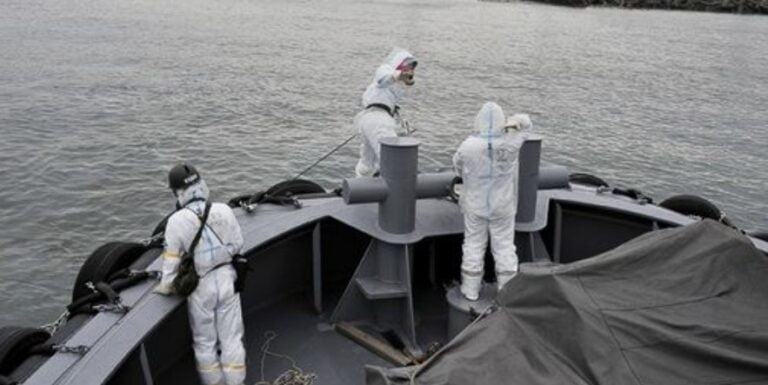
    Fish caught at a port about 55 kilometers from the crippled Fukushima Daiichi nuclear power plant contained radioactive cesium at levels exceeding an allowable limit, the environmental group Greenpeace said Tuesday.The samples taken at Onahama port in Iwaki, Fukushima

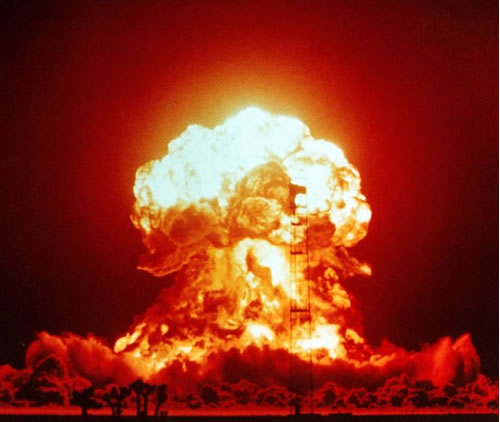
  • History of nuclear weapons testing

    The first nuclear weapon was detonated as a test by the United States at the Trinity site on July 16, 1945, with a yield approximately equivalent to 20kilotons. The first hydrogen bomb, codenamed “Mike”, was tested at the Enewetak atoll in the Marshall

  • Millions fewer girls born due to nuclear radiation?

    Nuclear radiation from bomb tests and power plant accidents causes slightly more boys than girls to be born, a new study suggests. While effects were seen to be regional for incidents on the ground, like Chernobyl, atmospheric blasts were found to affect birth