What's up for September 2013
A lunar night launch, Comet ISON is spotted again, and the moon meets up with Saturn, Venus, Mars and Jupiter.
Source:


A lunar night launch, Comet ISON is spotted again, and the moon meets up with Saturn, Venus, Mars and Jupiter.
Source:

The peak of this year's Perseid meteor shower, the biggest annual meteor shower event, will be on a "Moon free" night of August 12 – 13. The source of this meteor shower is stream of debris from Comet

What to look for in the night sky during August 2013?! Your guide to constellations, deep-sky objects, planets and events.
Evening Planets
In the evening twilight, brilliant Venus makes a dazzling appearance over the western horizon. Catch it quickly before
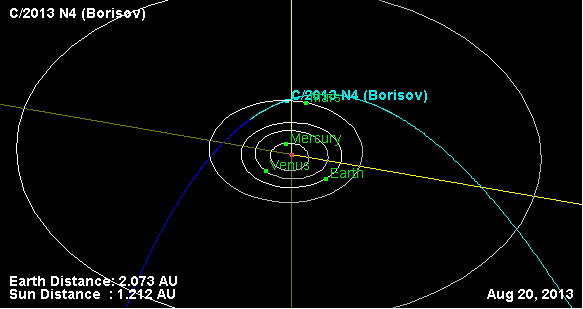
Ukrainian amateur astronomer Gennady Borisov discovered a new comet near the bright star Capella in the constellation Auriga. The comet was discovered on July 8, 2013 during a "Southern Night" star party in Crimea, Ukraine. Confirmation of
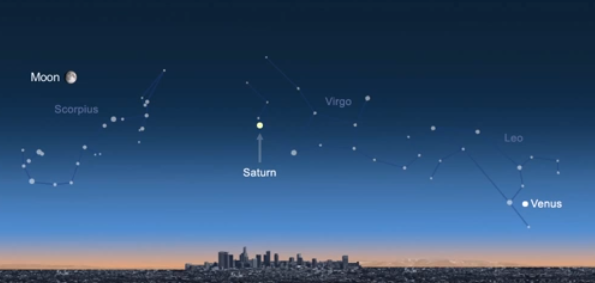
Saturn is well-placed for viewing this month, revealing its northern hemisphere and a ring tilt open to 17 degrees. And July is a great month to spot Saturn's third-largest moon Iapetus.
On July 15 and 16 you'll be able to spot our moon near
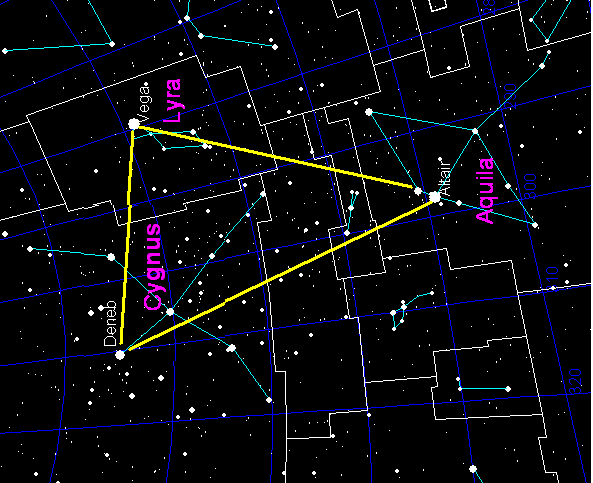
During the summer sky watchers in the Northern Hemisphere can observe the famous "Summer Triangle" which form stars Vega, Altair an Deneb. Actually, the triangle can be seen from the mid-northern latitudes throughout the year, but it is especially

See when to see the planets, as well as constellations in the night sky and meteor showers, in July 2013 in this skywatching video guides.
July Night Sky: See Planets & Constellations
Morning Planets, Meteor Shower Grace
July 2013
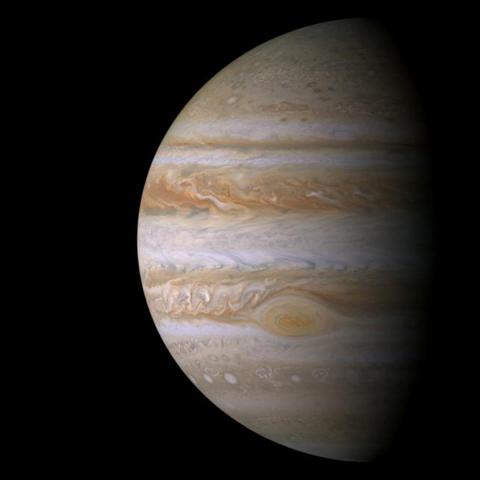
Planet Jupiter began the month of June 2013 being positioned very low in the west sky just after sunset. However soon it will disappear into the solar glare, as Jupiter is approaching the Sun for a solar conjunction on June 19, 2013. At that time Jupiter will
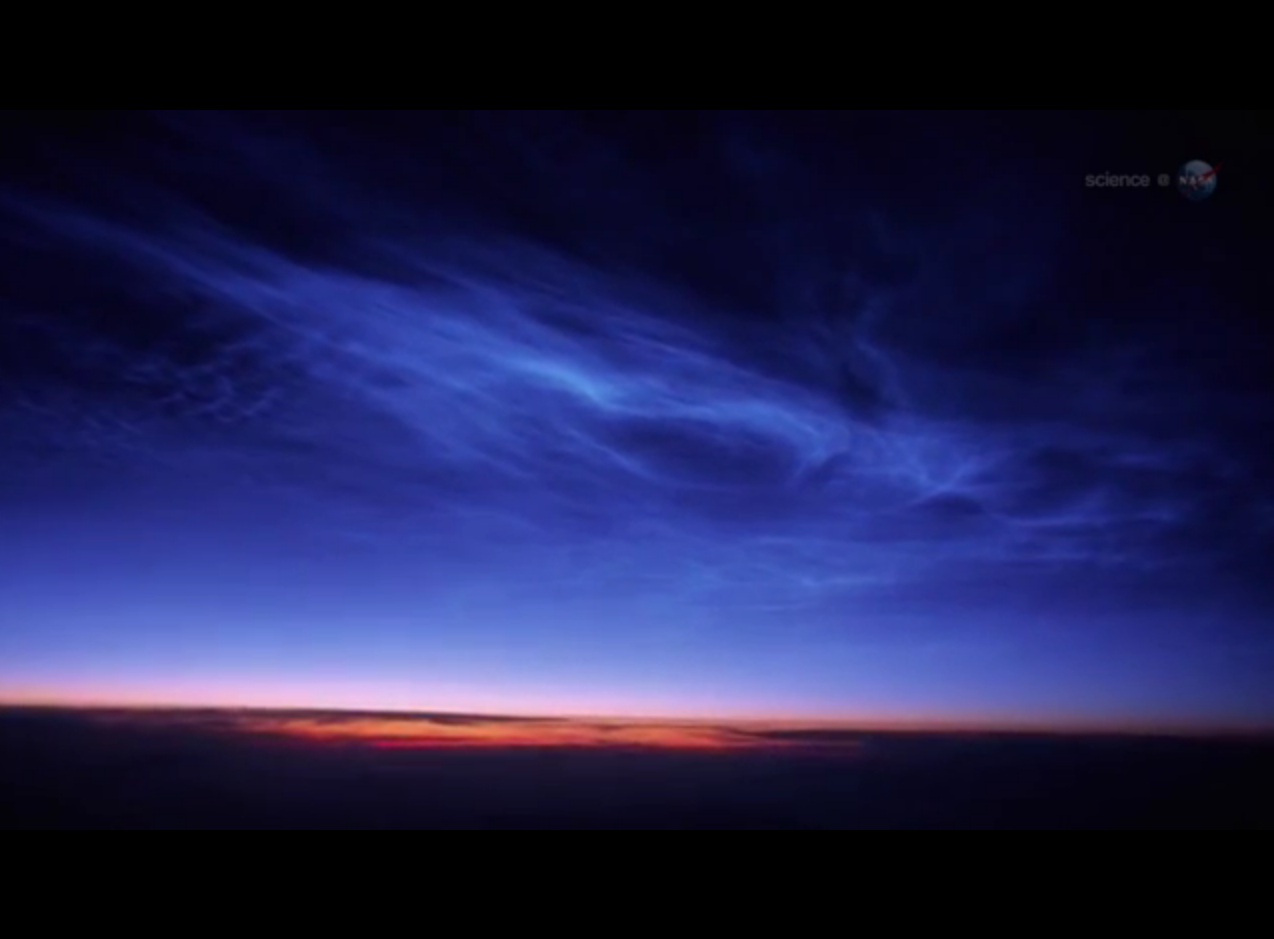
Every summer, above the North pole, icy crystals begin to cling to the smoky remains of the meteors, forming hypnotic electric-blue clouds known as noctilucent clouds (NLC`s). These clouds are especially of interest to high latitude skywatchers, and around the Arctic
The month begins with a gorgeous trio of planets: Mercury, Venus and Jupiter, low on the west-northwest horizon. As the month progresses, Jupiter slips into the sunset while Mercury and Venus rise higher in the sky.
Asteroid 1998 QE2, which safely passed by
