• Turmeric ointment heals oral lichen planus in clinical study

    Lichen planus can affect the face, the mouth, the hands and feet and practically any other skin surface of the body. It is difficult to treat and the cause is often mysterious. The lesions may continue for years or may periodically emerge – sometimes in different

  • Health authorities admit 'wind turbine syndrome' is real

    An Irish health official has warned that people who live near massive wind turbines of the sort used to generate electricity run the risk of having their physical and psychological health compromised.

    According to a report in the Irish Examiner newspaper,

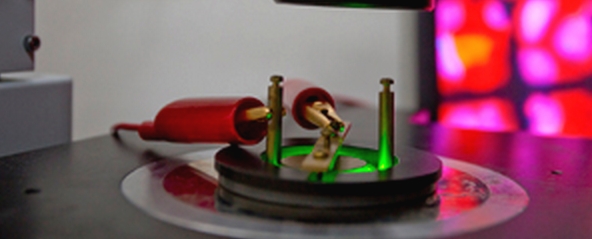
  • Research tests range of electrical frequencies that help heal chronic wounds

    Naturally occurring electricity in our cells is key to how our bodies function, and that includes the healing of wounds.

    And externally applied low-amplitude electric fields have been shown to help hard-to-heal chronic wounds, like those associated with diabetes,

  • Studies find new links between sleep duration and depression

    A genetic study of adult twins and a community-based study of adolescents both report novel links between sleep duration and depression. The studies are published in the February 1 issue of the journal Sleep.

    "Healthy sleep is a necessity for physical,

  • Agent Orange linked to skin cancer risk

    Vietnam War veterans with prior exposure to the herbicide Agent Orange may be at higher risk for certain types of skin cancer, suggests a report in the February issue of Plastic and Reconstructive Surgery®, the official medical journal of the American

  • Researchers discover process that turns 'good cholesterol' bad

    Cleveland Clinic researchers have discovered the process by which high-density lipoprotein (HDL) – the so-called "good cholesterol" – becomes dysfunctional, loses its cardio-protective properties, and instead promotes inflammation and

  • Melatonin may lower prostate cancer risk

    Higher levels of melatonin, a hormone involved in the sleep-wake cycle, may suggest decreased risk for developing advanced prostate cancer, according to results presented here at the AACR-Prostate Cancer Foundation Conference on Advances in Prostate Cancer Research,