• Fatalities, evacuations, and agricultural losses mount as Storm Marta strikes Portugal and Spain

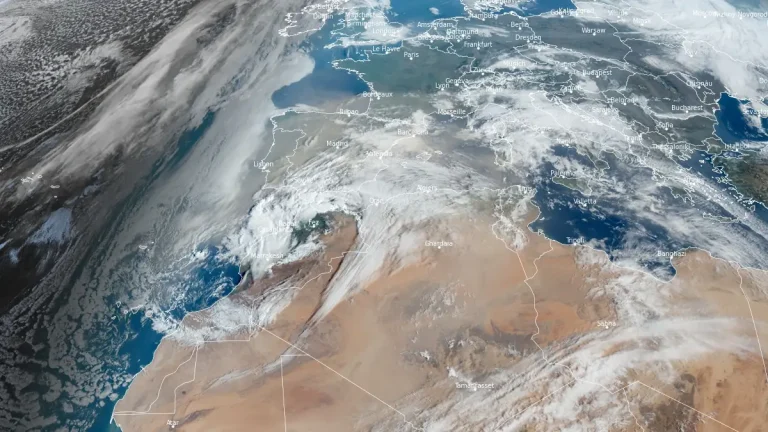
    Storm Marta swept across Portugal and Spain between February 6 and 8, 2026, killing at least two people and displacing more than 11 000 as torrential rain, snow, and winds up to 120 km/h (75 mph) caused extensive flooding and agricultural losses. It was the third major Atlantic storm in less than two weeks, following Leonardo and Kristin.

  • One dead and child missing as Storm Leonardo floods southern Spain and Portugal

    Flooding caused by Storm Leonardo left one person dead in Portugal and a child missing in southern Spain between Tuesday and early Thursday, February 3–5, 2026, as exceptional rainfall inundated towns across the Iberian Peninsula. Emergency services carried out evacuations and search operations as river levels rose rapidly.

  • Tropical Storm Penha (Basyang) expected to make multiple landfalls over Mindanao and Visayas, Philippines

    Tropical Storm Basyang is forecast to make multiple landfalls across the southern and central Philippines, beginning with Surigao del Sur late February 5 or early February 6, 2026. The system is forecast to cross Mindanao and may pass close to or make landfall over Siquijor and southern Negros Oriental before moving toward Palawan.

  • At least 12 dead, 2 000 homes destroyed as Tropical Cyclone Fytia hits Madagascar

    At least 12 people were killed and more than 77 000 affected after Tropical Cyclone Fytia struck northwestern Madagascar at 01:40 UTC on January 31, 2026. Winds of 185 km/h (115 mph) and intense rainfall caused severe damage across 35 districts, with Soalala and Mitsinjo among the hardest hit. Fytia is the 7th named storm of the 2025/26 South-West Indian Ocean cyclone season.

  • Driest short rains season since 1981 push over 2 million people into crisis-level food insecurity in Kenya

    Severe drought conditions are affecting over 2 million people across Kenya as of February 2026, following the failure of the short rain season between October and December 2025, which was the driest since 1981. Rainfall across most arid and semi-arid counties reached only 30%–60% of the long-term average, significantly worsening food and water insecurity.