• Piton de la Fournaise enters new effusive phase inside Enclos Fouqué caldera, La Réunion

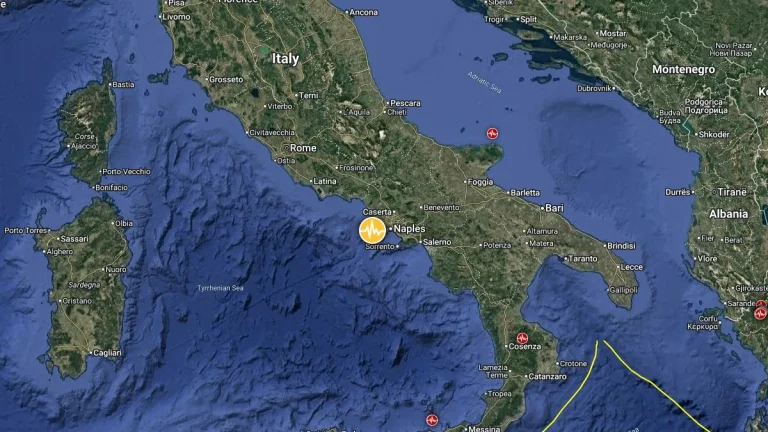
    Piton de la Fournaise volcano on La Réunion entered a new eruptive phase at 19:42 LT (16:42 UTC) on January 18, 2026, after a strong seismic crisis and rapid ground deformation. The eruption is effusive, producing lava flows from fissures on the northern flank inside the Enclos Fouqué caldera. This is the first eruption at Piton de la Fournaise since August 2023.

  • Shallow M5.6 earthquake hits Gilgit-Baltistan region, Pakistan

    A shallow earthquake registered by the USGS as M5.6 (downgraded from M5.9) struck near Barishal, Gilgit-Baltistan, Pakistan at 06:21 UTC on January 19, 2026. The agency is reporting a depth of 35 km (21.7 miles). EMSC is reporting M5.7 at a depth of 31 km (19.3 miles).

  • Snow squalls create hazardous travel conditions across Ohio and Pennsylvania

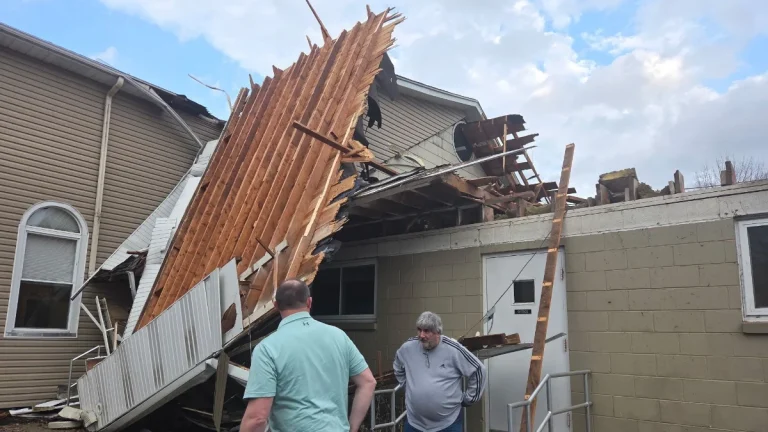
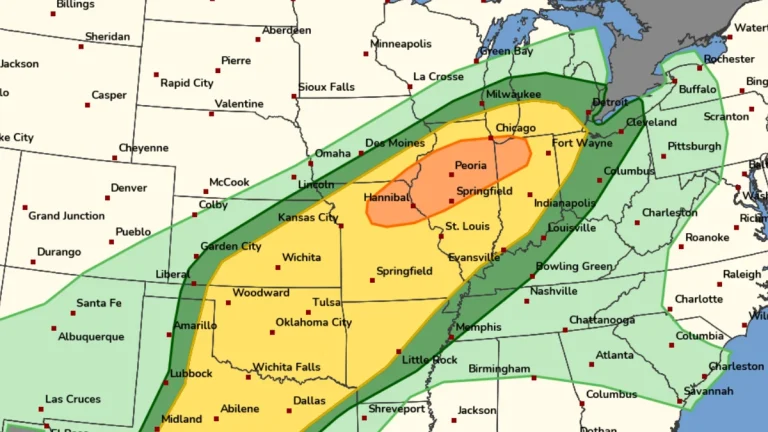
    Snow squalls continued through the Saturday afternoon, January 17, 2026, across parts of Ohio and Pennsylvania as an Arctic cold front advanced eastward from the Midwest into the Interior Northeast. The National Weather Service warned of sudden whiteout conditions, gusty winds, and rapidly deteriorating visibility, creating dangerous travel for motorists.

  • Major polar vortex disruption brings Arctic surges across North America and Europe through January and early February

    A major polar vortex disruption has begun and is forecast to send Arctic air into much of North America and Europe through mid and late January 2026. The event will bring freezing temperatures and winter weather as the vortex weakens following a stratospheric warming episode. A second, stronger outbreak is forecast to occur during the last part of January as the core of the vortex splits into two halves, each driving cold Arctic air into Europe and North America in February.

  • Pavlof volcano alert raised after rise in long-period earthquakes, Alaska

    A notable increase in seismic activity was detected at Pavlof volcano on the Alaska Peninsula on January 14, 2026, prompting the Alaska Volcano Observatory (AVO) to raise the alert level to Advisory and the Aviation Color Code to Yellow. No surface activity or eruptive changes were observed, and seismicity has since declined to background levels.

  • Weak La Niña supports wet north-dry south pattern across the western U.S. through March 2026

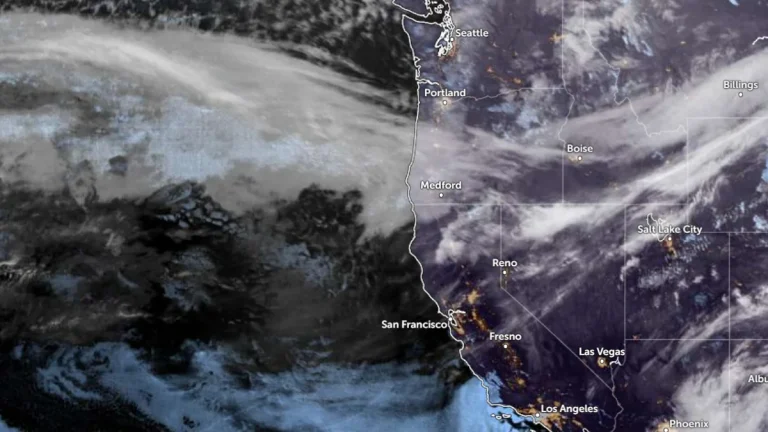
    Experimental seasonal forecasts from the Center for Western Weather and Water Extremes (CW3E) suggest that a weak La Niña is reinforcing a wet–north, dry–south precipitation pattern across the western United States during January–March 2026. The outlook shows high-confidence signals for below-normal precipitation in Southern California, while model uncertainty remains higher across central and northern California.