• Multiple injured after 100-vehicle pileup near Hudsonville, Michigan

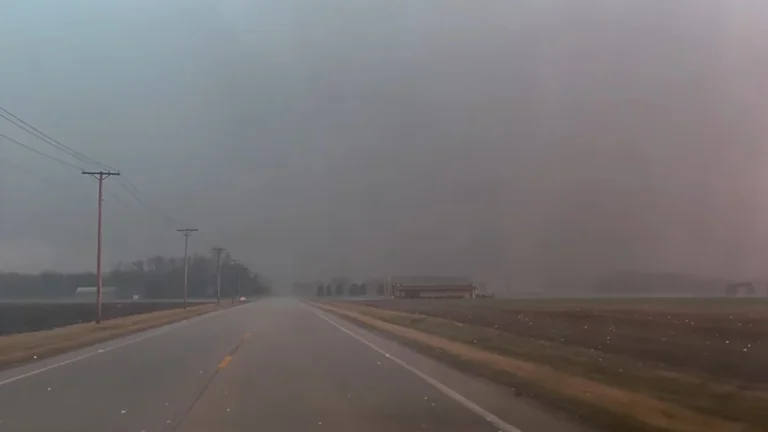
    Multiple injuries were reported after lake effect snow and whiteout conditions triggered a 100-vehicle pileup on the I-196 southeast of Grand Rapids on Monday, January 19, 2026. The crashes prompted the closure of all lanes of the highway throughout the day as crews cleared the road.

  • Woman killed, homes damaged as heavy rainfall and landslides strike New South Wales, Australia

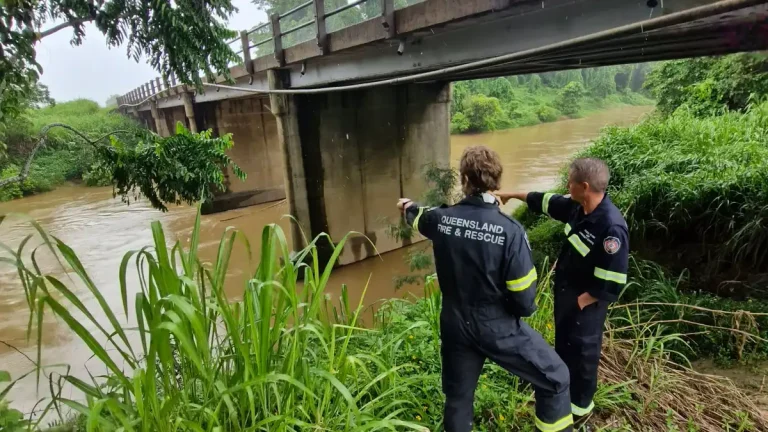
    Heavy rain and severe thunderstorms swept across New South Wales and southeast Queensland between Saturday and Monday, January 17 and 19, 2026, forcing evacuations around Sydney’s Narrabeen Lagoon and causing one death at Macquarie Pass. The storm system brought flash flooding, landslides, and dozens of rescues as the NSW State Emergency Service continued operations across inundated coastal suburbs.

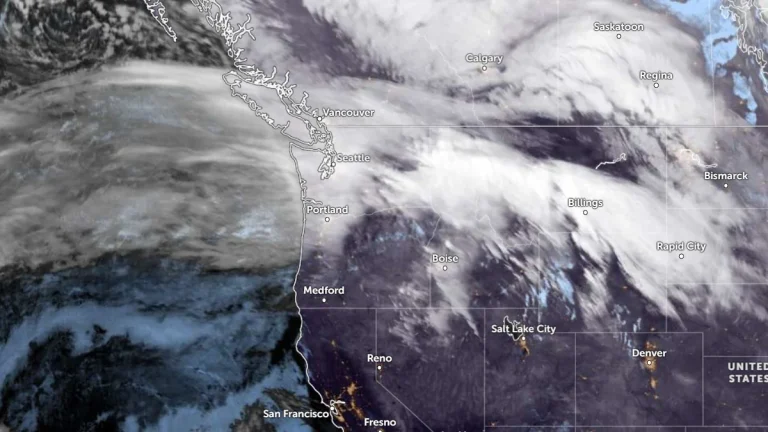
  • Winter storm warnings in effect across Great Lakes and Northeast U.S.

    Heavy snow and strong winds continue across the Great Lakes and Northeast U.S. on January 19, 2026, with winter storm warnings and advisories in effect across the region. Snow accumulations are forecast to reach 15–-35 cm (6–14 inches) in Michigan and up to 120 cm (4 feet) in parts of northern New York.

  • Schools closed across Ukraine as power outages worsen extreme cold outbreak in Kyiv

    An intense Arctic cold wave gripped Kyiv, Ukraine, in mid-January 2026, driving temperatures to -20°C (-4°F) amid an ongoing energy crisis. Large sections of the capital were left without heating or electricity after continued Russian strikes on the power grid, prompting some residents to temporarily leave unheated apartments and seek shelter in emergency warming centers. Schools across the country have been shut until February 1, due to the extreme conditions.

  • Nuclear-linked iodine-129 detected in the West Philippine Sea

    Elevated concentrations of iodine-129 were detected in seawater samples collected recently from the West Philippine Sea during a nationwide marine radioisotope survey conducted by the University of the Philippines Marine Science Institute. The concentrations were higher than those measured in other Philippine marine areas, despite the Philippines having no active nuclear power plant or nuclear weapons program.