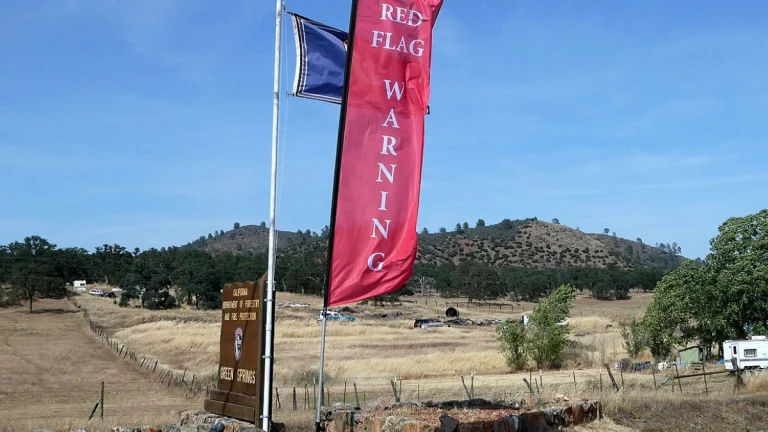
• Extreme and Critical fire weather trigger widespread Red Flag Warnings across Plains and Front Range

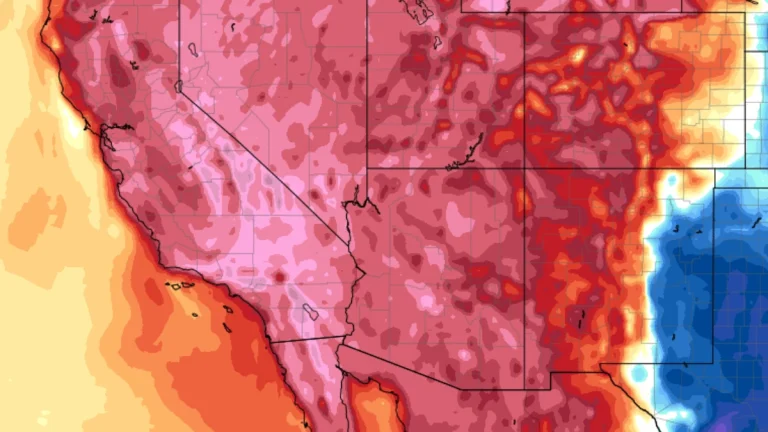
    Extremely critical fire weather conditions developed across parts of eastern Colorado, western Kansas, and the Texas and Oklahoma Panhandles on February 17, 2026, as a strengthening storm system produced very strong winds and exceptionally low humidity. Wind gusts locally exceeded 95 km/h (60 mph), while afternoon relative humidity values fell into the single digits. The Storm Prediction Center issued an Extremely Critical Fire Weather Outlook, and multiple National Weather Service offices posted Red Flag Warnings, including Particularly Dangerous Situation designations in some counties.

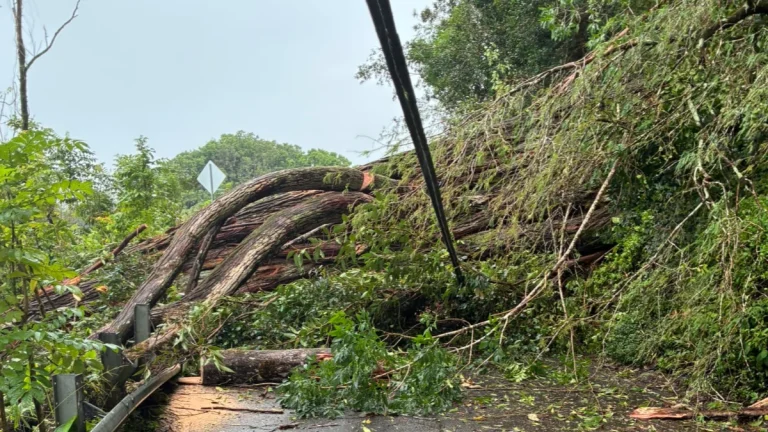
  • Tropical Cyclone Gezani leaves at least 63 dead across Madagascar and Mozambique

    Tropical Cyclone Gezani has left at least 63 people dead across Madagascar and Mozambique after striking eastern Madagascar on February 10, 2026, and later passing 15 km (9 miles) offshore from Mozambique’s Inhambane coast before weakening over the Mozambique Channel. Madagascar’s disaster management authority reports 59 fatalities, 15 missing persons, and 804 injured, with 423 986 people affected nationwide, while Mozambique officials confirmed four deaths and continued infrastructure disruption. Heavy rain and coastal hazards persisted into February 17 as the system looped west of southern Madagascar.

  • France records highest soil moisture since 1959 amid nationwide flood alerts

    France’s national flood monitoring service reports that soil moisture in the country has reached its highest level since records began in 1959. The prolonged rainfall of the past two months, intensified by Storm Nils, left soils fully saturated and reduced infiltration capacity, sustaining elevated flood risk nationwide. Evacuations, infrastructure closures, and power outages were reported in several regions.

  • New swarm of hybrid seismic events beneath Teide volcano, Tenerife

    A new swarm of hybrid seismic events began beneath Teide volcano on Tenerife at 20:00 LT (21:00 UTC) on February 16, 2026, according to the Instituto Volcanológico de Canarias (INVOLCAN). More than 300 very low-magnitude earthquakes have been detected so far by the Canary Seismic Network, marking the eighth swarm of this type recorded on the island since 2016. INVOLCAN attributes the activity to magmatic-fluid injection into Tenerife’s hydrothermal system and states that the likelihood of an eruption remains unchanged.

  • Progressive ground collapse in Central Aceh reaches 3 ha (7.4 acres), moves closer to homes and strategic infrastructure

    A large ground collapse in Pondok Balik Village, Ketol District, Aceh Tengah Regency, Indonesia, has expanded to approximately 3 ha (7.4 acres). Monitoring data from the Aceh Energy and Mineral Resources Office (ESDM Aceh) show the affected area has grown from about 2.8 ha (6.9 acres) in 2022 and has now reached the main road corridor. Field reports indicate the active scarp continues to move toward farmland and residential areas located roughly 300–400 m (984–1 312 feet) away.

  • Episode 42 shows high-intensity magma discharge and dual-vent activity at Kīlauea volcano

    Kīlauea volcano’s Halemaʻumaʻu crater produced one of its most intense eruptive episodes in months on February 15, 2026, when dual vents discharged lava at rates up to 780 m³/s (1 000 yd³/s) and fountains rose 400 m (1 300 feet) high before the activity paused at 23:38 HST. The episode released an estimated 11.4 million m³ (15 million yd³) of lava and covered about half of the crater floor.

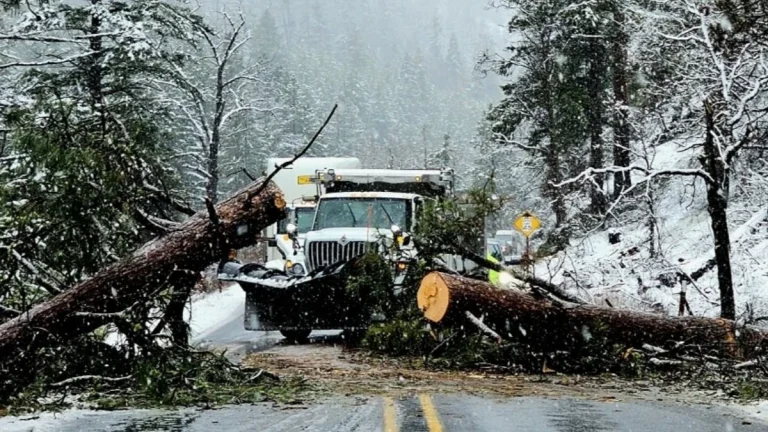
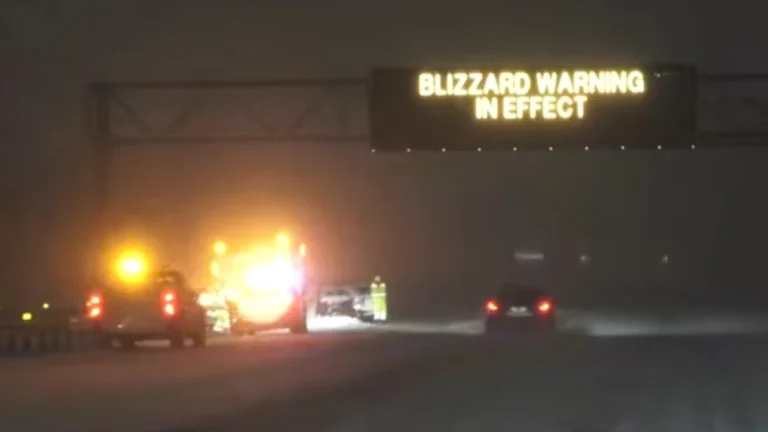
  • Extreme winter storm impacts expected in Sierra Nevada as Pacific storms bring up to 2.4 m (8 feet) of snow through February 18

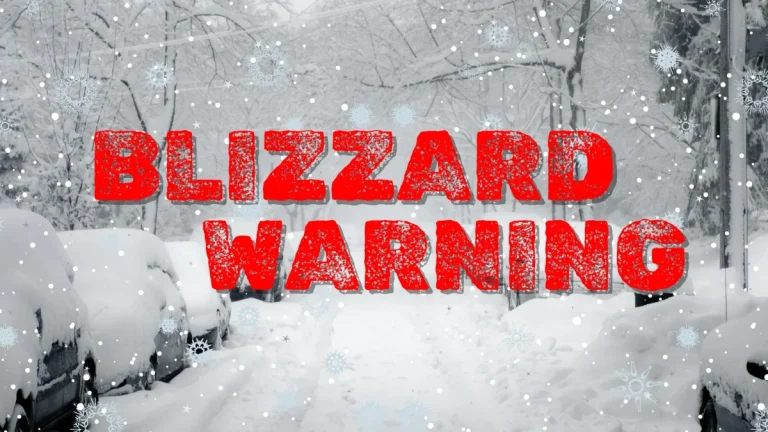
    Multiple storms are forecast to bring heavy snowfall to California through February 18, 2026, with snowfall rates exceeding 76 mm (3 inches) per hour in parts of the Sierra Nevada. Extreme impacts are possible across higher elevations, with travel conditions dangerous to impossible, and 1.2–2.4 m (4–8 feet) of snow forecast above pass level.