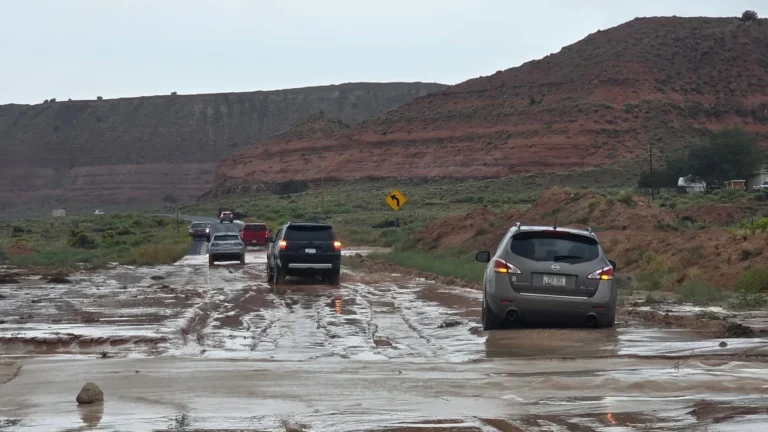
• Flash flooding kills 3 near Newcomb on Navajo Nation, New Mexico

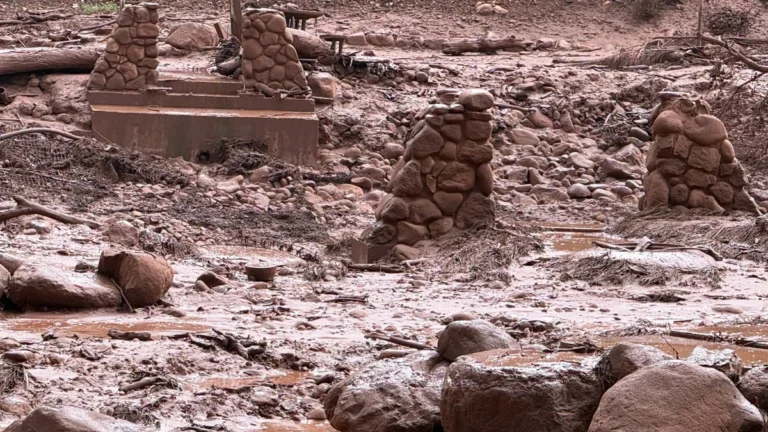
    Two adults and a juvenile drowned after being swept away by floodwaters near Newcomb, New Mexico, early on September 16, 2026. The deaths occurred amid a Navajo Nation-wide state of emergency for severe monsoon storms, flash flooding and storm-related damage to roads and infrastructure.
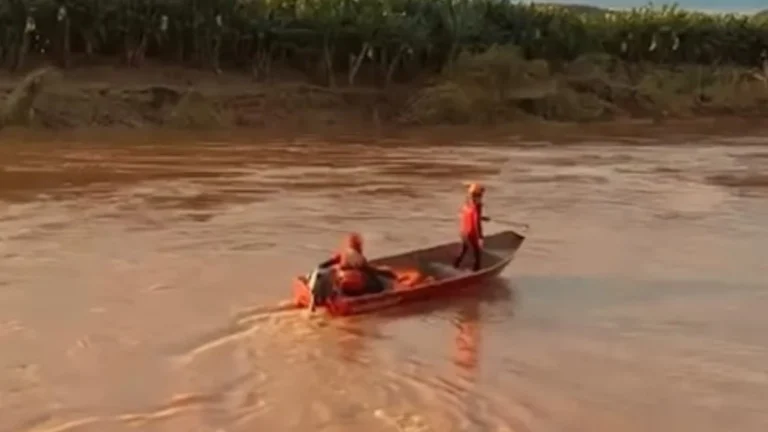
  • Flooding disrupts roads and access to communities across Vale do Ribeira after storms leave 3 dead in Greater São Paulo, Brazil

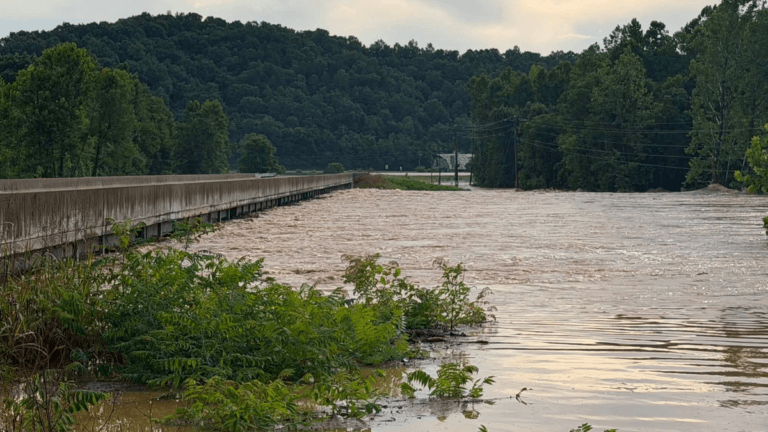
    Flooding along the Ribeira de Iguape River remained active in downstream parts of Vale do Ribeira, São Paulo state, on September 16, 2026, after waters receded in Ribeira, Iporanga and Eldorado. About 2 000 people have been affected in the region, while São Paulo authorities reported 3 deaths and 2 missing people from the wider storm episode elsewhere in the state.

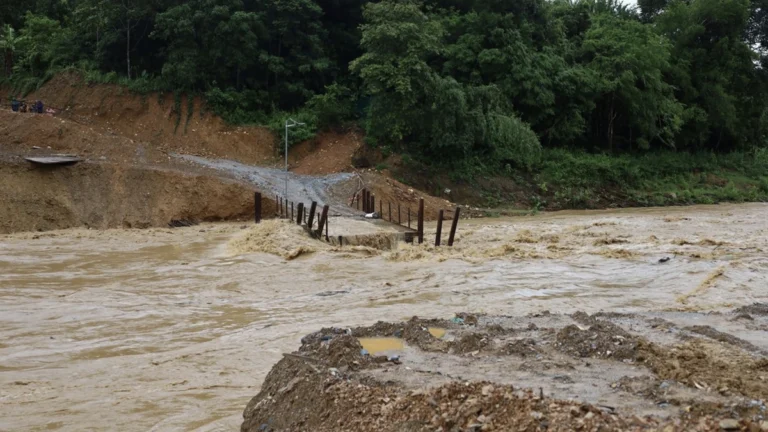
  • Major flood threat develops after up to 1 321 mm (52 inches) of rain in Vietnam

    Vietnam’s National Center for Hydrometeorological Forecasting raised flood-related natural-disaster risk to Level 2–3 at 15:30 LT on September 16 as rivers in Phú Thọ, Ninh Bình and Thanh Hóa reached or exceeded Alert Level 3. The escalation follows a multi-day rainfall episode that produced 1 321 mm (52.0 inches) of rainfall at Bạch Mã in Huế and flooded 940 homes in Quảng Trị.

  • Five dead as Bihar floods affect more than 3.4 million, Ganga exceeds previous highest levels

    Five people have drowned in flood-affected parts of Patna district as widespread flooding continues across Bihar, where more than 3.4 million people in 13 districts are affected as of September 8, 2026. The Ganga exceeded previous highest flood levels at Gandhi Ghat and Pandarak during the weekend, while the official flood-monitoring system showed the river still above its previous HFL at Sultanganj on September 8.**

  • Grand Canyon flash flood leaves at least two dead, forces Stage 4 water restrictions, Arizona

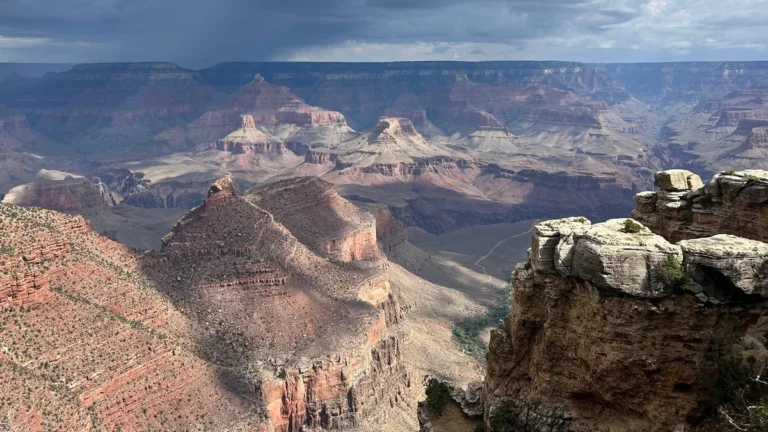
    Two people died and one remained unaccounted for after flash flooding struck Bright Angel Canyon and the Phantom Ranch area of Grand Canyon National Park, Arizona, on August 29, 2026. About 80 people were rescued, while the National Park Service said approximately 40% of the Transcanyon Waterline was damaged or destroyed, leaving it non-operational and prompting Stage 4 water restrictions on the South Rim.

  • More than 60 airlifted, 15 missing after Grand Canyon flash flood, Arizona

    More than 60 people were airlifted and approximately 15 remained missing or unaccounted for after flash flooding struck Bright Angel Canyon and the Phantom Ranch area of Grand Canyon National Park, Arizona, on August 29, 2026. The body of a 46-year-old man was recovered near Crystal Rapids on August 30, but authorities had not confirmed whether his death was connected to the flooding.

  • 11 people rescued after flash flooding at Bryce Canyon National Park, Utah

    Thunderstorms producing up to an estimated 51 mm (2 inches) of rain triggered flash flooding at Bryce Canyon National Park in Utah on August 24, 2026, prompting four rescue operations involving 11 hikers. Two people were taken to a hospital with signs of hypothermia, State Route 12 was temporarily closed, and a downstream USGS gauge on the Paria River rose from near-zero flow to 79 m3/s (2 780 feet3/s) in about 20 minutes.

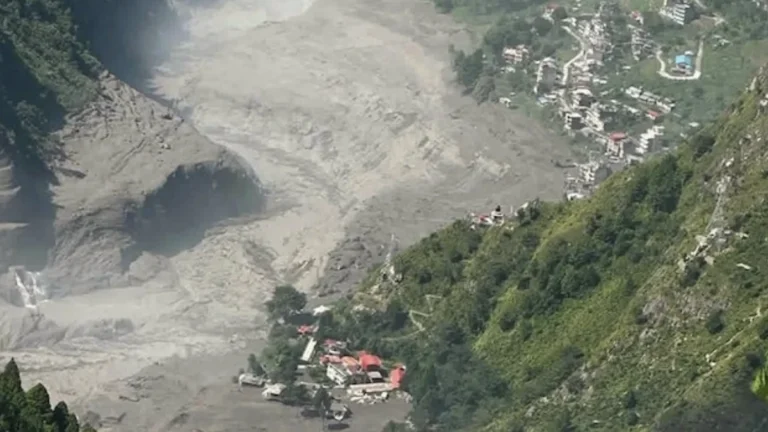
  • Bhote Koshi flash flood death toll rises to 489 in Nepal as upstream barrier lake overflows

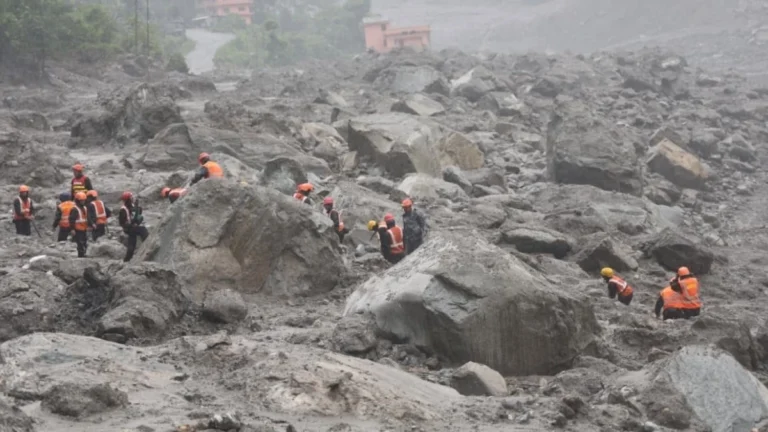
    The death toll from the August 26, 2026, Bhote Koshi–Trishuli flash flood in Nepal has risen to 489 as of August 28, while Nepal Police reported 2 381 people as unaccounted for in a provisional count that has not yet been reconciled with earlier government figures. Rescue operations were temporarily suspended after a newly formed barrier lake upstream near the Nepal-Tibet border began overflowing, prompting renewed flood warnings along the Bhote Koshi and Trishuli river corridors.

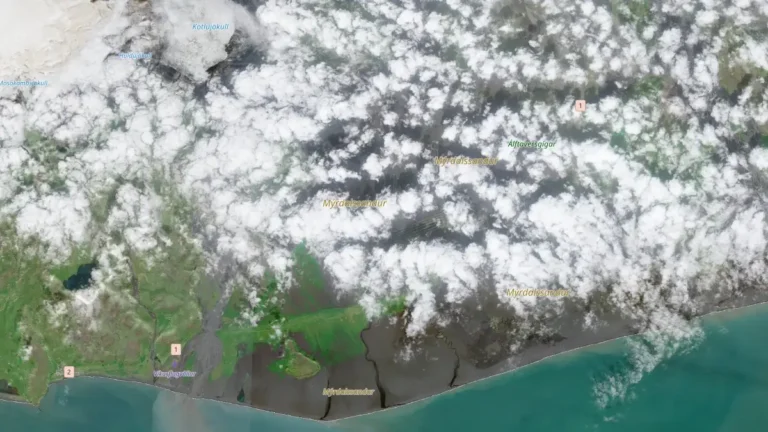
  • Discharge rises, significant gas pollution reported during Múlakvísl glacial outburst flood, Iceland

    Electrical conductivity in Múlakvísl rose to just over 500 µS/cm during an ongoing glacial outburst flood on August 20, 2026, while discharge increased and significant gas pollution continued, according to the Icelandic Meteorological Office (IMO). The river level had not risen significantly, but webcam observations showed the river spreading across a wider area.