I'm a dedicated researcher, journalist, and editor at The Watchers. With over 20 years of experience in the media industry, I specialize in hard science news, focusing on extreme weather, seismic and volcanic activity, space weather, and astronomy, including near-Earth objects and planetary defense strategies. You can reach me at teo /at/ watchers.news.

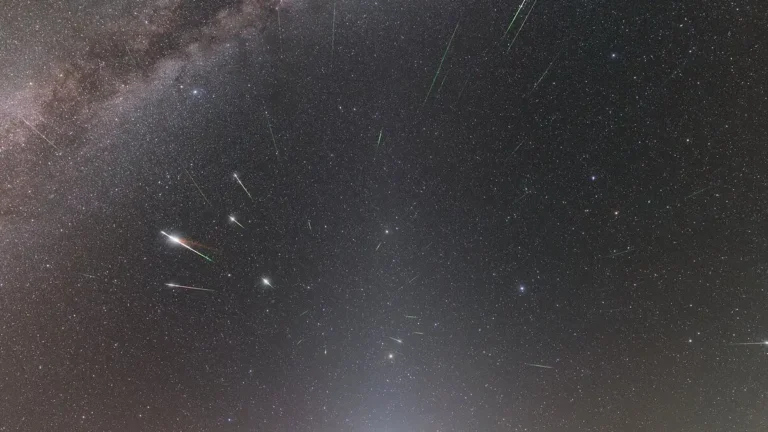
  • Eta Aquariids peak May 5-6 under bright moonlight

    The Eta Aquariid meteor shower peaks on the night of May 5-6, but strong moonlight will sharply reduce visible rates during this year’s maximum. Under ideal dark skies, the shower can produce up to about 50 meteors per hour, but bright moonlight in 2026 is expected to keep observed rates below 5 meteors per hour.
  • Lava flow from Stromboli’s North crater reaches coastline, Italy

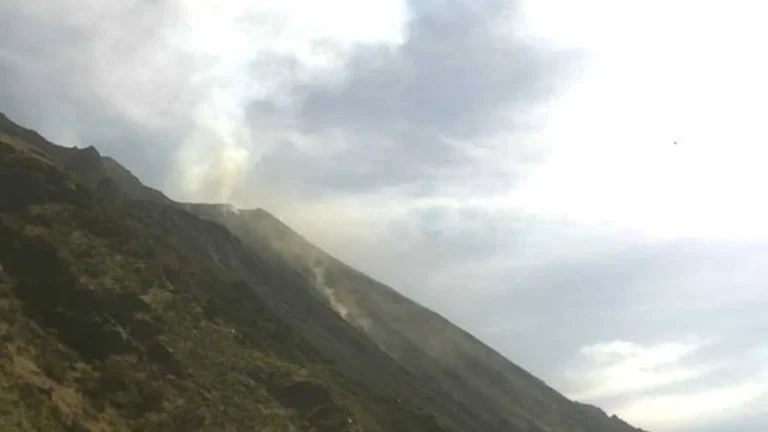
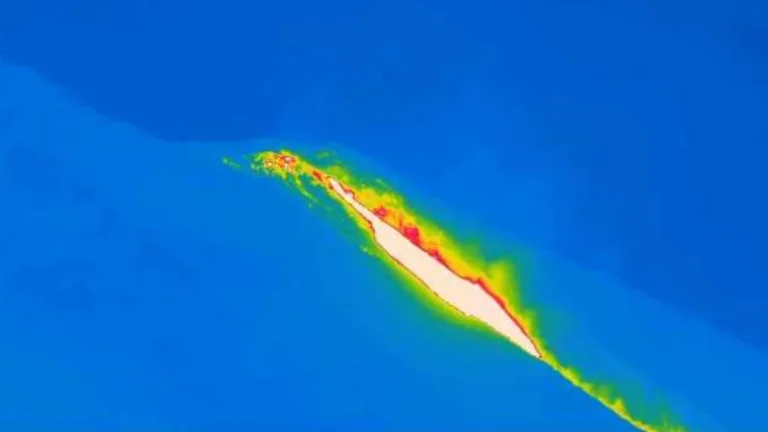
    Lava overflow activity increased at Stromboli from 21:20 LT (19:20 UTC) on May 4, 2026, sending a flow from the North crater area down the Sciara del Fuoco to the coastline by about 03:00 LT (01:00 UTC) on May 5. INGV reported average volcanic tremor, a slight increase in explosion-related earthquakes, and no significant GNSS change.

  • NASA and JAXA data show another record-low Arctic winter sea-ice season

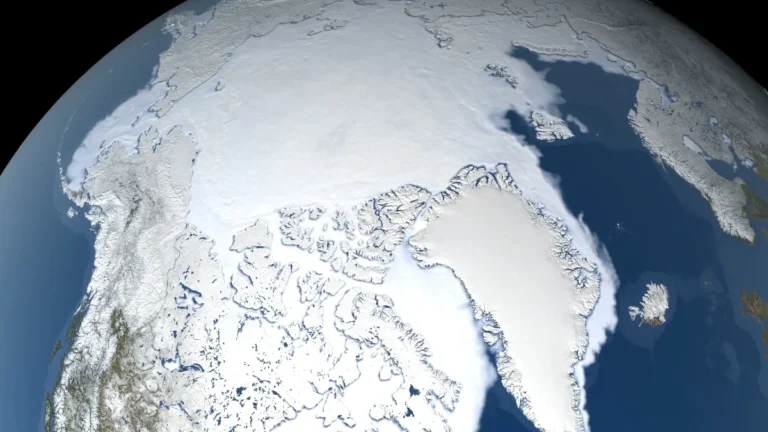
    Arctic winter sea ice remained at record-low levels in March 2026, with NASA and the National Snow and Ice Data Center (NSIDC) reporting a statistical tie with the 2025 minimum winter maximum and Japan’s NIPR/JAXA dataset reporting a new record low. Despite differences in measurement methods, both datasets place the 2026 maximum among the lowest observed since satellite monitoring began in 1979.

  • Intense spattering feeds lava overflow at Stromboli, Italy

    Stromboli’s North Crater area is producing intense spattering on May 4, 2026, feeding a lava overflow onto the Sciara del Fuoco, INGV-OE reported at 11:21 UTC. The lava front was in the middle-upper section of the slope, while volcanic tremor was in the high range.

  • Strong M6.0 earthquake hits Samar, Philippines

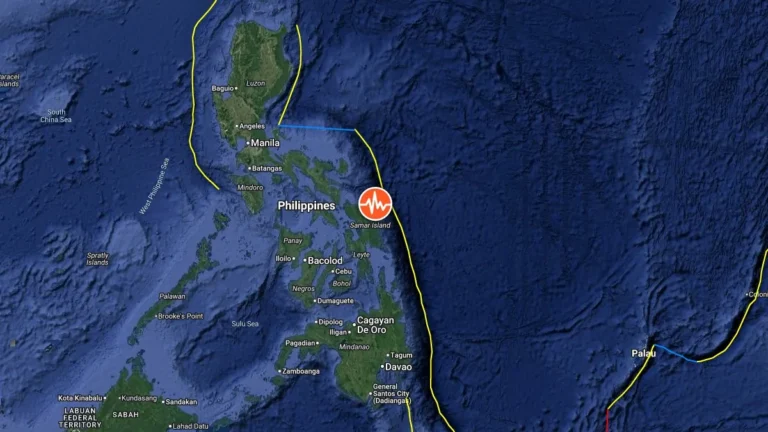
    A strong earthquake registered by the USGS as M6.0 hit Samar, Philippines, at 06:09 UTC (14:09 LT) on May 4, 2026. The agency is reporting a depth of 73.3 km (45.5 miles). EMSC is reporting M6.0 at a depth of 56 km (34.8 miles).

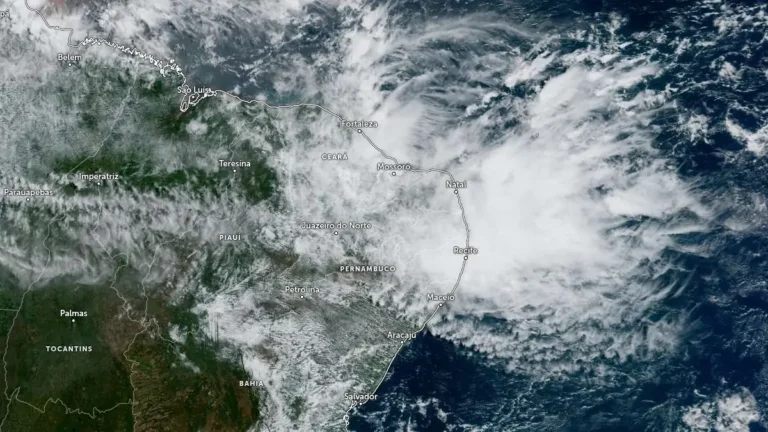
  • Heavy rainfall leaves 6 dead, thousands displaced in Pernambuco, Brazil

    Heavy rainfall left 6 people dead and nearly 3 000 people displaced or homeless in Pernambuco, northeastern Brazil, after floods, landslides, and river overflows affected Recife, the surrounding metropolitan area, and the Zona da Mata Norte on May 1 and 2, 2026. CEMADEN kept parts of Pernambuco under moderate hydrological and geological risk on May 3 due to saturated soil, previous rainfall accumulations, and elevated river levels.

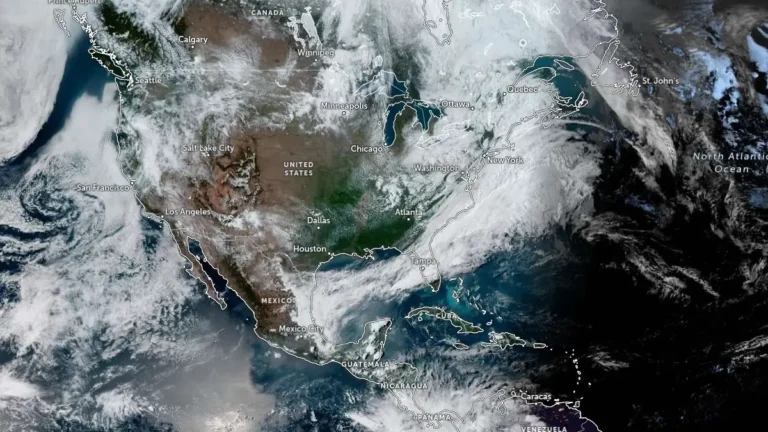
  • Storm-force winds and high seas forecast over western Atlantic as offshore low rapidly intensifies

    Storm-force winds and high seas are forecast over parts of the western Atlantic on Sunday, May 3, 2026, as a rapidly deepening low-pressure system moves northeast off the U.S. East Coast. The NWS Ocean Prediction Center issued storm warnings for offshore waters, with forecast winds reaching 110 km/h (70 mph) and seas building up to 7 m (23 feet).

  • Strong eruption at Mayon volcano generates large pyroclastic flows, heavy ashfall in Albay, Philippines

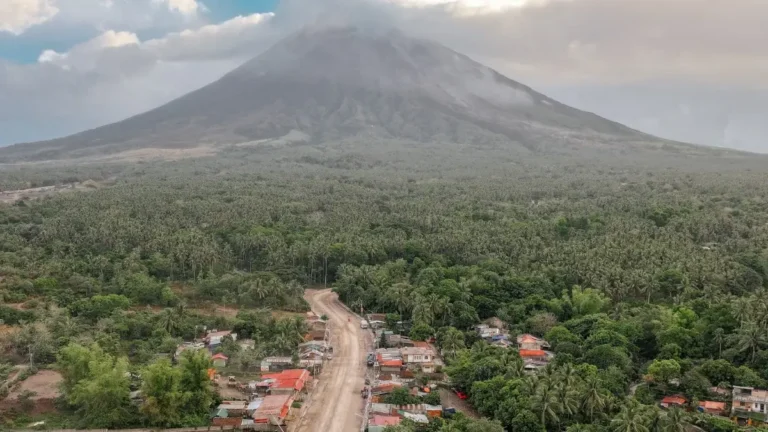
    Pyroclastic density currents generated by a lava collapse at Mayon volcano in Albay, Philippines, on May 2, 2026, reached an estimated runout distance of 4 km (2.5 miles) along Mi-isi Gully and produced ashfall affecting 52 barangays across Guinobatan, Camalig, and Ligao City. Ashfall reduced visibility to near zero in parts of Camalig, blanketed homes, roads, crops, and grazing land, and prompted face mask distribution and health advisories.