I am an Assistant Editor and Severe Weather & Science Journalist at The Watchers, specializing in real-time severe weather coverage, geophysical event reporting, and research-driven scientific analysis. You can reach me at rishav(at)watchers(.)news.

  • Strong atmospheric river to impact California, up to 500 mm (20 inches) of rain forecast for Sierra Nevada

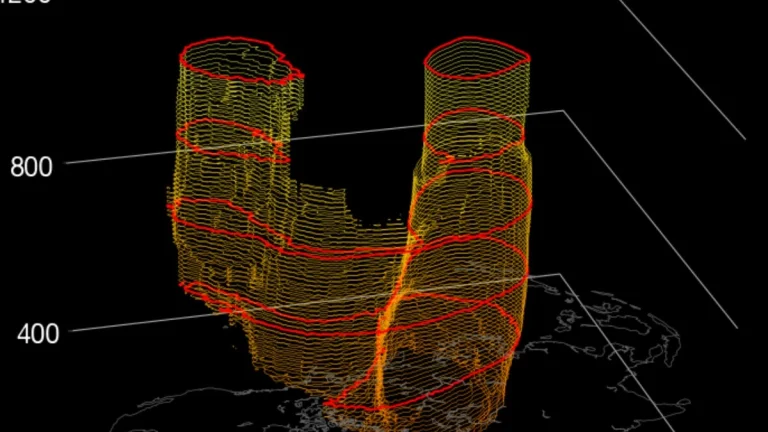
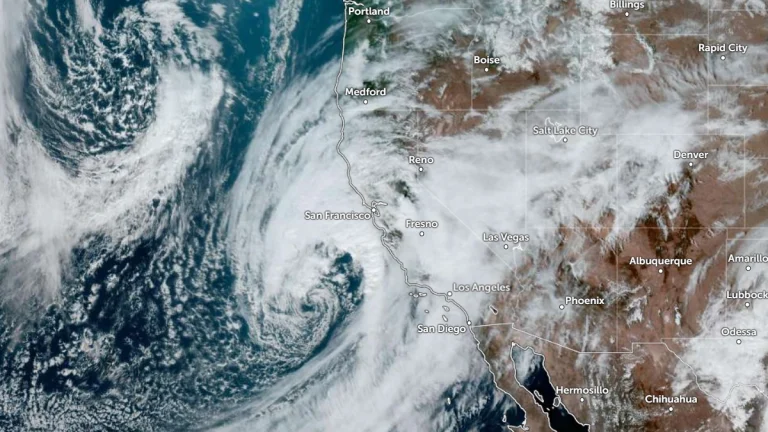
    Three atmospheric rivers are expected to impact California between December 20 and 25, 2025, producing 250–500 mm (10–20 inches) of rain over the Sierra Nevada and 75–180 mm (3–7 inches) over southern coastal ranges. The strongest system is forecast to peak on December 23–25 with IVT values surpassing 750 kg m⁻¹ s⁻¹ and AR3–AR4 intensity.

  • Coast-to-coast storm with 232 km/h (144 mph) gusts leaves 1 dead, 2 injured across Northwest and Rockies

    A powerful windstorm with gusts reaching 232 km/h (144 mph) battered parts of the Pacific Northwest and Rockies this week, leaving one dead, two injured, and hundreds of thousands without power by December 18, 2025. The deep low-pressure system continues moving east toward the northern Plains and Midwest, sustaining severe winds and wildfire risks.

  • Over 700 landslides and avalanches mapped after M7.0 2025 Hubbard Glacier Earthquake

    A strong M7.0 oblique-slip earthquake struck beneath the Hubbard Glacier in the St. Elias Mountains, about 89 km (55 miles) north of Yakutat, Alaska, at 11:40 AKST (20:40 UTC) on December 6, 2025. The quake triggered widespread ground failures, with over 700 landslides and snow avalanches identified across Alaska and Canada. The largest and most concentrated slope failures occurred within a 16 km (10 miles) wide band along the estimated fault rupture.

  • Blizzard conditions and destructive winds forecast for the northern Plains and northern Rockies, U.S.

    A fast-moving winter storm is forecast to bring widespread blizzard conditions and destructive winds across parts of Montana, North Dakota, and Minnesota through Wednesday night into Thursday, December 17 into 18, 2025. The system, driven a deep low-pressure trough, is generating gusts up to 110 km/h (70 mph) and localized peaks over 130 km/h (80 mph) in leeward mountain areas, potentially leading to whiteout conditions, road closures, and power outages across the region.