I am an Assistant Editor and Severe Weather & Science Journalist at The Watchers, specializing in real-time severe weather coverage, geophysical event reporting, and research-driven scientific analysis. You can reach me at rishav(at)watchers(.)news.

  • Flood watches cover the Southwest ahead of a Four Corners heavy-rainfall event, U.S.

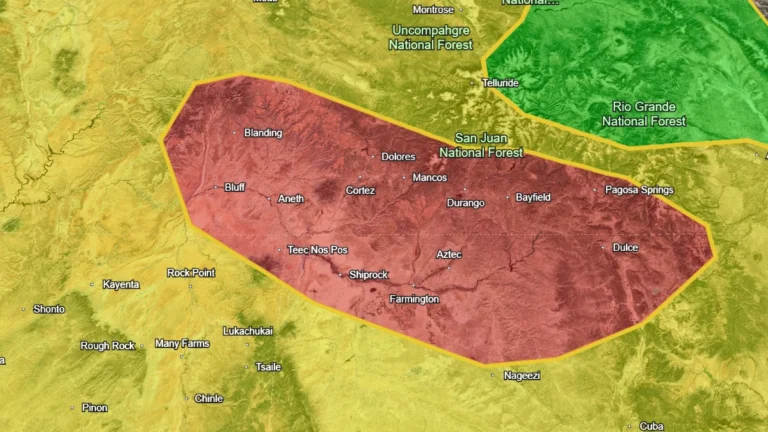
    Flood Watches are in effect across parts of Arizona, New Mexico, Utah and Colorado as successive Pacific moisture surges raise the flash-flood threat through early November 2, 2026. The Weather Prediction Center (WPC) has placed the Four Corners under a Moderate Risk of excessive rainfall for November 1, when it expects a high-impact heavy rainfall event over saturated ground.
  • Lake Worth Pier and South Port Everglades reach record water levels, King tides flood Florida’s Atlantic coast

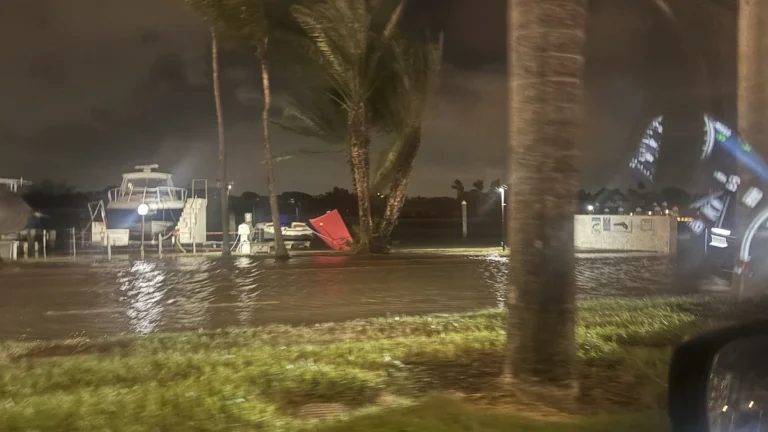
    King tides, persistent onshore winds and elevated seas caused coastal flooding along Florida’s Atlantic coast from October 26 to 29, 2026. Preliminary water levels reached 0.82 m (2.70 feet) above mean higher high water at Lake Worth Pier and 0.76 m (2.48 feet) at South Port Everglades, both above the highest values in NOAA’s current station tables. Virginia Key recorded its highest king tide and third-highest overall level since consistent observations began in 1994.

  • Coastal flooding forecast at Hooper Bay as Bering Sea storms continue, Alaska

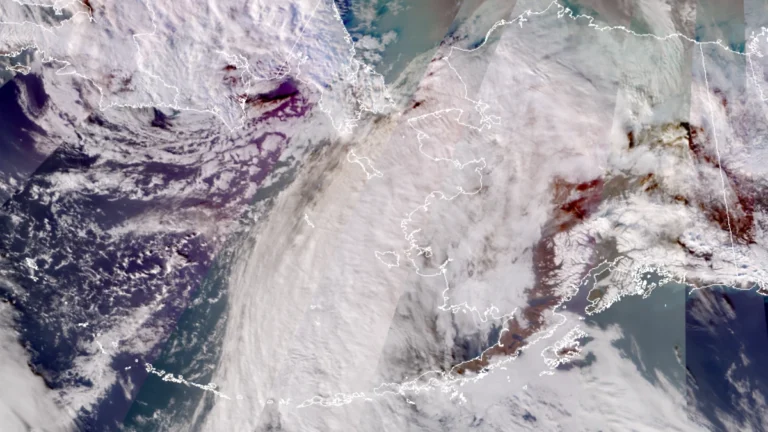
    A Bering Sea storm associated with the remnants of Typhoon Champi is forecast to raise water levels at Hooper Bay, Alaska, by 0.6–1.2 m (2–4 feet) above normal high tide from October 29 into early October 31, 2026. A Coastal Flood Advisory is in effect, while state officials reported that power had been mostly restored in Kivalina after an earlier storm damaged a powerline and prompted residents to shelter at a school.

  • Cyclone Arnab leaves 3 dead after landfall in Andhra Pradesh, India

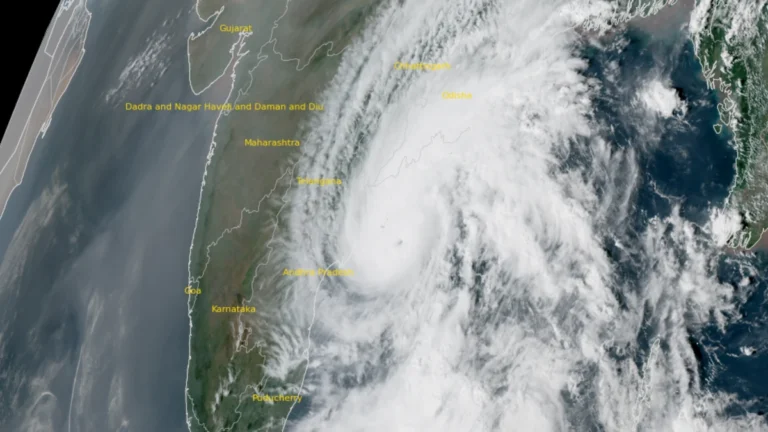
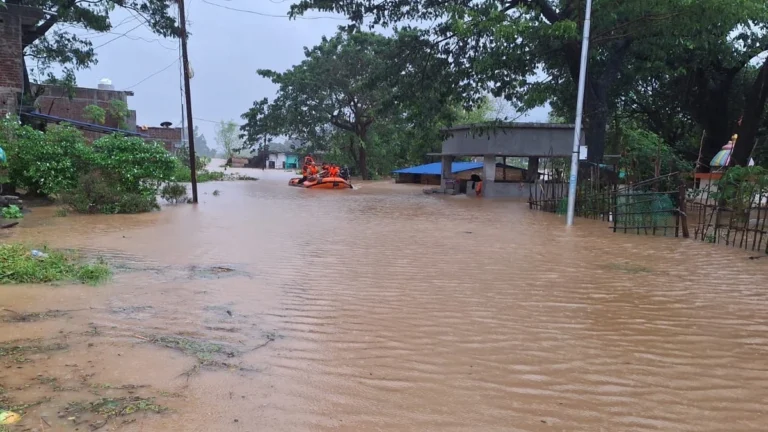
    Cyclone Arnab crossed India’s Andhra Pradesh–Yanam coast southwest of Yanam on October 28, 2026, as a very severe cyclonic storm before weakening inland. The National Disaster Response Force (NDRF) later reported three deaths in Andhra Pradesh, while the India Meteorological Department (IMD) estimated landfall winds of 125–135 km/h (78–84 mph), gusting to 150 km/h (93 mph).

  • M6.0 earthquake hits northwest of Port-Olry, Vanuatu

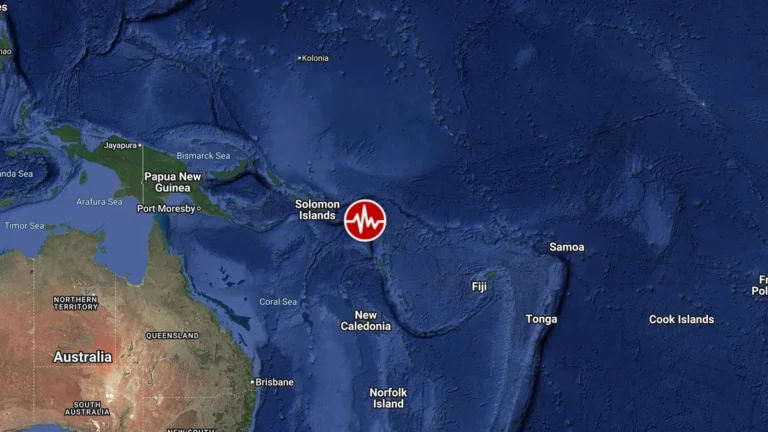
    A strong earthquake registered by the USGS as M6.0 struck 214 km (133 miles) NW of Port-Olry, Vanuatu, at 02:21 UTC on October 28, 2026. The agency is reporting a depth of 10 km (6 miles). EMSC is reporting the same magnitude and depth.

  • Bundibugyo Ebola outbreak passes 10 000 confirmed cases in DRC

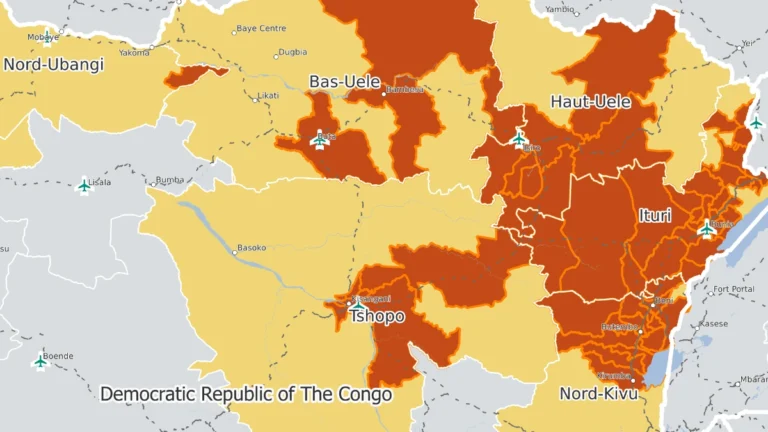
    The Bundibugyo Ebola outbreak in the Democratic Republic of the Congo (DRC) reached 10 060 confirmed cases and 4 887 confirmed deaths as of October 25, 2026, according to the country’s public health institute. Its situation report, published on October 26, recorded cases across 66 health zones in eight provinces.

  • Tornado leaves one injured and damages dozens of homes in Requínoa, Chile

    A tornado preliminarily classified as EF-2 struck Requínoa in Chile’s O’Higgins Region at about 17:30 LT (20:30 UTC) on October 26, 2026, damaging homes, a school, and electrical infrastructure. The National Service for Disaster Prevention and Response (SENAPRED) listed one person injured and 85 homes damaged as of October 27.

  • Very severe cyclone Arnab nears Andhra Pradesh–Yanam coast ahead of October 28 landfall, India

    Very severe cyclonic storm Arnab approached India’s Andhra Pradesh–Yanam coast on October 27, 2026, with landfall forecast near Yanam during the morning of October 28. The India Meteorological Department (IMD) forecast landfall winds of 125–135 km/h (78–84 mph), gusting to 150 km/h (93 mph), alongside storm surge and isolated extremely heavy rainfall.

  • Arctic stratospheric polar vortex forecast to weaken sharply in early November

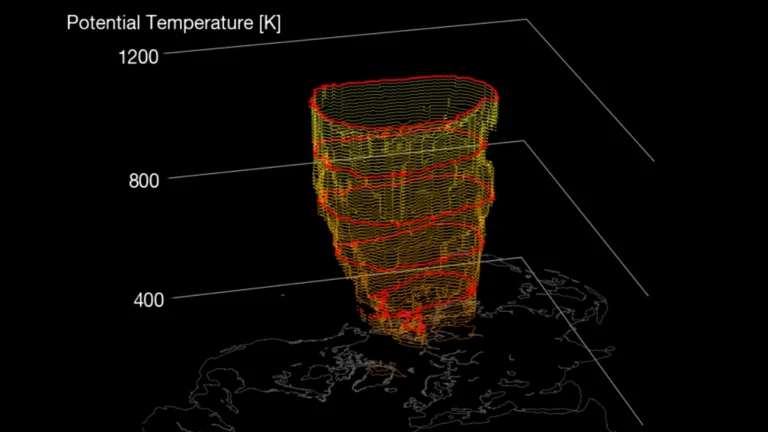
    NASA Ozone Watch’s current Arctic wind product forecasts the 60°N zonal-mean wind at 10 hPa falling from 22.12 m/s (49.5 mph) on October 25, 2026, to 4.15 m/s (9.3 mph) by November 3, compared with a climatological mean of 25.97 m/s (58.1 mph) for November 3. A few European forecast models go further and reverse the winds, but said that outcome remains unlikely and Canadian surface impacts are not established.