I am an Assistant Editor and Severe Weather & Science Journalist at The Watchers, specializing in real-time severe weather coverage, geophysical event reporting, and research-driven scientific analysis. You can reach me at rishav(at)watchers(.)news.

  • Earth’s 40 000-year axial tilt cycle influenced subtropical marine productivity during early Antarctic ice sheet expansion

    A 40 000-year cycle in Earth’s axial tilt influenced subtropical marine productivity about 34 million years ago, during the early expansion of the Antarctic ice sheet, according to a study published in PNAS. The authors link this signal to obliquity-driven Antarctic ice-sheet variability that affected ocean circulation and nutrient delivery far from the polar region.

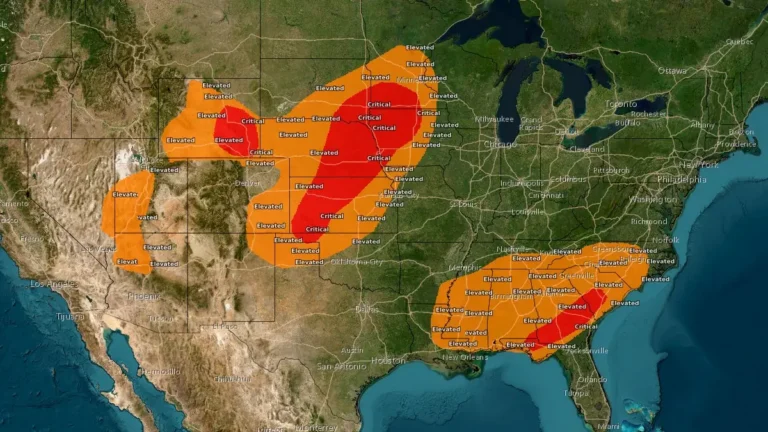
  • Red Flag Warnings issued from the Plains to the Southeast under critical fire weather conditions

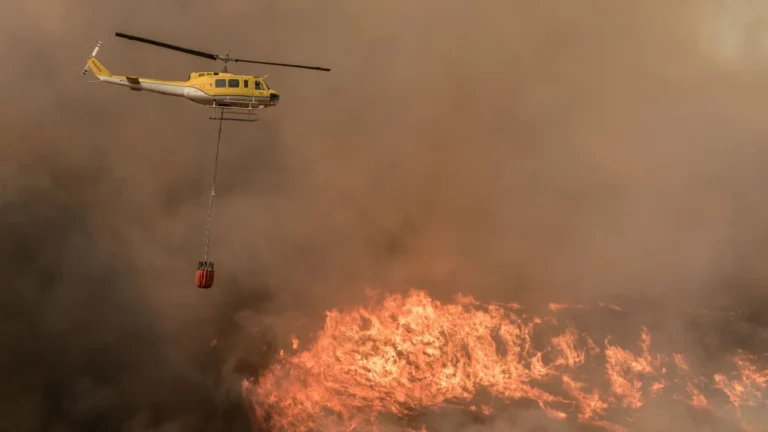
    Red Flag Warnings are in effect across the Central Plains and Southeast United States on March 28, 2026, as the National Weather Service (NWS) warns of critical fire weather conditions driven by strong winds, low relative humidity, and dry fuels. Wind gusts up to 80 km/h (50 mph) and humidity levels as low as 10–20% are expected to promote rapid fire ignition and spread. Outdoor burning is strongly discouraged across all warned regions.

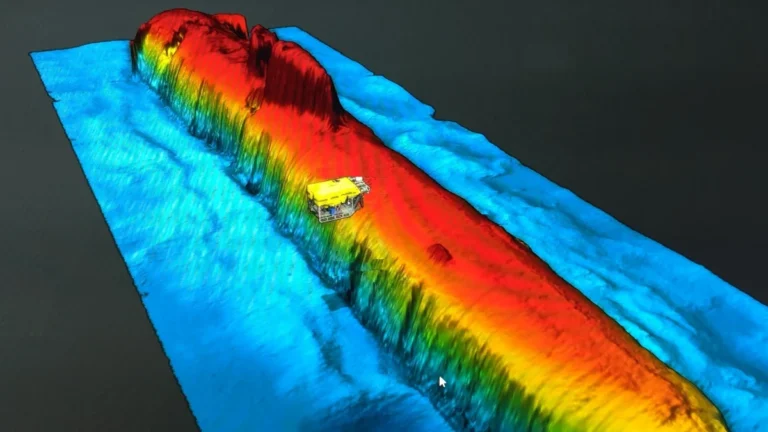
  • High radiation levels measured at sunken Soviet submarine K-278 Komsomolets site

    Sunken Soviet submarine K-278 Komsomolets in the Norwegian Sea continues to release radioactive material more than three decades after sinking on April 7, 1989, according to a 2026 study. Measurements show extremely high concentrations of radionuclides near the wreck, while rapid dilution in surrounding seawater limits broader environmental impact.

  • Freeze Warnings issued for parts of Kentucky, Indiana, Illinois and Missouri

    Freeze Warnings have been issued across Kentucky, southern Indiana, southern Illinois, and southeast Missouri, with sub-freezing temperatures forecast overnight into March 28, 2026. The warnings are in effect from late March 27 through the morning hours of March 28, with minimum temperatures expected between −4°C and −1.5°C (24–29°F). Frost and freeze conditions are expected to damage crops, sensitive vegetation, and exposed outdoor plumbing.

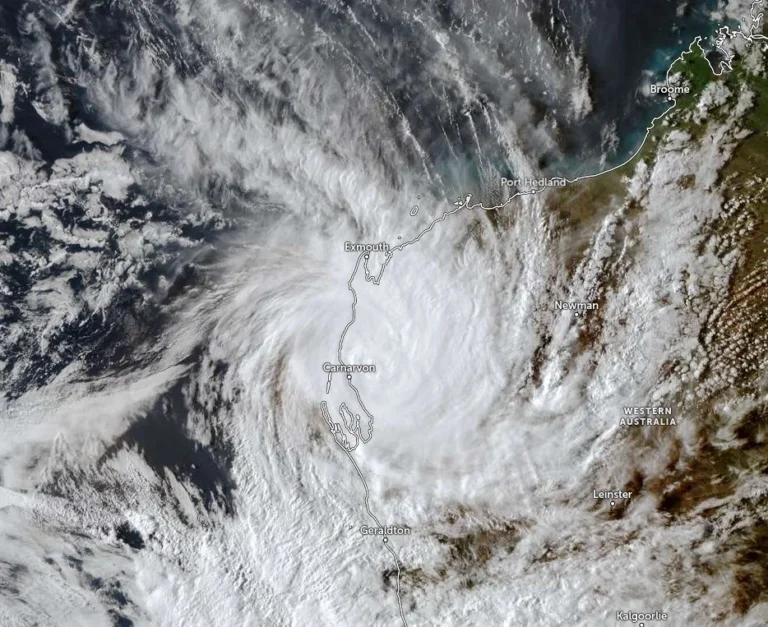
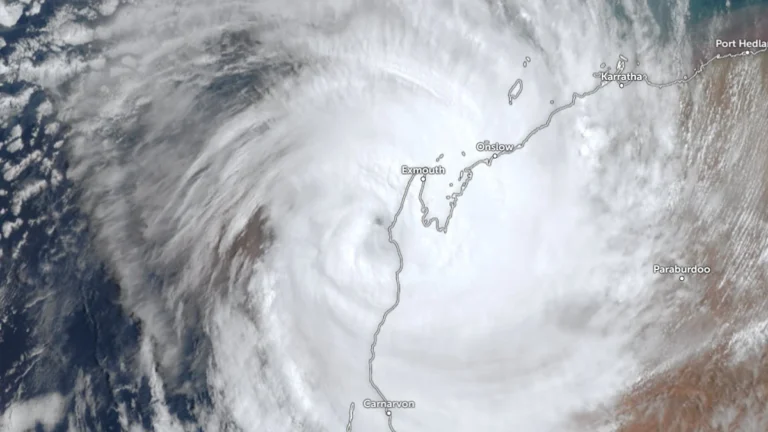
  • Tropical Cyclone Narelle crosses Gascoyne coast with destructive winds and flooding, Western Australia

    Severe Tropical Cyclone Narelle made landfall just south of Coral Bay, Western Australia, at approximately 09:30 AWST (01:30 UTC) on March 27, 2026, as a Category 3 system. It brought wind gusts up to 195 km/h (121 mph), intense rainfall, and a dangerous storm tide along the Gascoyne coast. Severe weather conditions are continuing inland through the day and are forecast to persist into March 28.