I am an Assistant Editor and Severe Weather & Science Journalist at The Watchers, specializing in real-time severe weather coverage, geophysical event reporting, and research-driven scientific analysis. You can reach me at rishav(at)watchers(.)news.

  • NOAA’s SOLAR-1 enters operational service as first dedicated U.S. space weather satellite

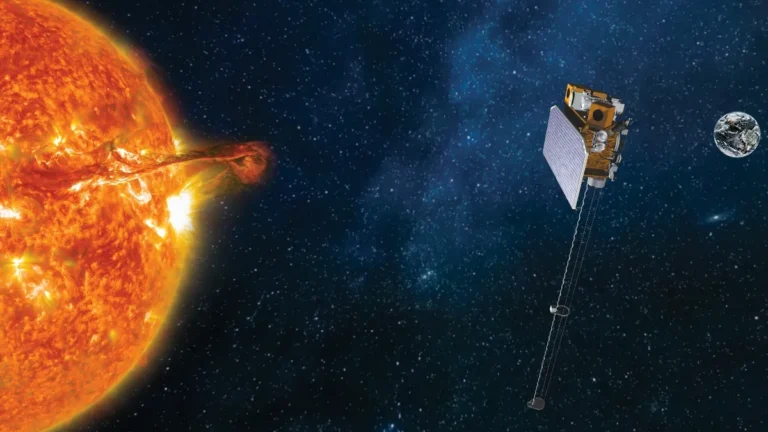
    NOAA’s Space Weather Observations at L1 to Advance Readiness-1 (SOLAR-1) observatory has entered operational service, becoming the first U.S. satellite dedicated exclusively to continuous operational space weather observations. The spacecraft is stationed at the Sun-Earth Lagrange Point 1 (L1), where it monitors solar wind conditions and coronal mass ejections moving away from the Sun and toward Earth.
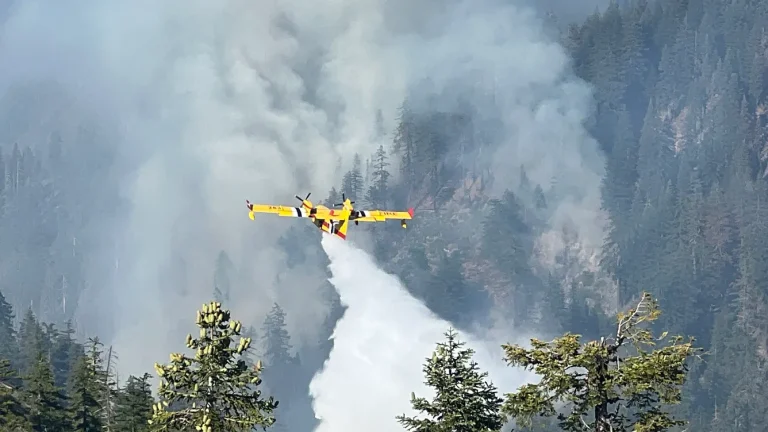
  • South Fork Fire grows to 9 350 ha (23 110 acres) in Nebraska, evacuations near Crawford

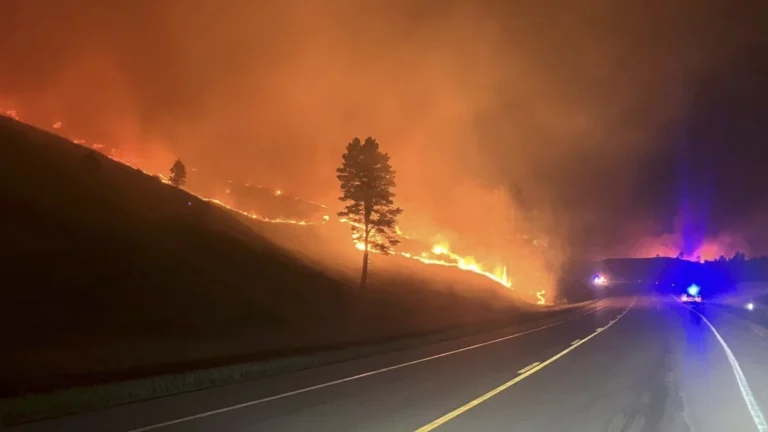
    The South Fork Fire has grown to 9 352 ha (23 112 acres) since igniting about 19 km (12 miles) west of Crawford, Nebraska, on June 9, 2026. The fire has prompted evacuation orders for areas north of Crawford’s city center, Fort Robinson State Park, and the Ponderosa Villa Assisted Living Facility. Highway 20 and Fort Robinson State Park were closed, and Governor Jim Pillen declared a state of emergency as firefighters worked to contain the wildfire.

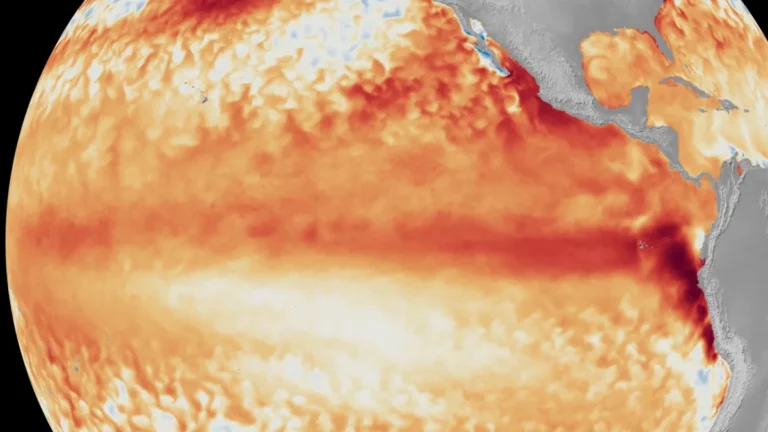
  • El Niño develops, NOAA estimates 63% chance of a very strong event in 2026–27 winter

    El Niño conditions have developed in the tropical Pacific Ocean and are expected to strengthen through the Northern Hemisphere winter of 2026-27, according to the National Oceanic and Atmospheric Administration (NOAA). The Climate Prediction Center (CPC) issued an El Niño Advisory on June 11, 2026, after oceanic and atmospheric conditions shifted into an El Niño pattern.

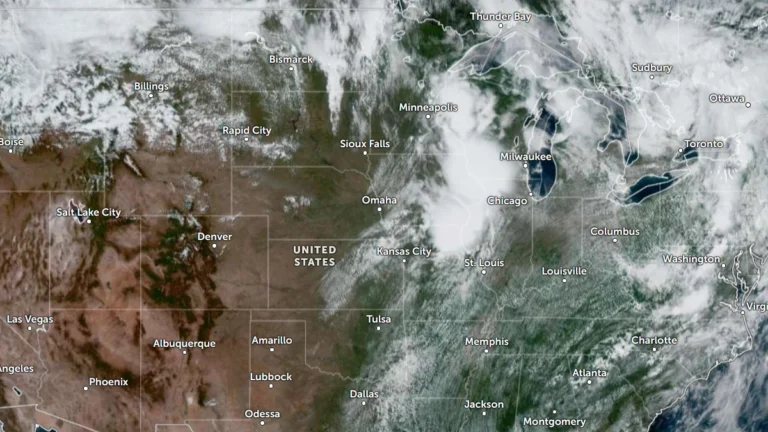
  • Enhanced Risk issued, strong tornadoes, giant hail, and damaging winds forecast across the Midwest and Great Lakes

    The Storm Prediction Center (SPC) has placed parts of the Upper Mississippi Valley, Midwest and Great Lakes region under Enhanced Risk (Level 3 of 5) through June 11 and 12, 2026, warning that thunderstorms may produce hail larger than 5 cm (2 inches), wind gusts exceeding 120 km/h (75 mph) and several tornadoes, including a few strong tornadoes.

  • Flash flooding prompts emergency declarations and evacuations in western Manitoba, Canada

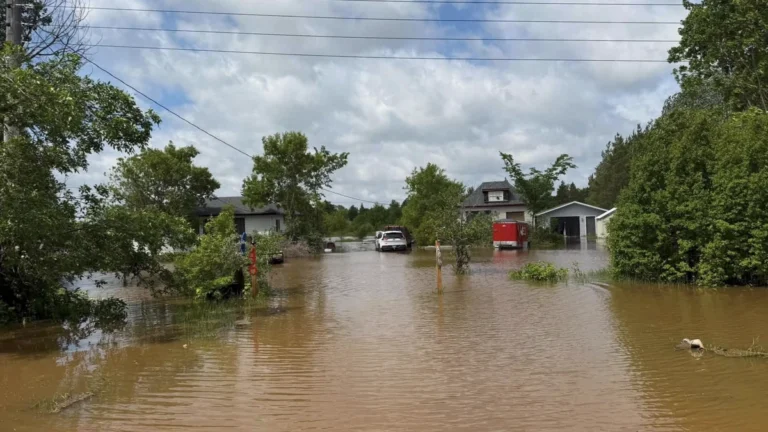
    Up to 150 residents were displaced after flash flooding struck communities across western Manitoba, Canada, following an extreme rainfall event that dropped nearly 150 mm (6 inches) of rain in parts of the Swan Valley region from late June 7 into the early hours of June 8, 2026. Local authorities declared states of emergency as floodwaters damaged roads, washed out sections of Highways and bridges, and threatened dam failure near Harvey Lake.

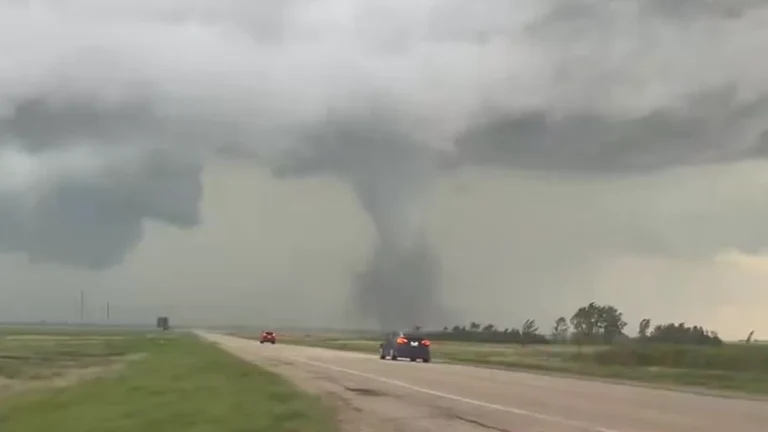
  • Multiple tornadoes hit Saskatchewan and Manitoba, Canada

    Multiple tornadoes struck Saskatchewan and Manitoba as severe thunderstorms swept across the provinces on June 9, 2026. Large hail, flooding, and widespread damage due to the picturesque and damaging tornadoes were reported in multiple areas.

  • Heat Advisories in effect across central U.S., heat index values up to 42°C (108°F) forecast

    Dangerous heat is expected across much of the central United States on June 9, 2026, with multiple National Weather Service offices warning that heat index values will reach 38 to 42°C (100 to 108°F) during the afternoon and evening. Heat Advisories remain in effect across Kansas, Missouri, Arkansas, Tennessee, Mississippi, Iowa, Nebraska, South Dakota, Minnesota, and Wisconsin, with the most dangerous conditions forecast across the Mid-South.