I'm a dedicated researcher, journalist, and editor at The Watchers. With over 20 years of experience in the media industry, I specialize in hard science news, focusing on extreme weather, seismic and volcanic activity, space weather, and astronomy, including near-Earth objects and planetary defense strategies. You can reach me at teo /at/ watchers.news.

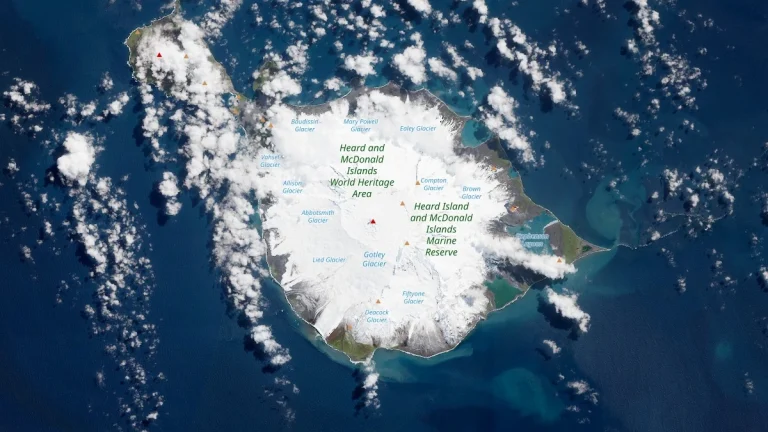
  • Effusive activity and ash to 7.3 km (24 000 feet) at Big Ben volcano, Heard Island, Indian Ocean

    Satellite observations show that Heard Island’s Big Ben volcano remains active, with lava flows detected through late January and February 2026. The Darwin VAAC reported that the ash plume from a brief eruption around 14:00 UTC on February 11 reached 7.3 km (24 000 feet) above sea level and fully dissipated by the following day.

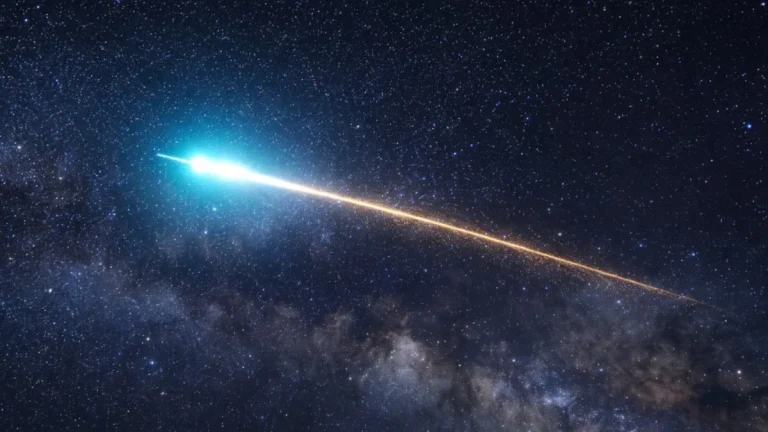
  • Long-duration fireball lights New Zealand’s South Island, residents report loud bang and shaking

    A bright, long-duration fireball was reported over New Zealand’s South Island at 15:22 UTC on February 10, 2026 (04:22 local time, February 11), and was captured on a south-facing security camera in Marlborough. Witnesses responding to the video shared by Fireballs Aotearoa said they heard an explosion-like bang, with some reporting that it shook a house or woke them.

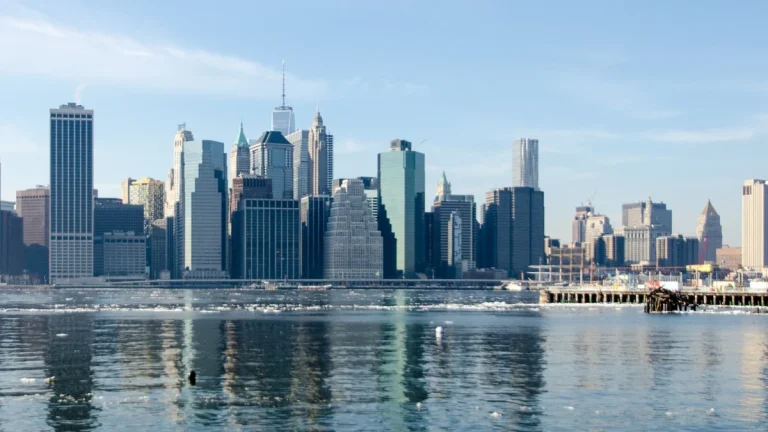
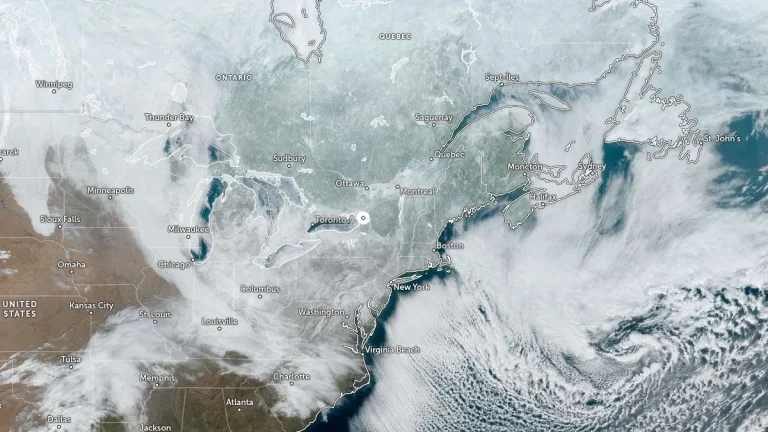
  • New York City confirms 18 deaths during prolonged Arctic cold

    Eighteen cold-related deaths were confirmed in New York City as of February 11, 2026, following a prolonged stretch of Arctic air that gripped the city from mid-January through early February. The fatalities occurred during a 9-day period of subfreezing temperatures that ended February 2, with wind chills falling below −25°C (−13°F) on multiple mornings. Most of the victims were found outdoors, according to city officials.

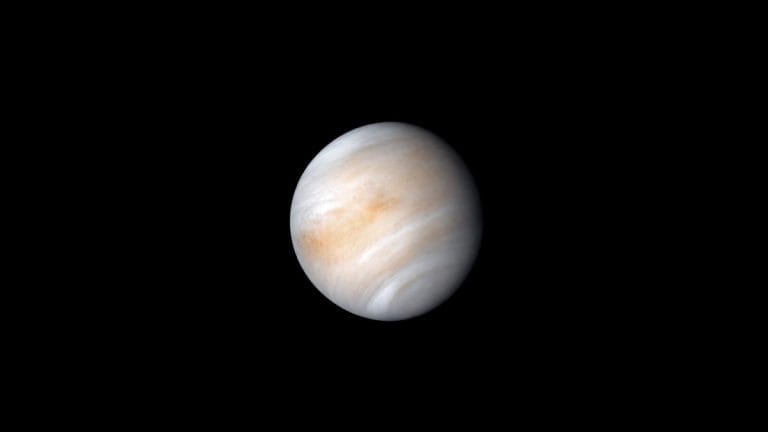
  • Radar data reveal subsurface lava tube beneath Nyx Mons on Venus

    Radar analysis of data collected by NASA’s Magellan spacecraft between 1990 and 1992 has identified an empty subsurface lava tube beneath the Nyx Mons region on Venus. The structure was detected using Synthetic Aperture Radar imaging techniques and reported on February 9, 2026, in a peer-reviewed study published in Nature Communications.

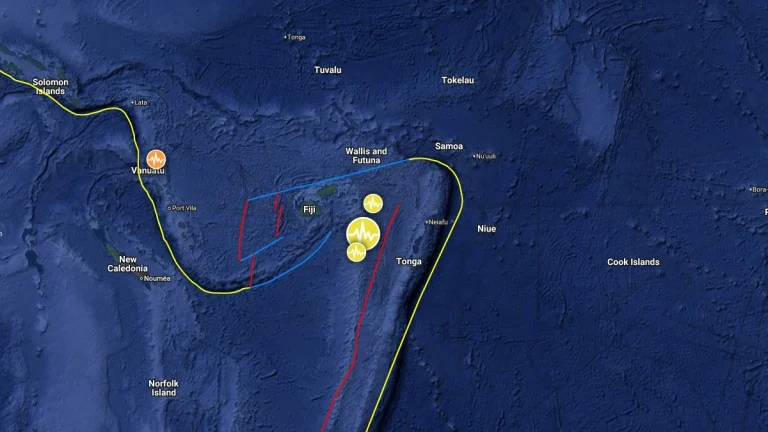
  • Deep M6.2 earthquake hits Fiji region

    A deep earthquake registered by the USGS as M6.2 struck the Fiji region at 20:44 UTC on February 10, 2026 (08:44 LT, February 11). The agency is reporting a depth of 511 km (317 miles). EMSC is reporting the same magnitude and depth.

  • Watertown drops to -38°C (-36°F) as Arctic air grips Upstate New York

    An intense Arctic cold outbreak drove temperatures well below seasonal norms across Upstate New York on Sunday, February 8, 2026, with Watertown reaching −38°C (−36°F) at the airport. Several other communities matched or exceeded their lowest temperatures of the winter during the same period.

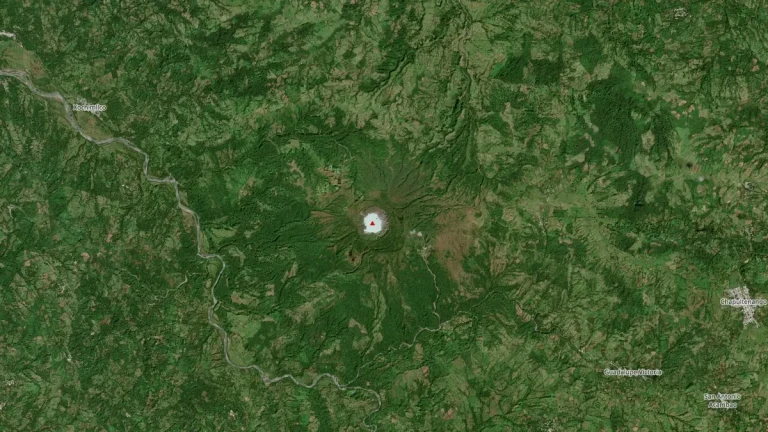
  • Hydrothermal unrest persists at El Chichón volcano, Mexico

    Hydrothermal unrest at El Chichón volcano in northern Chiapas, Mexico, has persisted since mid-2025, characterized by elevated seismicity, chemical-physical changes in the crater lake, and increased gas emissions. National and academic monitoring institutions report no evidence of magma ascent, and current conditions do not indicate an imminent eruption. The volcano remains at Yellow Alert.

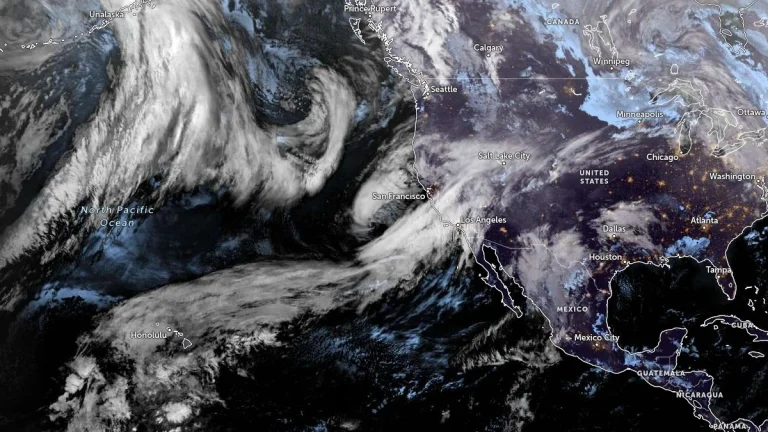
  • Beneficial Sierra Nevada snowfall expected as weak atmospheric river moves through California

    A short-duration atmospheric river is forecast to impact California from Tuesday, February 10, through Thursday, February 12, 2026, bringing low-elevation rainfall and significant snowfall at higher elevations, particularly across the Sierra Nevada. Forecast guidance indicates the event will be short-lived, with impacts expected to be largely beneficial for regional snowpack rather than flood-producing.

  • Valentine’s Day weekend storm to bring widespread heavy rain to the southern United States

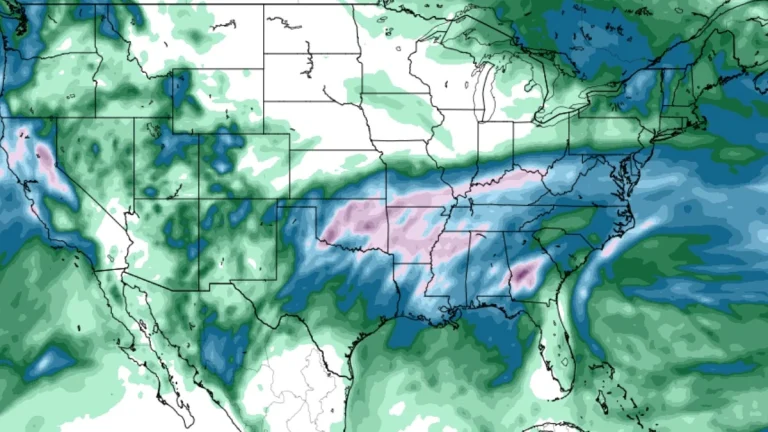
    A developing storm system is forecast to bring widespread rain and thunderstorms to the south-central and southeastern United States from Friday, February 13, 2026, through Valentine’s Day weekend, with localized flooding possible where heavier rainfall occurs. The system is expected to track eastward from the Plains into the lower Mississippi Valley and Southeast between February 13 and February 15, affecting travel and outdoor activities across a large portion of the region.