I'm a dedicated researcher, journalist, and editor at The Watchers. With over 20 years of experience in the media industry, I specialize in hard science news, focusing on extreme weather, seismic and volcanic activity, space weather, and astronomy, including near-Earth objects and planetary defense strategies. You can reach me at teo /at/ watchers.news.

  • Rapid overnight growth pushes Ranger Road Fire across Oklahoma–Kansas border, 4 firefighters injured

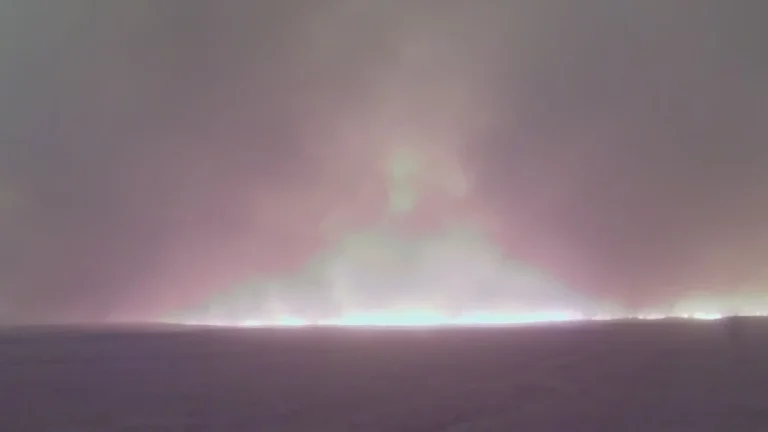
    A fast-moving Ranger Road Fire ignited on February 17, 2026, in Beaver County, Oklahoma, and expanded into southern Kansas by February 18, burning approximately 58 700 ha (145 000 acres) within hours. The wildfire prompted mandatory evacuations in Clark County, Kansas, and injured at least four firefighters during suppression efforts.
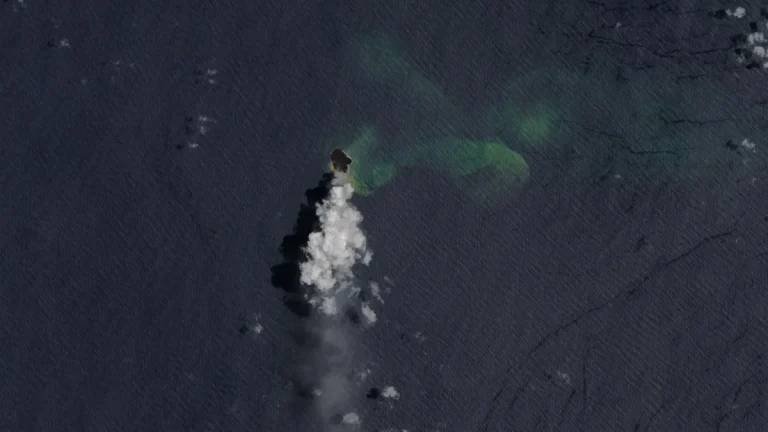
  • Satellite data show continued expansion of Home Reef volcano in Tonga

    Satellite monitoring confirms that Home Reef volcano in Tonga remains active nearly two months after its latest eruption began on December 17, 2025. The eruption has expanded the island’s surface area by nearly 8 ha (20 acres) as lava flows extended its margins east, south, northwest, and north.

  • France records highest soil moisture since 1959 amid nationwide flood alerts

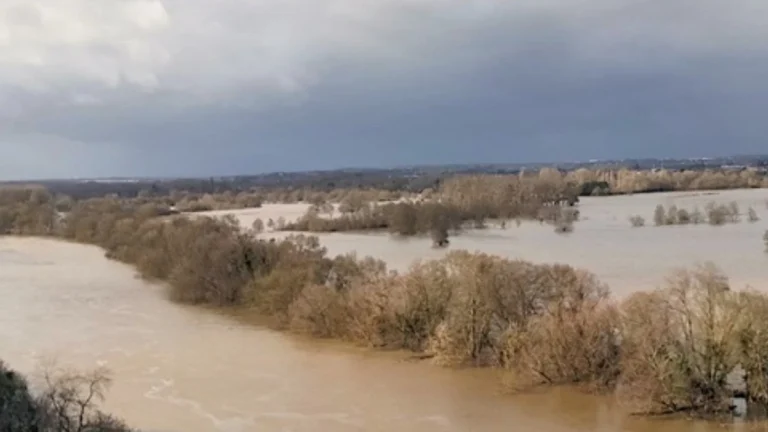
    France’s national flood monitoring service reports that soil moisture in the country has reached its highest level since records began in 1959. The prolonged rainfall of the past two months, intensified by Storm Nils, left soils fully saturated and reduced infiltration capacity, sustaining elevated flood risk nationwide. Evacuations, infrastructure closures, and power outages were reported in several regions.

  • New swarm of hybrid seismic events beneath Teide volcano, Tenerife

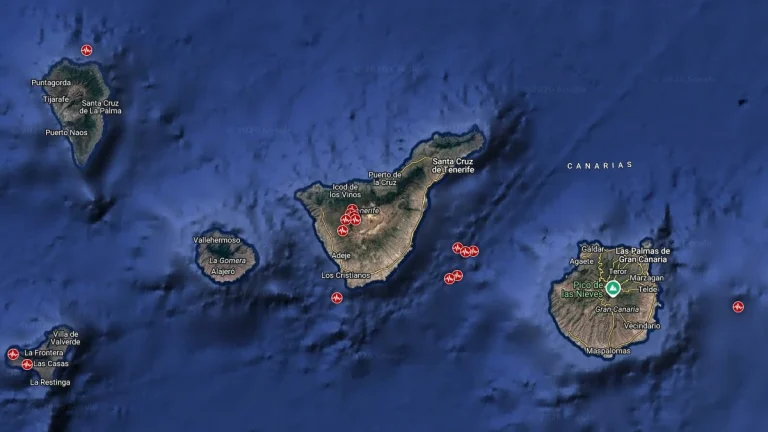
    A new swarm of hybrid seismic events began beneath Teide volcano on Tenerife at 20:00 LT (21:00 UTC) on February 16, 2026, according to the Instituto Volcanológico de Canarias (INVOLCAN). More than 300 very low-magnitude earthquakes have been detected so far by the Canary Seismic Network, marking the eighth swarm of this type recorded on the island since 2016. INVOLCAN attributes the activity to magmatic-fluid injection into Tenerife’s hydrothermal system and states that the likelihood of an eruption remains unchanged.

  • G2 – Moderate geomagnetic storm in progress, auroras possible from New York to Washington state

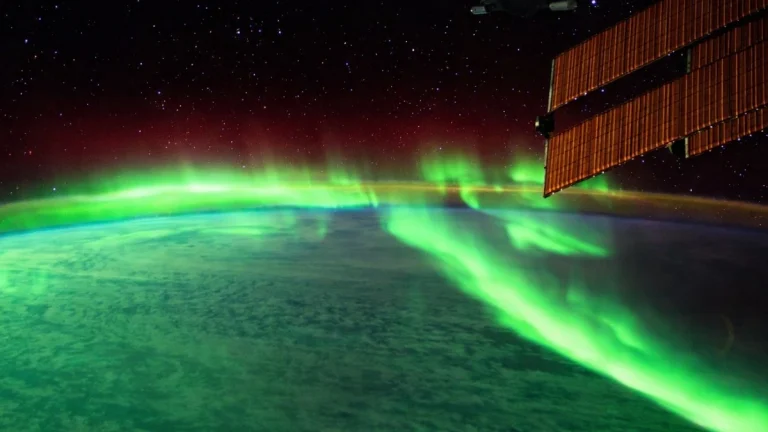
    A positive polarity coronal hole high speed stream currently interacting with Earth’s magnetic field produced a G2 – Moderate geomagnetic storm, with the K-index peaking at 6 at 20:00 UTC on February 16, 2026. The storm may generate visible aurora across northern U.S. latitudes and cause minor operational effects in satellite and power systems.

  • Geodetic strain data confirm Iberia’s slow clockwise rotation relative to Eurasia and Africa

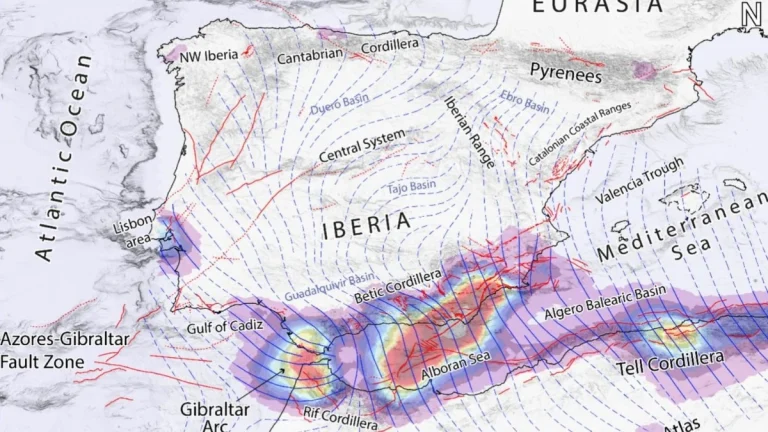
    A new geophysical model integrating GNSS velocity data and earthquake focal mechanisms reveals that the Iberian Peninsula is rotating slowly clockwise relative to both Eurasia and Africa. The analysis, published in Gondwana Research in January 2026, maps present-day stress and strain-rate fields across Iberia and north-western Africa, refining the geometry of the diffuse Eurasia–Africa plate boundary.

  • Episode 42 shows high-intensity magma discharge and dual-vent activity at Kīlauea volcano

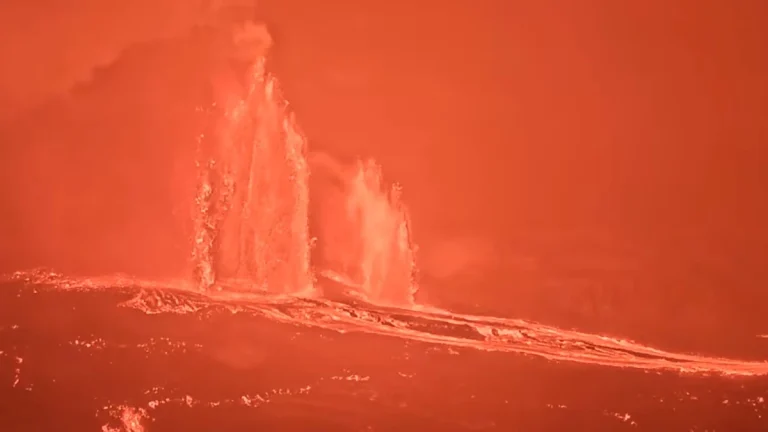
    Kīlauea volcano’s Halemaʻumaʻu crater produced one of its most intense eruptive episodes in months on February 15, 2026, when dual vents discharged lava at rates up to 780 m³/s (1 000 yd³/s) and fountains rose 400 m (1 300 feet) high before the activity paused at 23:38 HST. The episode released an estimated 11.4 million m³ (15 million yd³) of lava and covered about half of the crater floor.

  • Annular solar eclipse crosses Antarctica on February 17, 2026

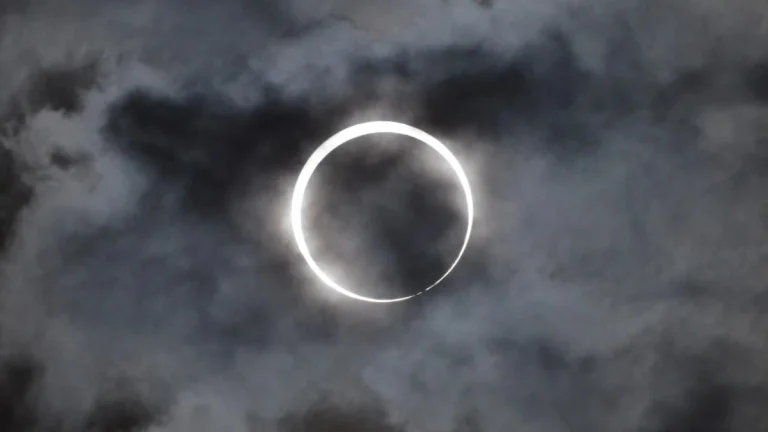
    An annular solar eclipse will cross Antarctica on February 17, 2026, with the “ring of fire” phase confined to the continent and adjacent Southern Ocean waters. The event reaches its greatest eclipse at 12:11:54 UTC, when the Moon will cover 96.3% of the Sun’s diameter along the central path. A partial eclipse will be visible from southern South America, southern Africa, Madagascar, Réunion, Mauritius, and Antarctic coastal regions.