I'm a dedicated researcher, journalist, and editor at The Watchers. With over 20 years of experience in the media industry, I specialize in hard science news, focusing on extreme weather, seismic and volcanic activity, space weather, and astronomy, including near-Earth objects and planetary defense strategies. You can reach me at teo /at/ watchers.news.

  • G1 – Minor geomagnetic storm underway, NOAA forecasts possible G2 conditions

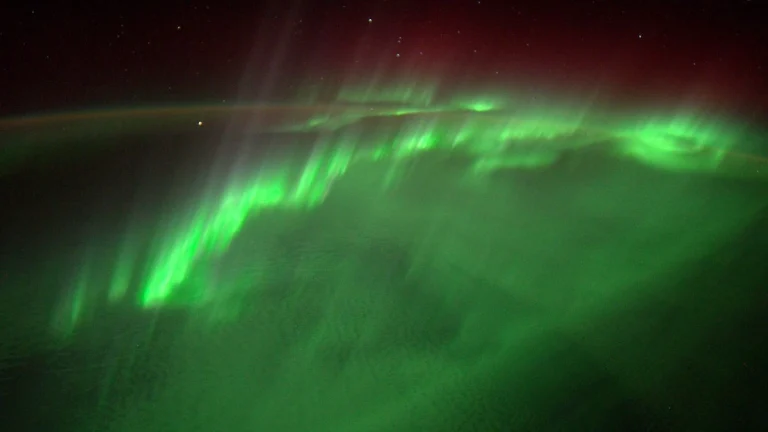
    A G1 – Minor geomagnetic storm is in progress on February 22, 2026, with Kp index values reaching 5 since 03:00 UTC, according to the NOAA Space Weather Prediction Center (SWPC). At 08:00 UTC, the agency issued a G2 – Moderate warning valid through 15:00 UTC, forecasting a possible rise to Kp 6 later in the day as solar-wind conditions remain elevated.
  • Deep M6.0 earthquake hits south of the Fiji Islands

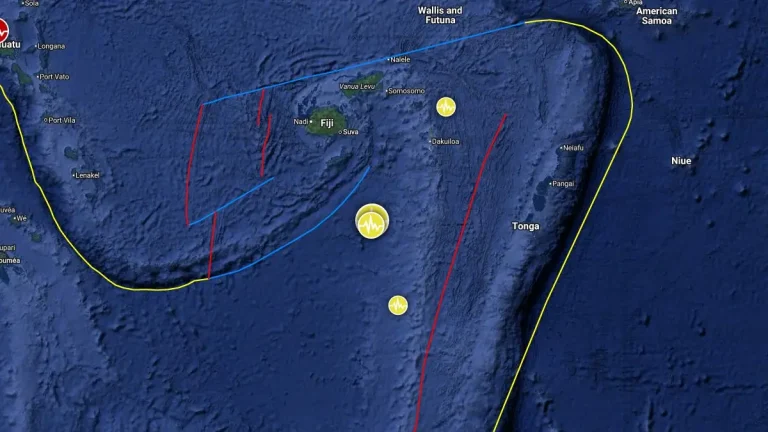
    A deep earthquake registered by the USGS as M6.0 struck south of the Fiji Islands at 07:43 UTC on February 22, 2026. The agency reported a depth of 654 km (406 miles). The EMSC is reporting the same magnitude and depth. There was no tsunami warning issued.

  • ESA researchers use neural network to identify hundreds of rare cosmic anomalies, including several dozen that defy classification

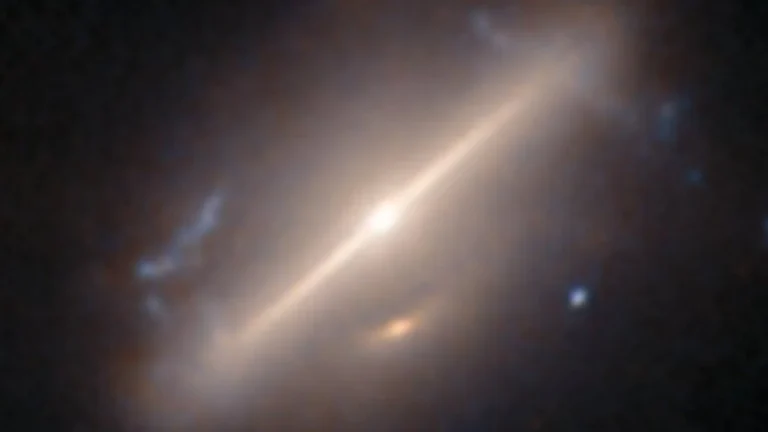
    A neural network tool developed by the European Space Agency (ESA) analyzed nearly 100 million cutouts from the Hubble Legacy Archive in just two and a half days, identifying about 1 400 anomalous objects – more than 800 never previously catalogued. Several dozen of these defied classification altogether, showing the potential and the limits of AI in astronomical discovery.

  • Strong and shallow M6.0 earthquake hits Solomon Islands

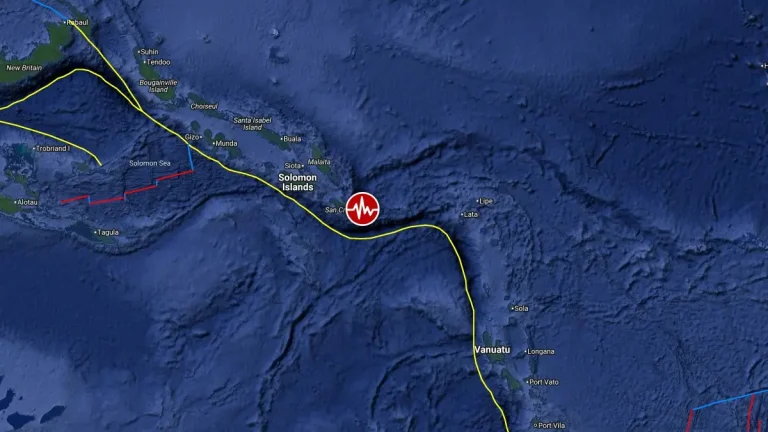
    A strong and shallow earthquake registered by the USGS as M6.0 hit the Solomon Islands at 16:42 UTC on February 21, 2026. The agency is reporting a depth of 10 km (6.2 miles). EMSC is reporting M6.0 at the same depth. No tsunami warning has been issued.

  • Coastal storm and long-duration atmospheric river to bring heavy precipitation to Pacific Northwest and California

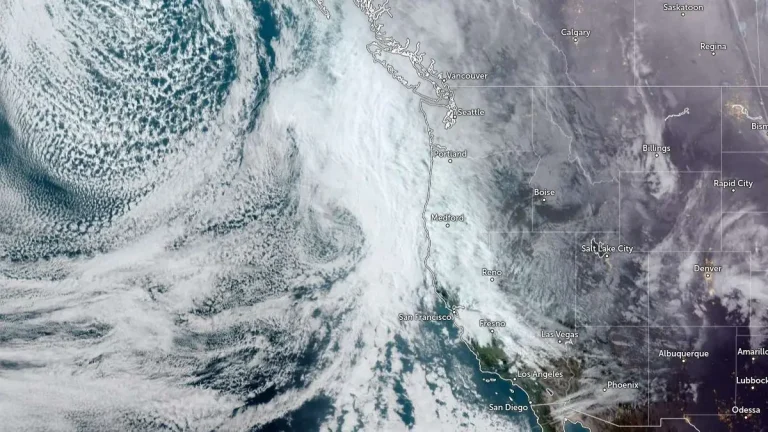
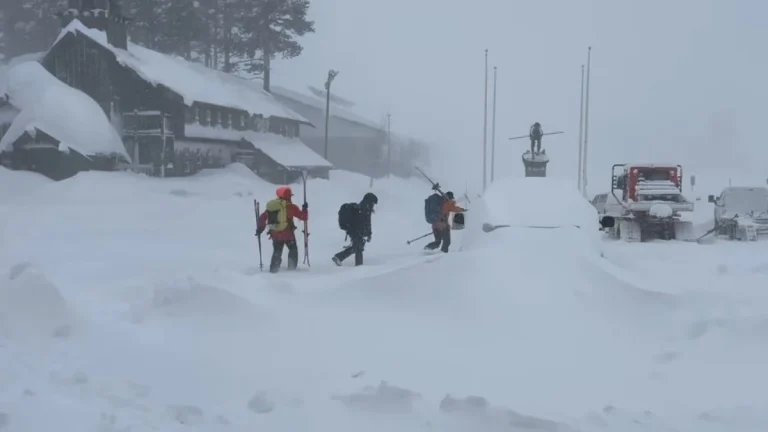
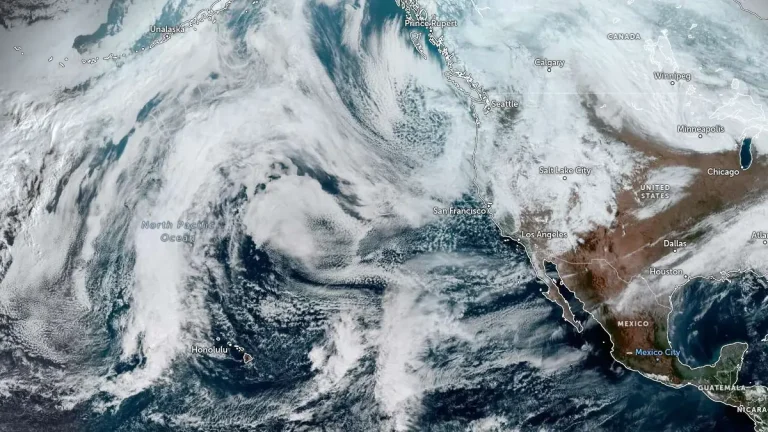
    A slow-moving low-pressure system is forecast to bring long-duration atmospheric river conditions to the U.S. West Coast between Saturday, February 21, and Wednesday, February 25, 2026, delivering heavy precipitation from Washington to California. The strongest impacts are expected across southern Oregon and northern California Coast Ranges and the Klamath Mountains, where 5-10 inches (125-250 mm) of rain is forecast.

  • Enhanced Risk of severe storms with supercells capable of strong tornadoes across southern Illinois and Indiana

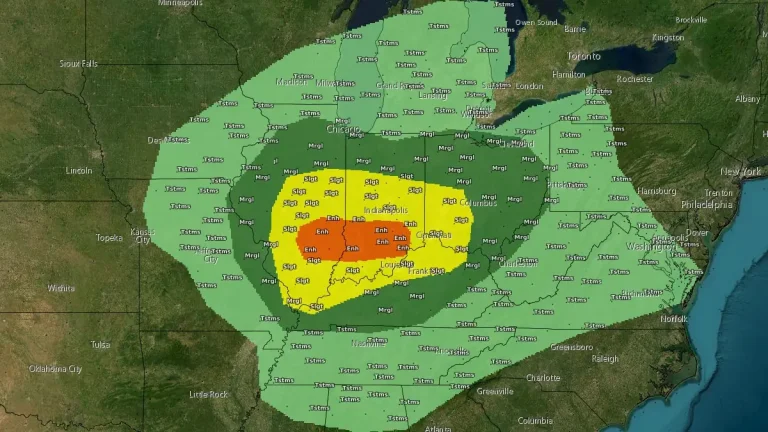
    Severe thunderstorms capable of producing tornadoes, large hail, and damaging wind gusts are forecast across parts of the Midwest and lower Ohio Valley on February 19, 2026, with an Enhanced Risk in place for southern Illinois and southern Indiana. The Storm Prediction Center warns that a few tornadoes may be strong, particularly near and south of the I-70 corridor during the afternoon and early evening.

  • Ranger Road Fire doubles in size in one day, reaching over 114 650 ha (283 000 acres) in Kansas-Oklahoma

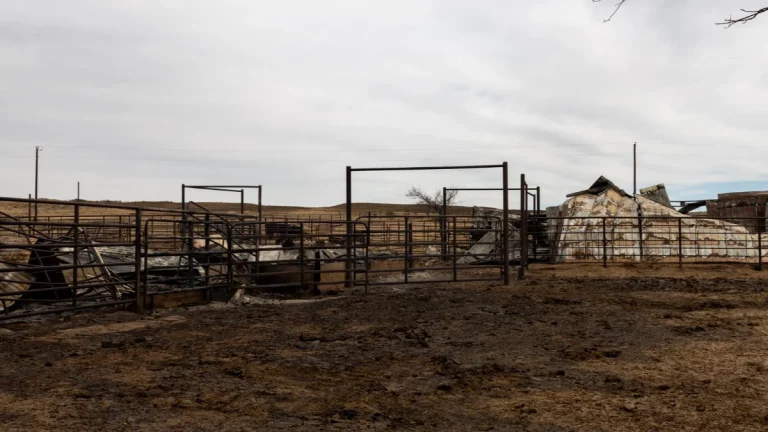
    The Ranger Road Fire nearly doubled in size from 58 700 ha (145 000 acres) to over 114 650 ha (283 000 acres) within roughly 24 hours after ignition at 11:40 LT on February 17, 2026, when it crossed the Kansas–Oklahoma border. As of February 18, containment stood at 15% following rapid expansion driven by dry fuels and high winds. Authorities closed sections of Kansas highways 283, 160, and 183.

  • Atmospheric river forecast to bring another round of heavy precipitation to California

    Atmospheric river associated with a slow-moving low-pressure system is forecast to impact California between February 21 and 26, 2026, bringing another round of heavy precipitation to the state. The Center for Western Weather and Water Extremes (CW3E) indicates very high confidence (>90%) in atmospheric river conditions along northern California through February 23, with moderate-to-high confidence of the AR conditions shifting south along the coast by February 24.