
Shallow M6.1 earthquake hits east of the Kuril Islands
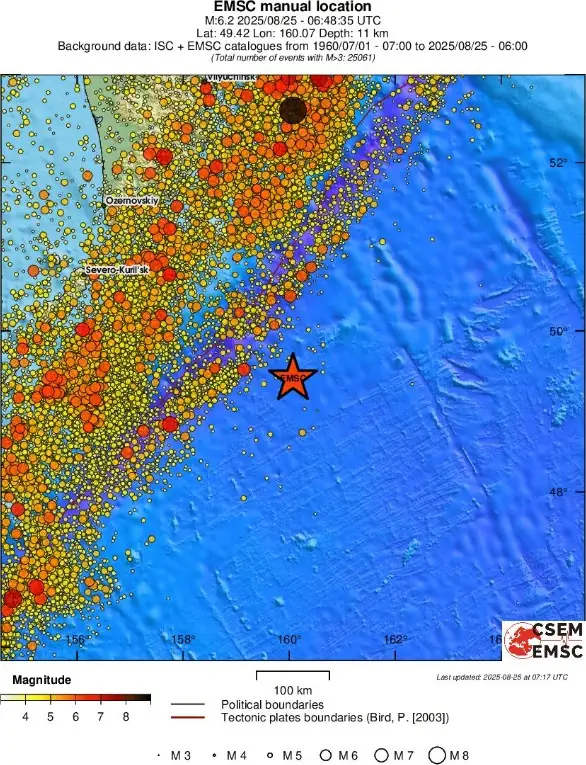
A shallow earthquake registered by the USGS as M6.1 hit east of the Kuril Islands at 06:48 UTC on August 25, 2025. The agency is reporting a depth of 10 km (6.2 miles).
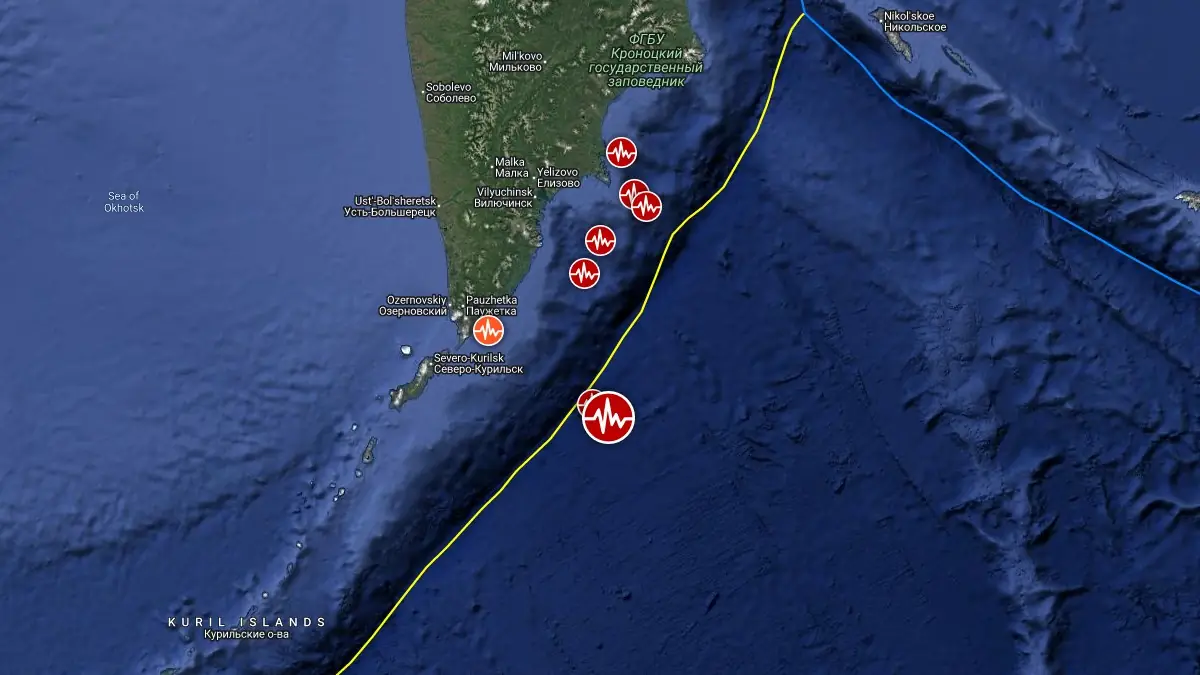
Epicenter of M6.1 earthquake east of the Kuril Islands on August 25, 2025. Credit: TW/SAM, Google
The epicenter was located 313 km (195 miles) ESE of Severo-Kuril’sk and 410 km (255 miles) SSE of Vilyuchinsk, Kamchatka, Russia.
There is no tsunami threat from this earthquake.
The USGS issued a Green alert for shaking-related fatalities and economic losses. There is a low likelihood of casualties and damage.
Overall, the population in this region resides in structures that are resistant to earthquake shaking, though vulnerable structures exist. The predominant vulnerable building types are adobe block and unreinforced brick with mud construction.
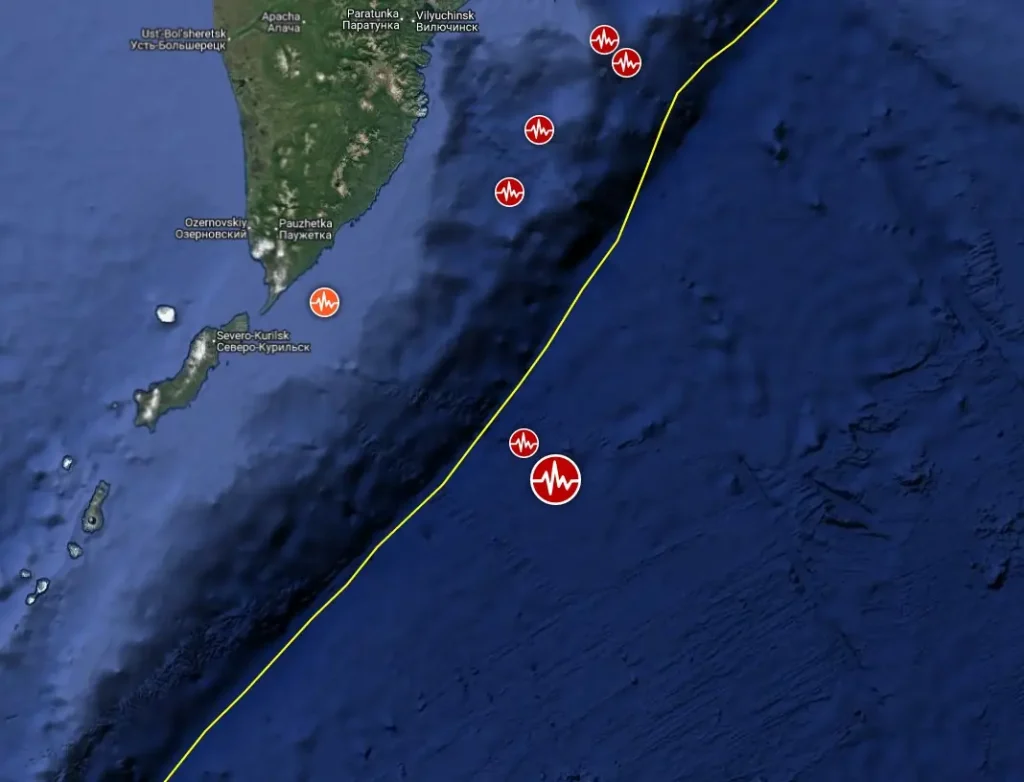
On July 29, 2025, a powerful M8.8 earthquake struck near the coast of Kamchatka, Russia, at a depth of 21 km (13 miles), generating a Pacific-wide tsunami. Waves up to 4 m (13 feet) were recorded in the Kuril Islands, forcing evacuations in coastal regions of Russia, Japan, Hawaii, and other Pacific territories.
The event was the strongest earthquake globally since the 2011 M9.0 Tōhoku earthquake in Japan and the most powerful in Russia since 1952.
Today’s event occurred in the same tectonically active zone.
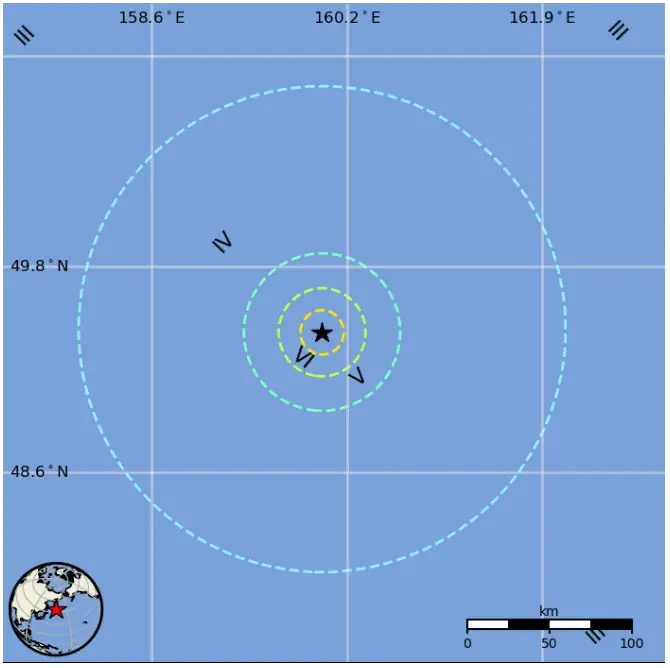
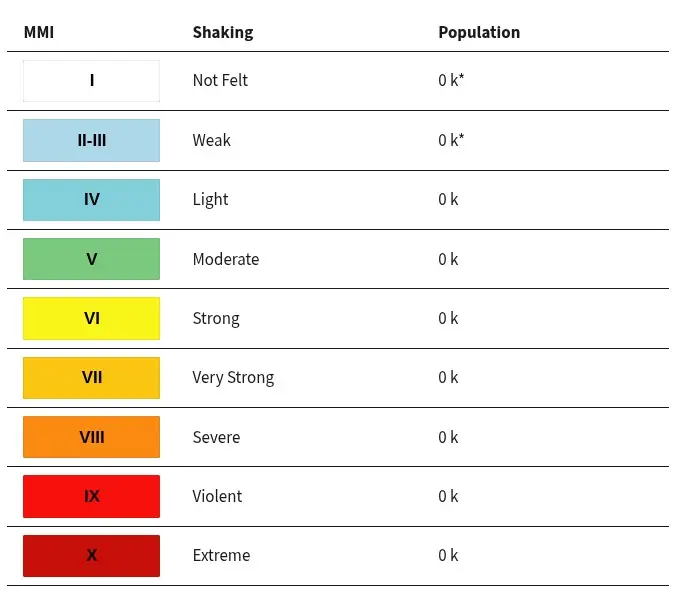
Estimated population exposure to earthquake shaking
Regional seismicity
References:
1 M6.1 earthquake east of Kuril Islands – USGS – August 25, 2025
2 M6.1 earthquake east of Kuril Islands – EMSC – August 25, 2025

Teo Blašković founded The Watchers in 2011 and edited it until 2026, covering seismic and volcanic activity, extreme weather, space weather and near-Earth objects. Articles on this page are his archive.
Published in the last 24 hours
- A fog linked to about 12 000 excess deaths in London in 1952 puzzled scientists for decades, until researchers reconstructed how coal smoke formed acidic haze Epicenter
- In 2012, cameras filming a thunderstorm in western China caught ball lightning by accident, and its 1.64-second glow carried iron, silicon, and calcium from the soil it rose out of Epicenter
- Strong El Niño reinforces above-normal winter precipitation outlook across southern and eastern U.S.
