
Ceres: an electrically scarred world
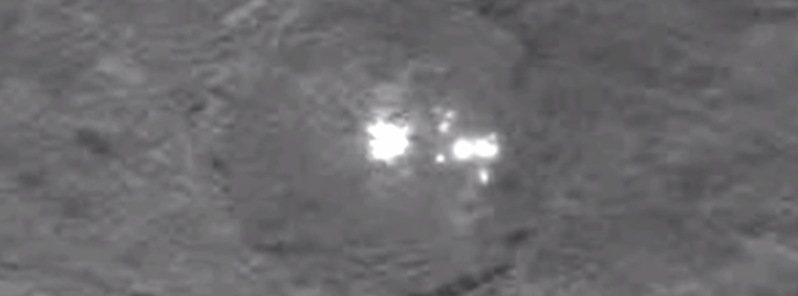
Image credit: NASA
In April of 2015, the NASA Dawn Spacecraft began transmitting new, close-up images of the mysterious dwarf planet Ceres. The images to date have only deepened the mystery surrounding the puzzling bright spots on the planet’s surface.
However, in addition to this ongoing puzzle, questions remain about Ceres that planetary scientists seem unready to ask. The surface of Ceres is massively cratered, with a variety of types of craters, including so-called bulls-eye craters (craters with central craters), craters with central peaks, and weird hexagonal craters, such as those seen on Mars, Mercury, and the Saturnian moon Mimas.
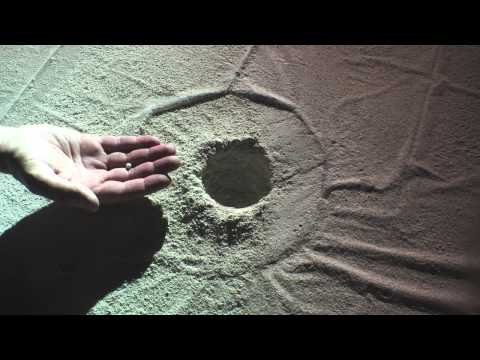
Dawn’s exploration of Ceres is a startling reminder of just how inadequately the modern theory of planetary cratering explains what we actually see on planets and moons.
Previous Space News on Ceres: https://www.youtube.com/watch?v=E2rf4…
Billy Yelverton's YouTube channel: https://www.youtube.com/mr2tuff2
NASA's official Dawn Twitter feed: https://twitter.com/nasa_dawn
Video courtesy: The Thunderbolts Project

The Watchers team and our contributors bring the latest on extreme weather, earthquakes, volcanic eruptions, space weather, and all things science. We're all about making sense of the natural world and keeping you informed on what’s happening. Got a tip or a question? Hit us up using the form at newstips!
Published in the last 24 hours
- High Risk of excessive rainfall covers Florida’s Space Coast as St. Johns River near Cocoa reaches 5.67 m
- Asteroid 2026 WJ to pass Earth at 1.7 lunar distances at 04:20 UTC on November 22, with 2026 WD following at 4.4 lunar distances on November 23
- Cyclone Akvan crossed the north Andhra Pradesh and south Odisha coasts close to Gopalpur on November 20 with 70-80 km/h winds gusting to 90, and has weakened into a deep depression
- A broad low over southeastern Florida and the northwestern Bahamas has a 30 percent chance of subtropical or tropical development within 48 hours and a 50 percent chance within 7 days, the National Hurricane Center says
