• Triple conjunction in the sunset sky on May 26, 2013

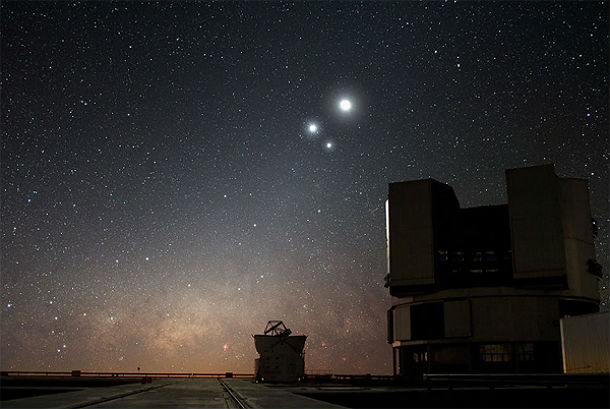
    The three brightest planets in this month's night sky are lining up for a remarkable sunset conjunction at the end of May. 

    On May 26, 2013, in a triple conjunction, Venus, Jupiter and Mercury will form a tight triangle only three degrees

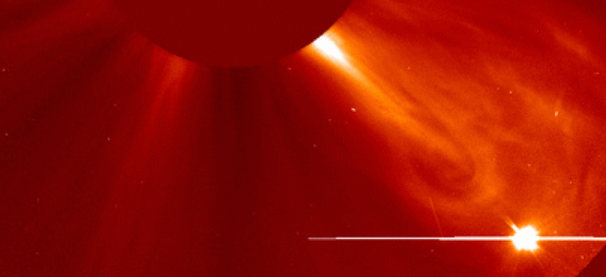
  • Venus, Mars and Uranus seen by SOHO’s coronograph

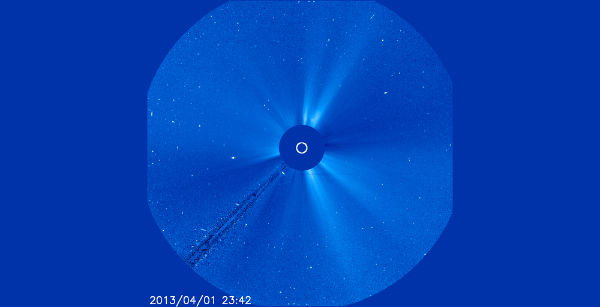
    NASA/ESA’s SOHO images are revealing a sight no one else gets to see: Venus, Mars and Uranus are all crowding into the same picture with the Sun. From our perspective on Earth, it is happening in the daylight sky very close to the glaring Sun. Using a disk to block

  • Farside active region shoots bright CME toward Venus

    An active region in the Sun’s far-southern hemisphere erupted on March 23, 2013 around 13:00 UTC hurling bright Coronal Mass Ejection (CME) toward the Venus. A glancing impact is expected on March 25th. Venus has no global magnetic field to protect it from CME’s so the

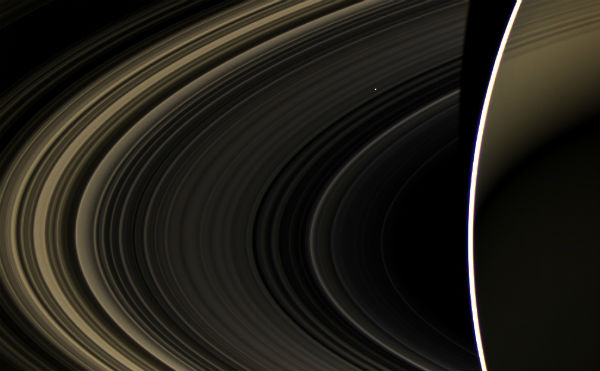
  • Stunning views of Venus through Saturn’s rings

    The international Cassini spacecraft took amazing images of Venus shining through Saturn’s rings. Venus and Saturn are about 1,321,200,000 km (820,955,619 miles or 8.83 astronomical units) apart on average. Venus is brighter in Saturn’s skies than Earth is,

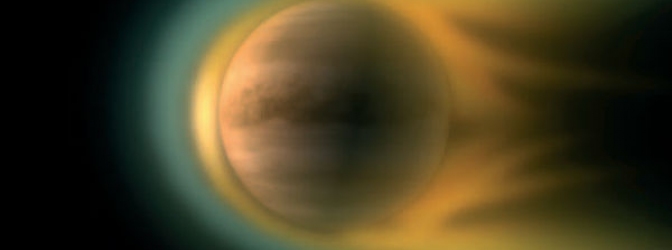
  • Venus Express reveals new facts about Venus’ ionosphere

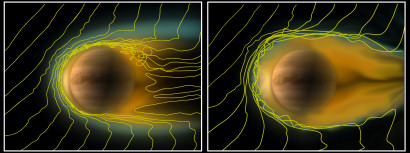
    On January 29, 2013, ESA revealed observations made by the spacecraft in August 2010, when it studied the effect of reduced solar wind on planet's ionosphere. Researchers found that planet’s ionosphere ballooned outward on the planet’s…

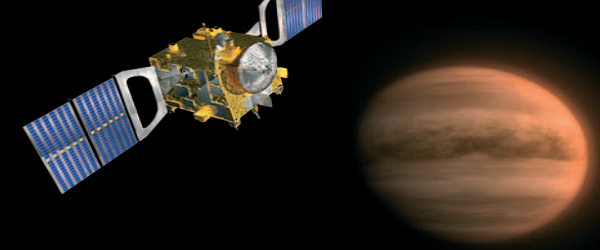
  • A day in the life of Venus

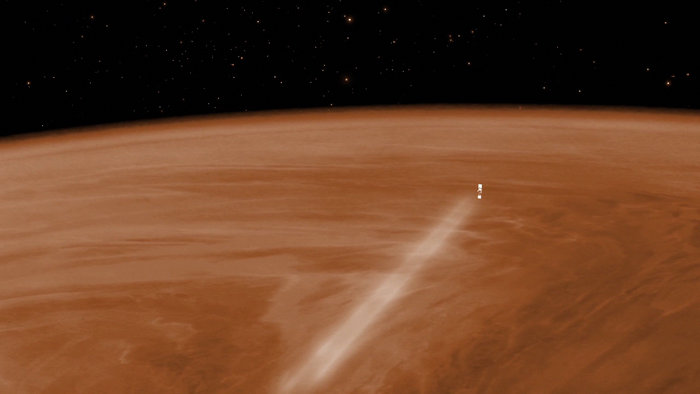
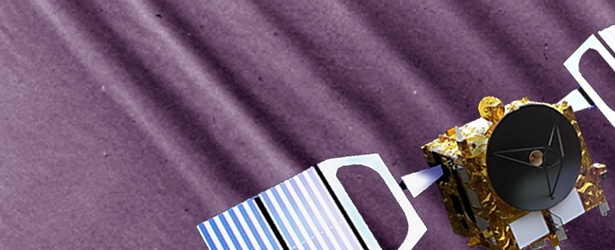
    ESA’s Venus Express spacecraft orbited at 66 000 km above the Venus south pole and captured bright and dark cloud bands wind around the poles of Venus, staring down into the south polar vortex. Venus Express has been orbiting the planet since 2006. It carries seven

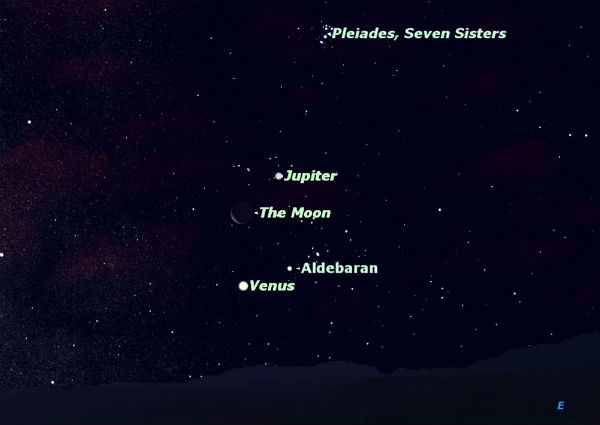
  • Moon, Venus and Jupiter sky show in early morning sky

    Venus, Jupiter and the moon will gather together in the early morning sky Sunday (July 15). Set your alarm clock for around 4:30 a.m. local time on Sunday and watch east-northeast sky. The crescent moon, just 13%i lluminated, appears in close proximity to the two