• Multi-state Red Flag Warnings issued as strong winds and very low humidity raise wildfire danger across the central U.S.

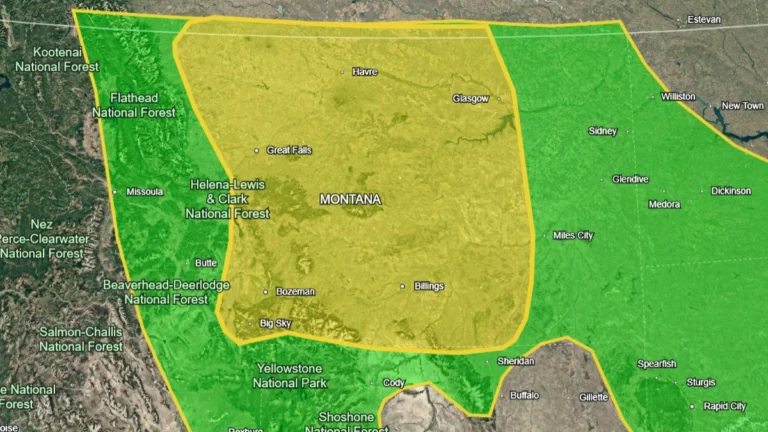
    Red Flag Warnings are in effect across a broad swath of the Plains, Rockies, and parts of the Upper Midwest on Wednesday, April 22, 2026, as strong winds, very low relative humidity, and dry fuels create critical fire weather conditions. The National Weather Service warns that any fires that start could spread quickly and be hard to control. In some areas, isolated dry thunderstorms may produce lightning with little or no rain, increasing the risk of new fires.

  • Pineland Road Fire explodes to over 6 000 ha (16 000 acres) as over 100 fires burn across Georgia

    Wildfires driven by drought conditions spread across Georgia, United States, with at least 112 active fires burning approximately 9 164 ha (22 643 acres) as of April 22. The largest blaze, the Pineland Road Fire in Clinch County, reached 6 686 ha (16 516 acres) with 10% containment, while multiple fires continued to expand under dry and windy conditions.

  • Damaging ice shoves push into homes in Cheboygan County, Michigan

    Wind-driven ice shoves struck multiple lakes in Cheboygan County, Michigan, during an ongoing flooding event in April 2026, pushing onshore and into residential structures. The event is unfolding as elevated water levels from snowmelt and recent rainfall continue to drive flooding and evacuations across northern Michigan.

  • Wildfires disrupt Amtrak rail services and strand passengers in Florida

    Amtrak partially suspended rail operations in Florida on April 20, 2026, due to wildfires in Putnam and Clay counties, which have burned approximately 1 093 – 1 214 ha (2 700 – 3 000 acres). Passenger trains were halted as a precaution, including Train 98 from Miami to Jacksonville carrying 232 passengers.

  • Heavy mountain snow and strong winds forecast across Sierra Nevada, California

    Heavy snow and strong winds are forecast to impact the Sierra Nevada, California, from April 21 to April 22, 2026, as a Pacific storm system moves inland, bringing significant snowfall to elevations above 2 100 m (7 000 feet). Authorities warn that travel through major mountain passes could become very difficult to impossible due to snow-covered roads and reduced visibility.

  • EF-3 tornado confirmed near Cream, Wisconsin during April 17, 2026 outbreak; NWS La Crosse issues record 26 warnings

    A tornado outbreak struck the Upper Midwest on April 17, 2026, producing multiple EF-2 and EF-3 tornadoes across southeast Minnesota and western Wisconsin, damaging more than 100 homes and injuring at least two people. The strongest tornado, rated EF-3, caused severe structural damage along its path, while the National Weather Service La Crosse office issued a record 26 tornado warnings during the event.

  • Leak surge and pipe failures detected following earthquakes in San Ramon Valley, California

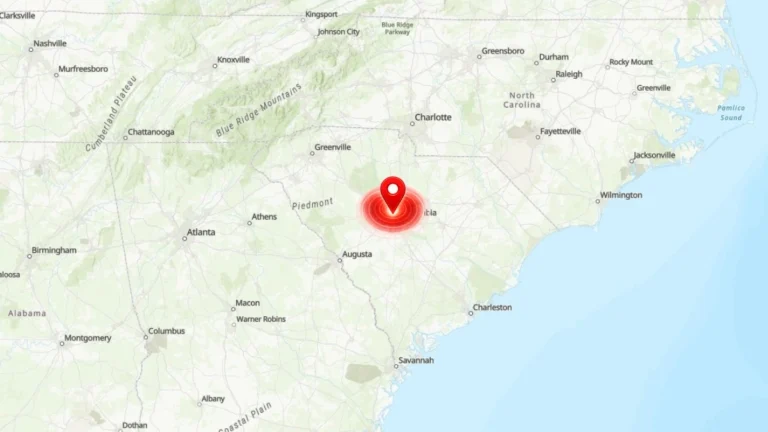
    A cluster of underground pipe failures has been detected in San Ramon and surrounding East Bay communities, California, following a sequence of earthquake swarms active in the area since 2025. The incidents include fractured water and sewer lines, often identified only after prolonged leakage periods and abnormal water usage. Experts consider ground movement associated with recent seismic activity as a possible contributing factor, although causation has not been confirmed.

  • Tornadoes damage homes and infrastructure across multiple Midwest states on April 17

    A severe weather outbreak produced multiple tornadoes across the Midwestern United States on April 17, 2026, resulting in structural damage to residential buildings and infrastructure in several states. Preliminary National Weather Service data indicates more than 20 tornado reports, with impacts concentrated in Wisconsin, Illinois, and Minnesota and extending into Missouri, and at least one reported injury.