• Geomagnetic storm in progress

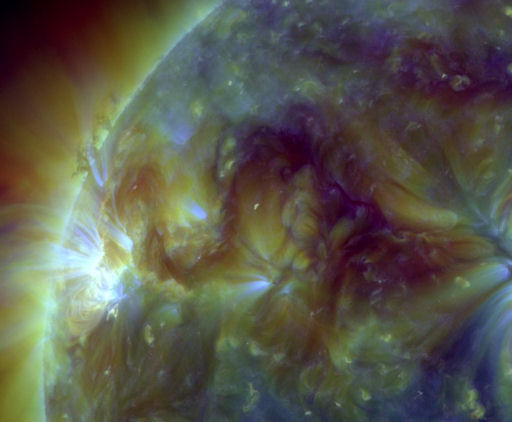
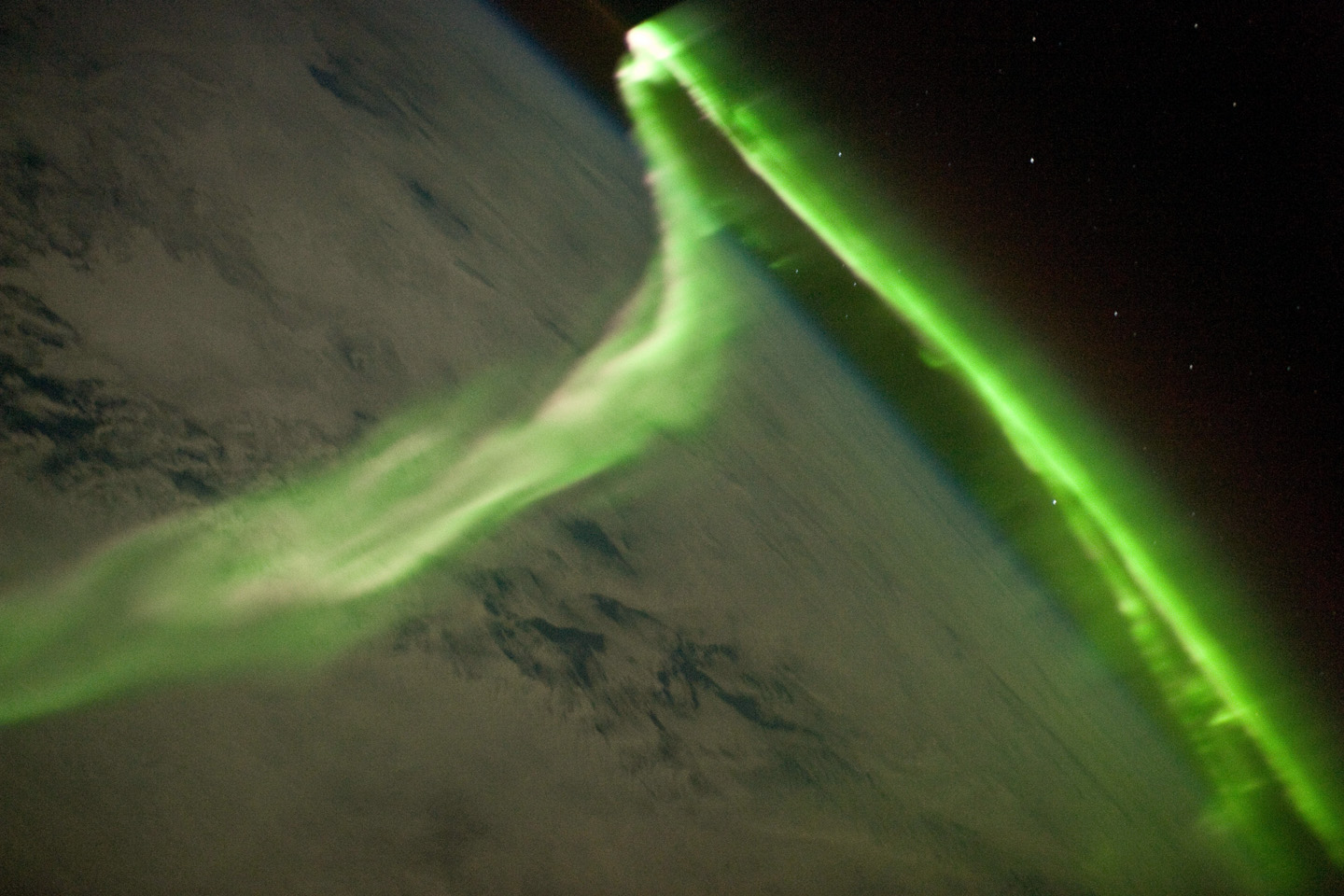
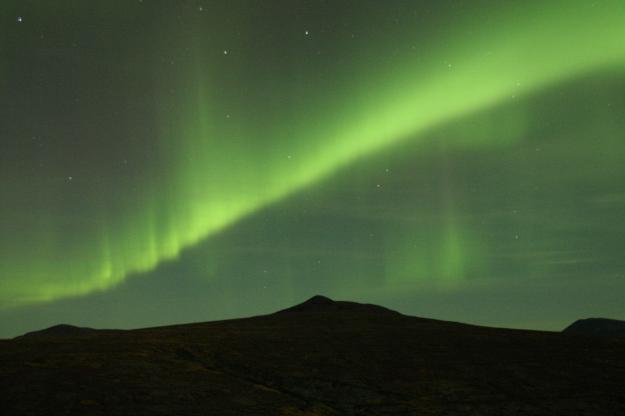
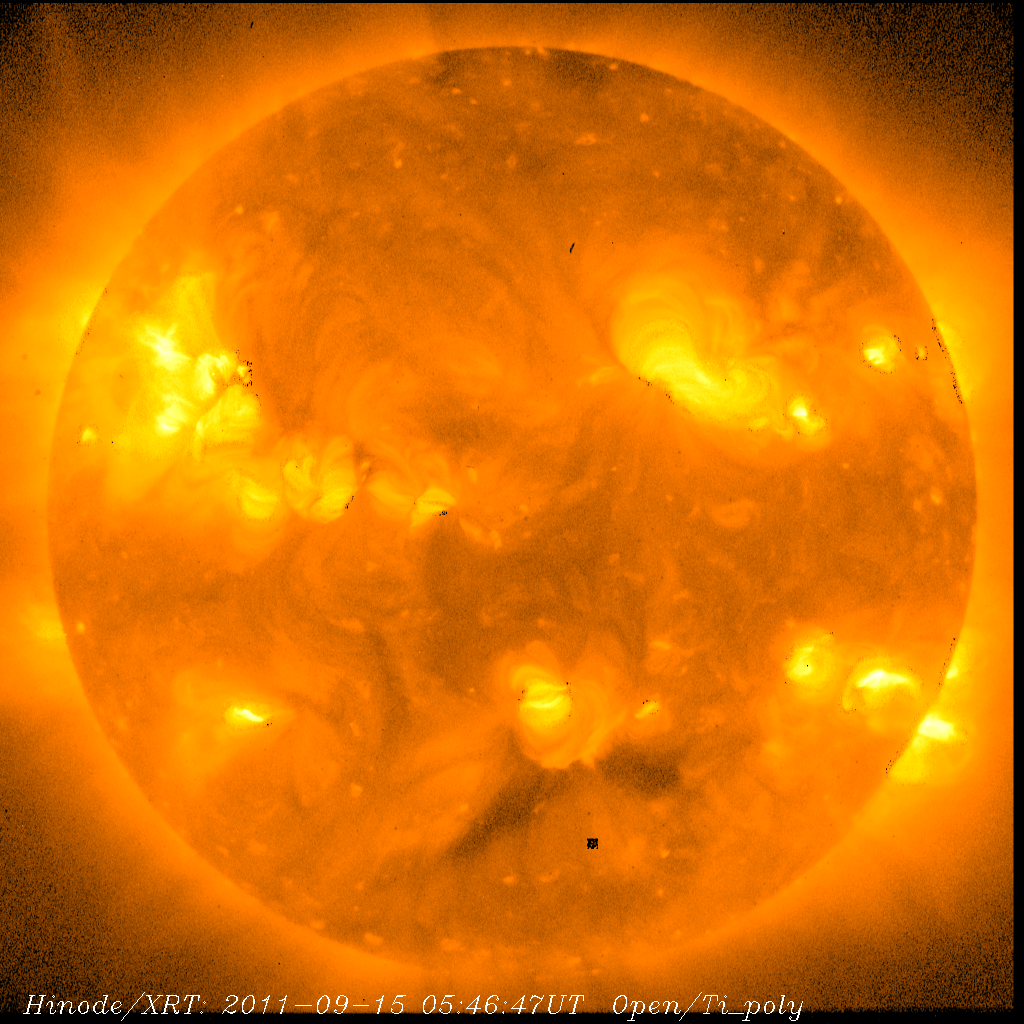
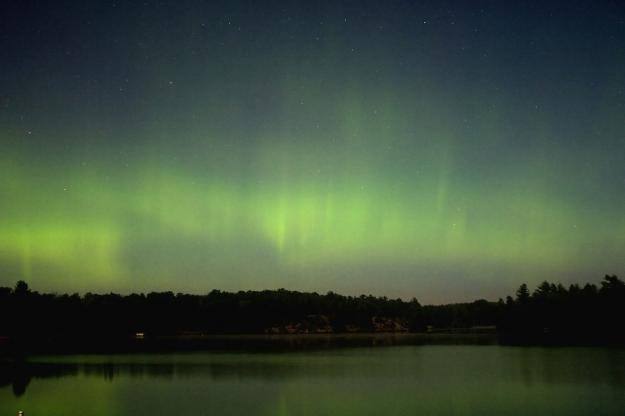
    As predicted by analysts at the Goddard Space Weather Lab, a coronal mass ejection (CME) hit Earth's magnetic field at ~03:30 UT on Sept 17th. The impact sparked a moderate geomagnetic storm (in progress) and auroras around the Arctic Circle. High-latitude sky watch
  • Incoming coronal mass ejection

    As predicted by analysts at the Goddard Space Weather Lab, a coronal mass ejection (CME) hit Earth’s magnetic field at ~03:30 UT on Sept 17th. The impact was not strong. Nevertheless, the arrival of the CME could spark geomagnetic activity around the Arctic Circle.

  • Geomagnetic storm continues

    New sunspot AR1295 is emerging over the sun’s northeastern limb and crackling with solar flares. The strongest so far, a C9.9-category blast, did something remarkable. Click on the arrow to watch an extreme ultraviolet movie from NASA’s Solar Dynamics

  • Active sunspot 1263 has left the Earthside of the sun

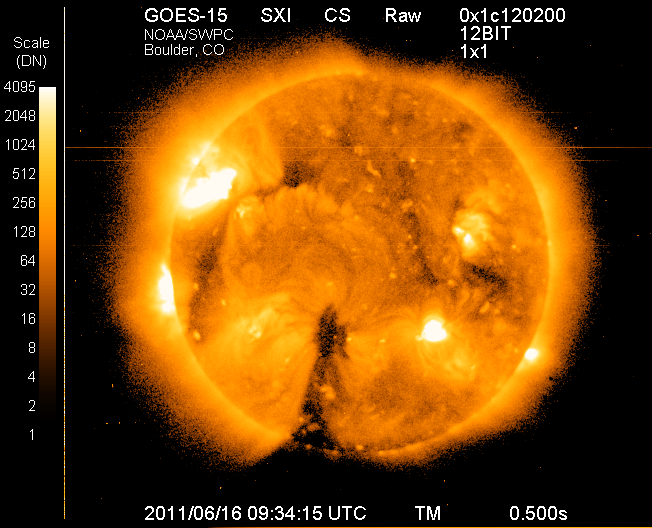
    Active sunspot 1263, which just two days ago produced the most powerful solar flare of the new Solar Cycle (an X7), has left the Earthside of the sun. It is now beginning a two week transit across the solar farside. We can still see signs of its ongoing activity,

  • Behemoth sunspot 1263 has almost doubled in size

    Behemoth sunspot 1263 has almost doubled in size this weekend. A 28-hour movie from NASA's Solar Dynamics Observatory shows the spot developing a tail that has added some 50,000 km of length to the active region.This development may increase the likelihood of a stro

  • M1.4 Earth-directed solar flare took place

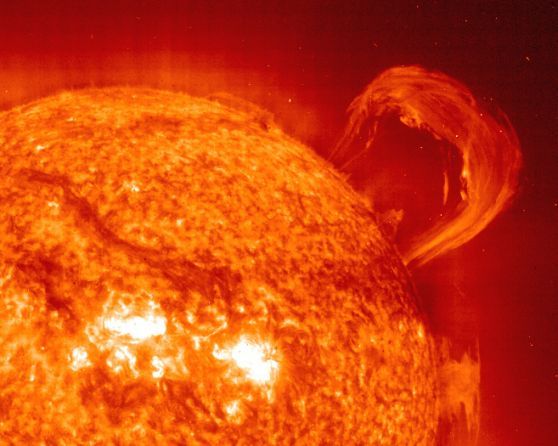
    Magnetic fields above sunspot 1261 erupted this morning at 0648 UT, producing an M1-class solar flare. The blast also hurled a bright coronal mass ejection toward Earth. This movie from the STEREO-Ahead spacecraft shows the cloud racing away from the sun at almost

  • Geomagnetic storm in progress!

    Geomagnetic K-index of 5 alert is issued by Space Weather Prediction Center. Kp-indices of 5 or greater indicate storm-level geomagnetic activity. Geomagnetic storms have been associated with satellite surface charging and increased atmospheric drag.Speed of solar

  • Incoming Coronal Mass Ejection (CME)

    During the early hours of July 9th, a Coronal Mass Ejection (CME) billowed away from new sunspot 1247. A preliminary analysis of data from NASA's twin STEREO-A and -B spacecraft suggests that the flank of the CME could hit Earth's magnetic field sometime on July