• Antarctic sea ice grows to all-time record high

    While we are seeing decline of Arctic sea ice, Antarctic sea ice hit its annual winter maximum on September 22, 2014 reaching a record area of 20.11 million square kilometers (7.76 million square miles). The National Snow and Ice Data Center (NSIDC) announced on
  • WMO dubbed last year as disturbing sign of climate change

    The World Meteorological Organisation revealed in Statement on the Status of the Global Climate, that during the August to September 2012 melting season, the Arctic’s sea ice cover was just 3.4 million square kilometres (1.32 million square miles). That

  • IceBridge: Keeping a close eye on Jakobshavn glacier

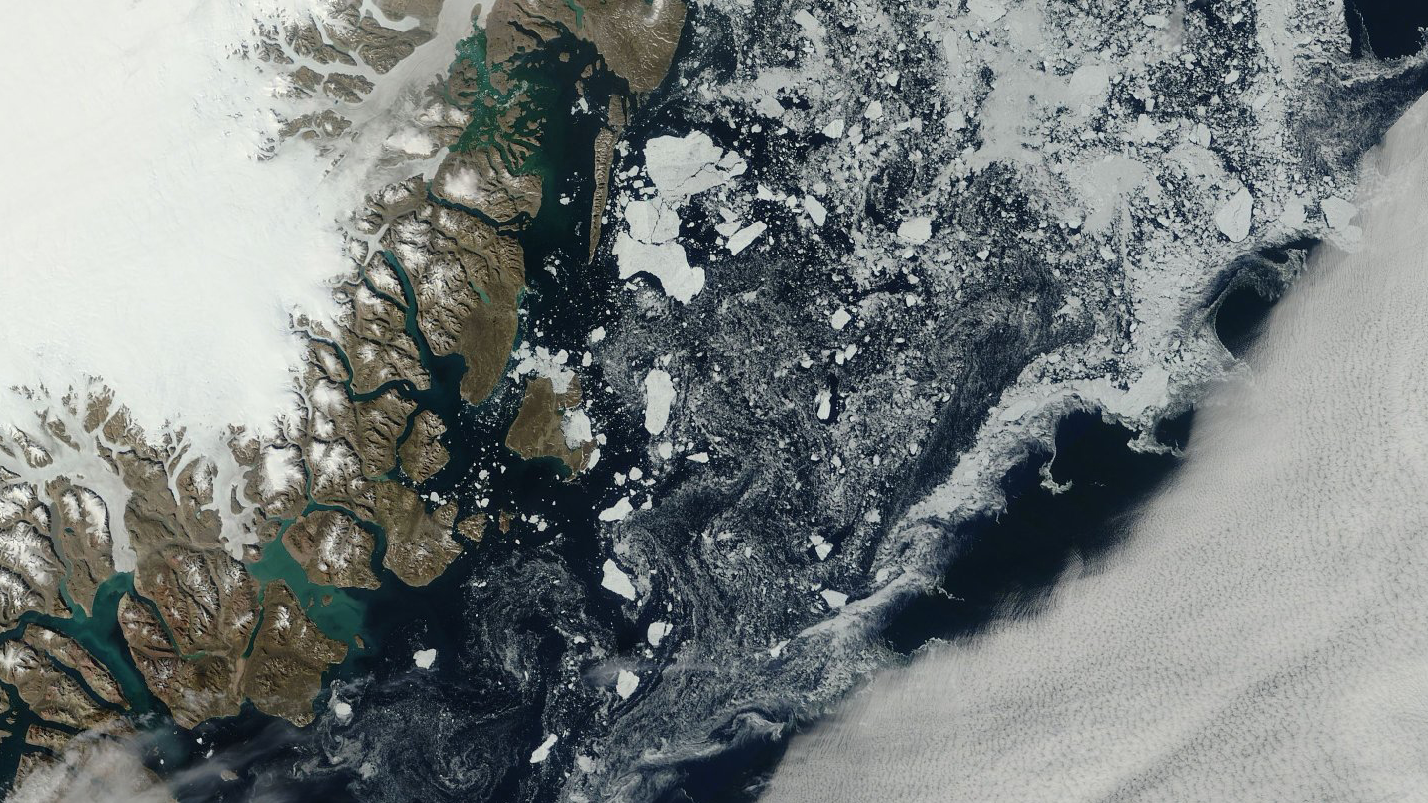
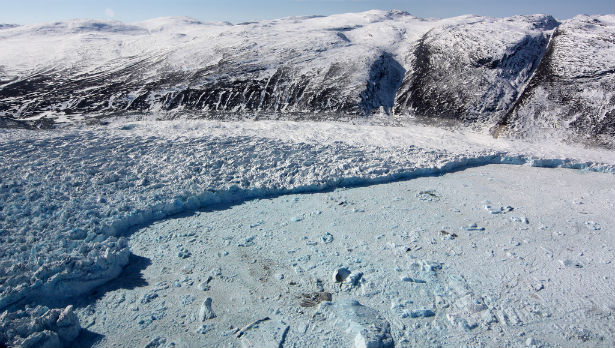
    Jakobshavn Glacier, one of the fastest moving glaciers in Greenland, has been the focus of IceBridge survey flights for five consecutive years. Here, images from an IceBridge mission on April 4, 2013 and video footage from the 2012 Arctic campaign show this rapidly

  • Beginning of Arctic sea ice melting season

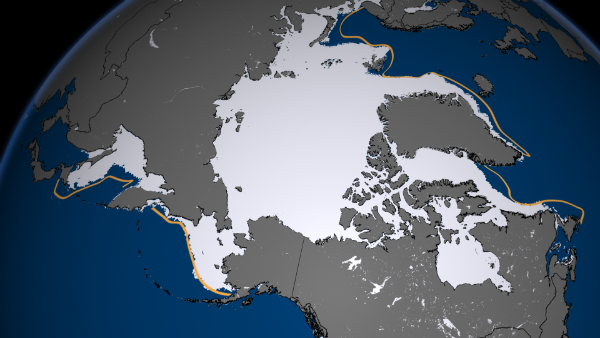
    The average extent of sea ice in the Arctic has begun shrinking and will probably reach its minimum extent sometime in mid-September. Arctic sea ice reached this year’s maximum extent on March 15 at 15.13 million square kilometers (5.84 million square

  • State of global temperatures in 2012

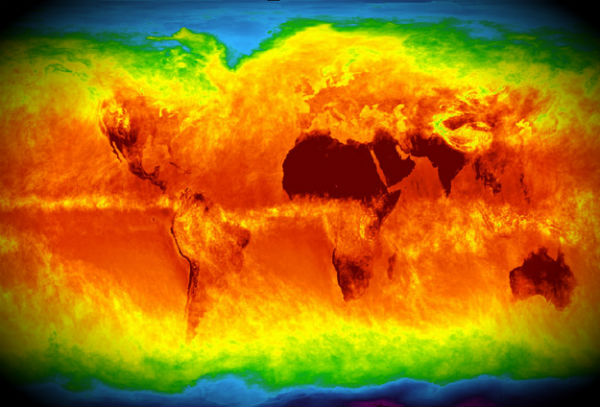
    According to the World Meteorological Organization, the first ten months of 2012 indicate that it will most likely be the ninth warmest on record (since records began in 1850), despite the cooling influence of La Niña early in the year. The presence of a La Niña

  • ESA satellites observing sea ice

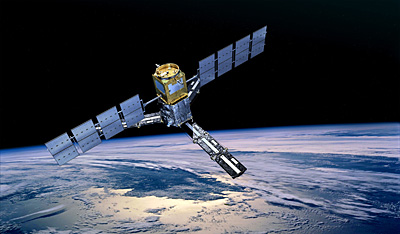
    As reported earlier this year, Arctic sea ice is thawing at an unprecedented rate. News is perturbing, provided that heat exchange between sea and atmosphere is largely influenced by sea ice. Thermal flux, the rate at which heat energy transfers, can change

  • Arctic sea ice shrinks to smallest extent ever recorded

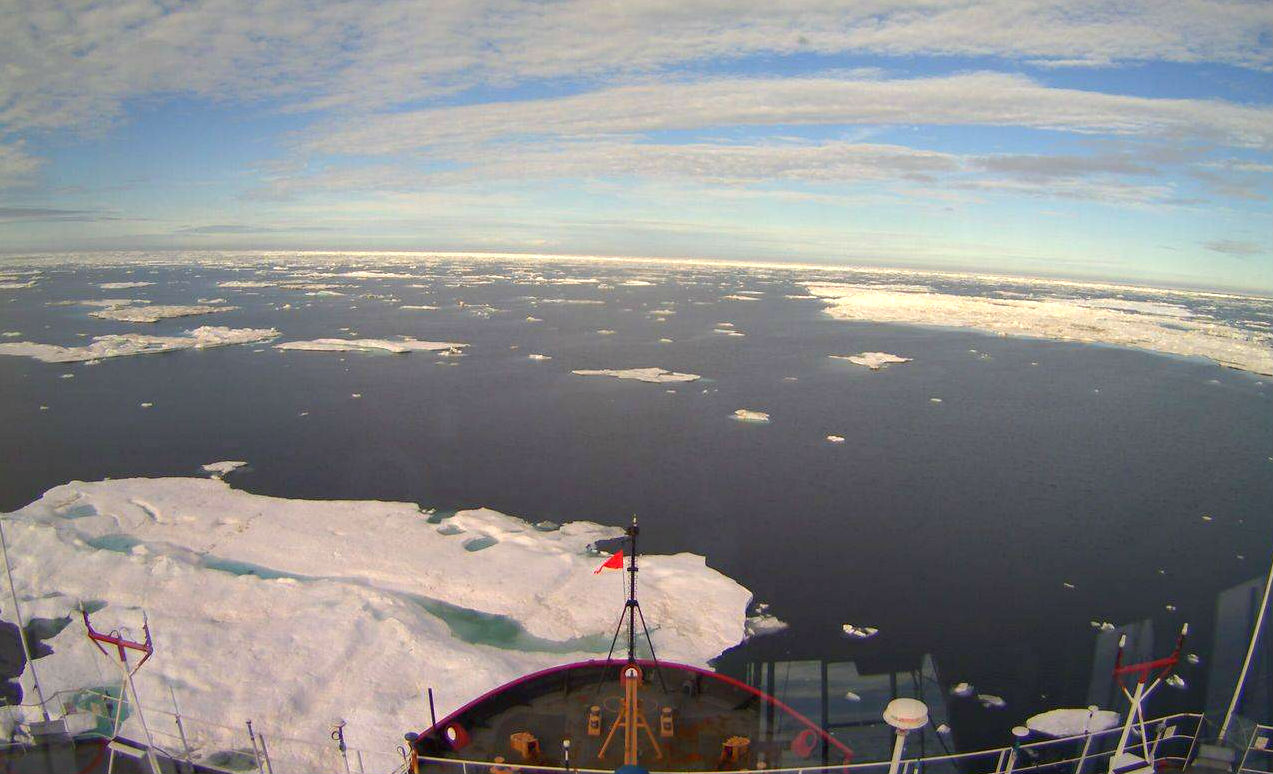
    Rate of summer ice melt smashes two previous record lows and prompts warnings of accelerated climate change. Arctic sea ice cover likely melted to its minimum extent for the year on September 16, according to scientists at the National Snow and Ice Data Center

  • Arctic sea ice at lowest level on record

    The amount of sea ice in the Arctic has fallen to the lowest level on record. On August 27, Arctic sea ice was at 4.10 million square kilometers (1.58 million square miles), or about 30 % of the Arctic Ocean’s surface according to the National Snow and Ice Data

  • Rapid ice melt opens Arctic’s Northwest Passage

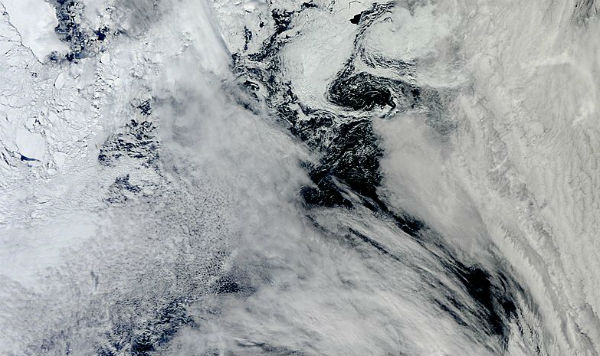
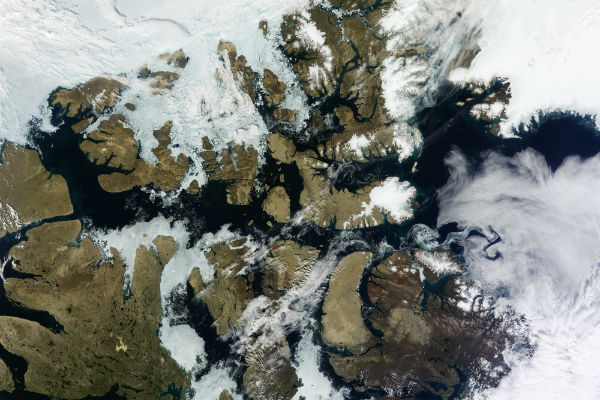
    Ice retreated rapidly in the Parry Channel between mid-July and early August 2012. Parry Channel is a part of elusive Northwest Passage. The loss of Arctic sea ice is predicted to open up the Northwest Passage, shortening shipping routes and facilitating the exchange