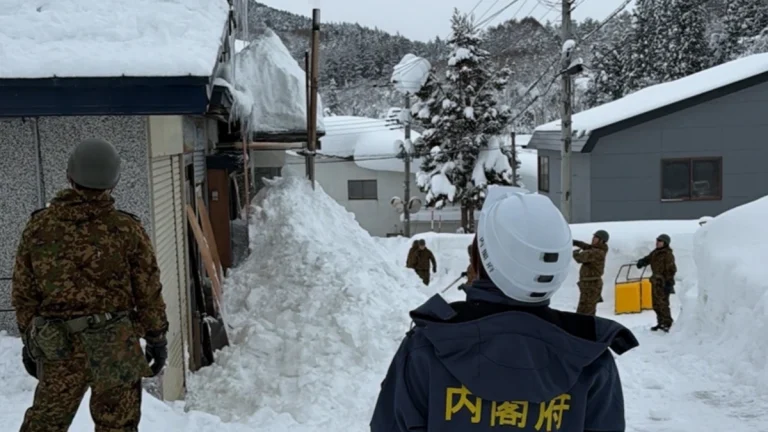
Record snow, winds, and blizzards leave over 35 000 homes without power in Hokkaido
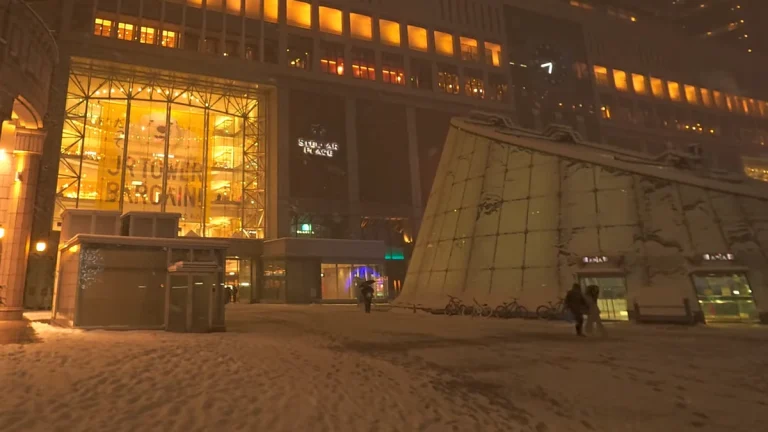
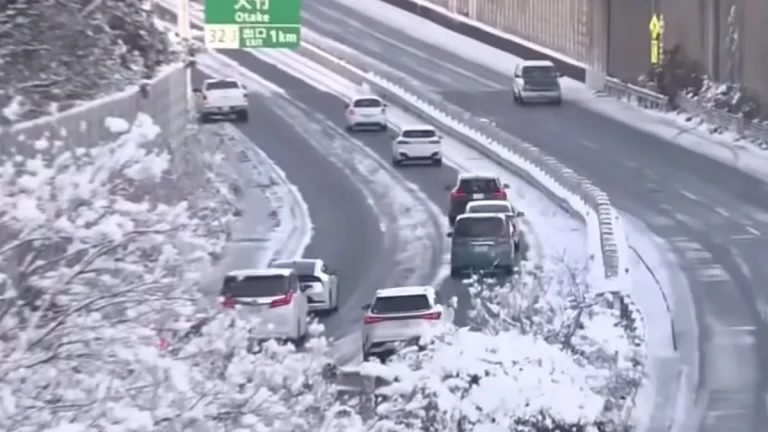
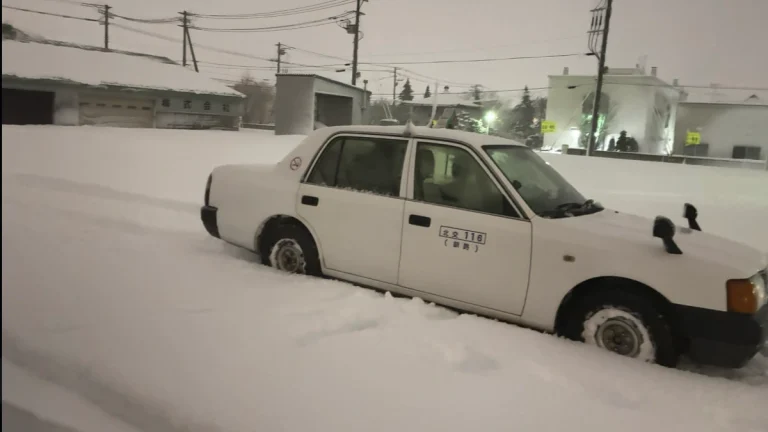
Record snow and winds struck Hokkaido, Japan, overnight December 14–15, 2025, and left tens of thousands without power.

Record snow and winds struck Hokkaido, Japan, overnight December 14–15, 2025, and left tens of thousands without power.

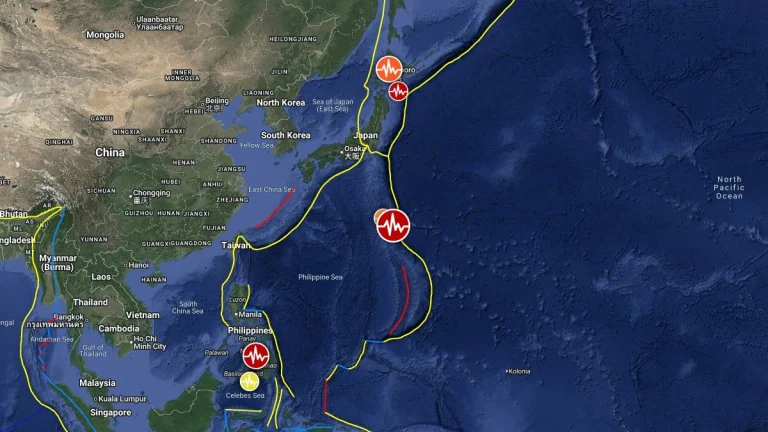
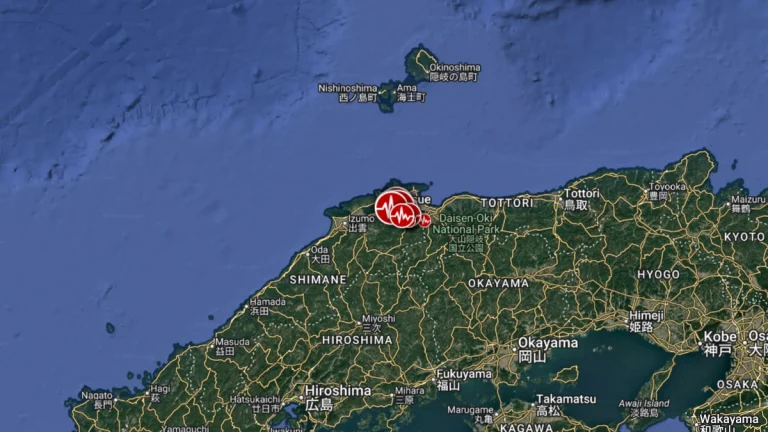
A strong and shallow earthquake registered by the Japan Meteorological Agency (JMA) as M6.7 hit off the coast of Honshu, Japan, at 02:44 UTC (11:44 JST) on December 12, 2025. USGS is reporting M6.7 at a depth of 20 km (12.4 miles).

At least 23 people have been reported injured due to the major M7.6 earthquake that struck Japan on December 8, 2025, prompting over 90 000 evacuations and alert for a potential mega quake.

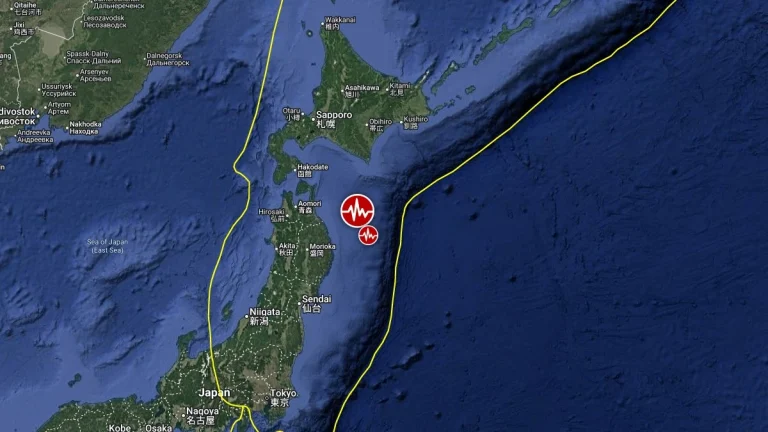
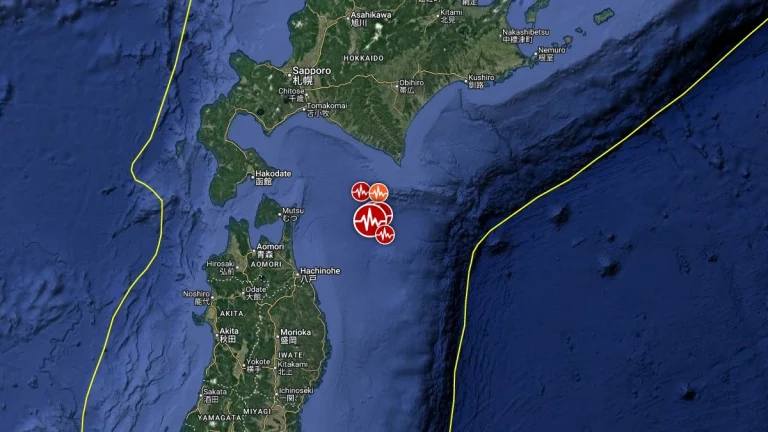
A major earthquake registered by the Japan Meteorological Agency (JMA) and USGS as M7.6 struck off the east coast of Aomori Prefecture, Japan, at 14:15 UTC (23:15 JST) on December 8, 2025. Both agencies are reporting a depth of 50 km (31 miles). According to the Pacific Tsunami Warning Center (PTWC), hazardous tsunami waves are possible within 1 000 km (620 miles) of the epicenter.

Multiple explosive eruptions at Sakurajima’s Minamidake crater in Kagoshima, Japan, on November 16, 2025, sent ash to about 4 400 m (14 400 feet) above sea level, prompting ashfall forecasts and flight cancellations at Kagoshima Airport.

A strong and shallow earthquake registered by the USGS as M6.8 hit off the east coast of Honshu, Japan at 08:03 UTC (17:03 local time) on November 9, 2025. The agency is reporting a depth of 10 km (6.2 miles). The Japan Meteorological Agency (JMA) reported it as M6.7 at a depth of 10 km, while the European-Mediterranean Seismological Centre (EMSC) reported M6.8 at a depth of 5 km (3.1 miles).

At least one person was reported dead as Typhoon Halong passed near Japan’s Izu Islands on Thursday, October 9, 2025. The typhoon brought record-breaking rainfall and strong winds across the islands, prompting multiple alerts from authorities.

A strong earthquake registered by the USGS as M6.0 hit near the east coast of Honshu, Japan, at 15:21 UTC on October 4, 2025 (00:21 LT, October 5). The agency is reporting a depth of 46.8 km (29 miles). EMSC is reporting M6.0 at a depth of 47 km.

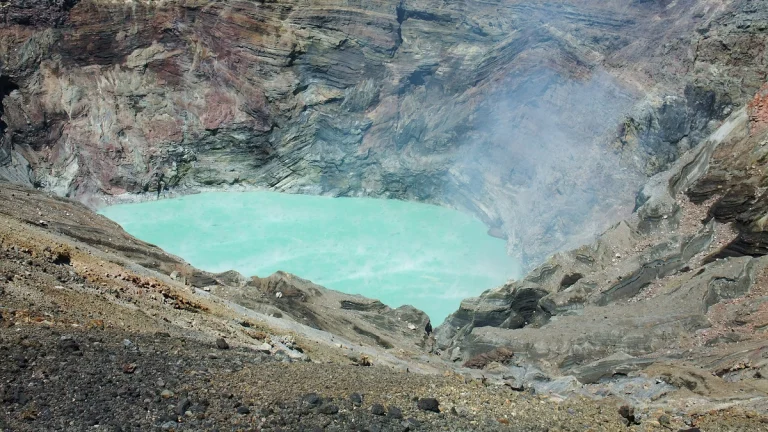
The Japan Meteorological Agency (JMA) raised the Alert Level for Meakandake volcano in Hokkaido, Japan, from 1 to 2 at 06:20 UTC (15:20 JST) on September 15, 2025, after an increase in seismicity near Ponmachineshiri Crater. From September 16 to 23, eruptive activity continued with 27–50 daily volcanic earthquakes, minor ashfall, and white steam-and-gas plumes rising 200–800 m (656–2 625 feet) above the crater rim. Access within 500 m (1 640 feet) of the crater remains restricted, affecting parts of Kushiro City and Ashoro Town.

At least 1 person died while another was injured as record rainfall triggered severe flooding across Tokyo and the Kanto region, Japan on September 11, 2025. Evacuation orders were issued as the over 6 000 homes had their power knocked by the storm, as transport disruptions affected over 100 000 people.