• Delhi experiences coldest May in 36 years, India

    Delhi recorded its coolest May in 36 years, with an average maximum temperature of 36.8°C (98.24°F) and a record-breaking rainfall of 111 mm (4.37 inches), according to the India Meteorological Department (IMD).

  • Asia experiences unprecedented April heatwave

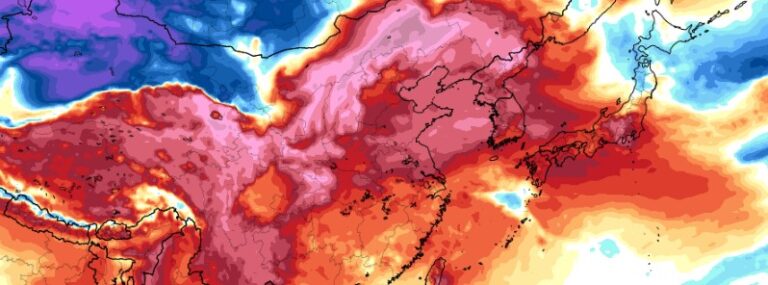
    Asia is experiencing a record-breaking April heatwave this year, causing numerous fatalities and shattering temperature records across several countries. In most of Asia, the heat in March and April has been unprecedented.

  • Tourists defy weather warnings, resulting in deadly avalanche in Northeast India

    At least seven tourists have died, 20 were injured and many others were trapped after a major avalanche struck near a mountain pass in the northeast Indian state of Sikkim at 06:00 UTC on April 4, 2023. The incident occurred near the Nathu La mountain pass, a popular tourist destination on India’s border with China. This is the road that connects Gangtok to the Nathu La Pass and the nearby Changu Lake – another major tourist attraction.

  • Unseasonal rains and hailstorms threaten wheat harvest in India

    Unseasonal rains, hailstorms, and strong winds damaged more than 523 000 ha (1 292 332 acres) of wheat crop in three Indian states, causing harvesting challenges and fears of significant yield losses. The untimely rains have also affected mustard, channa, barley, and vegetable crops, among others.

  • Unseasonal rain and hailstorm cause significant crop loss in Prayagraj, Uttar Pradesh

    Prayagraj District, the most populous district in the Uttar Pradesh state of India, has been hit by heavy unseasonal rain and hailstorm that devastated the farming community on March 19 and again on March 21, 2023. The natural calamity has caused extensive damage to crops of over 10 030 farmers in the region.

  • Construction works blamed for mysterious mudflow in the middle of Surat, India

    Residents in Surat, India were caught off guard after what appears to be a mud volcano suddenly erupted in the middle of their city. Social media is awash with videos and images of mud covering streets in the Kapodra neighborhood, which reached depths of approximately 10 cm (4 inches) in some areas. The ongoing metro construction work in the region is thought to have triggered the event.